The NFL Draft Order Will Save Fernando Mendoza Millions In State Taxes
Companies Mentioned


Why It Matters
Draft positioning now influences a rookie’s take‑home pay, creating a financial edge for teams in low‑tax states and reshaping player valuation across the league.
Key Takeaways
- •Raiders' top pick gives Mendoza zero state income tax in Nevada.
- •Choosing a low‑tax team adds over $5 million after‑tax earnings.
- •Jock Tax varies up to 10% between states, impacting player net pay.
- •High‑tax markets like California reduce players' effective salary despite cap parity.
- •NFL could mitigate tax inequities by adjusting roster spending rules.
Pulse Analysis
The NFL’s draft order does more than determine talent distribution; it can reshape a rookie’s tax bill. Because player contracts are set in pre‑tax dollars, the state in which a team is based dictates the portion of earnings subject to the so‑called Jock Tax. Since the 1991 NBA Finals, many states have adopted duty‑day formulas that tax athletes on the days they work within their borders. Consequently, a player drafted by a franchise in a zero‑tax state such as Nevada can keep a substantially larger share of his contract than a counterpart in California or New Jersey.
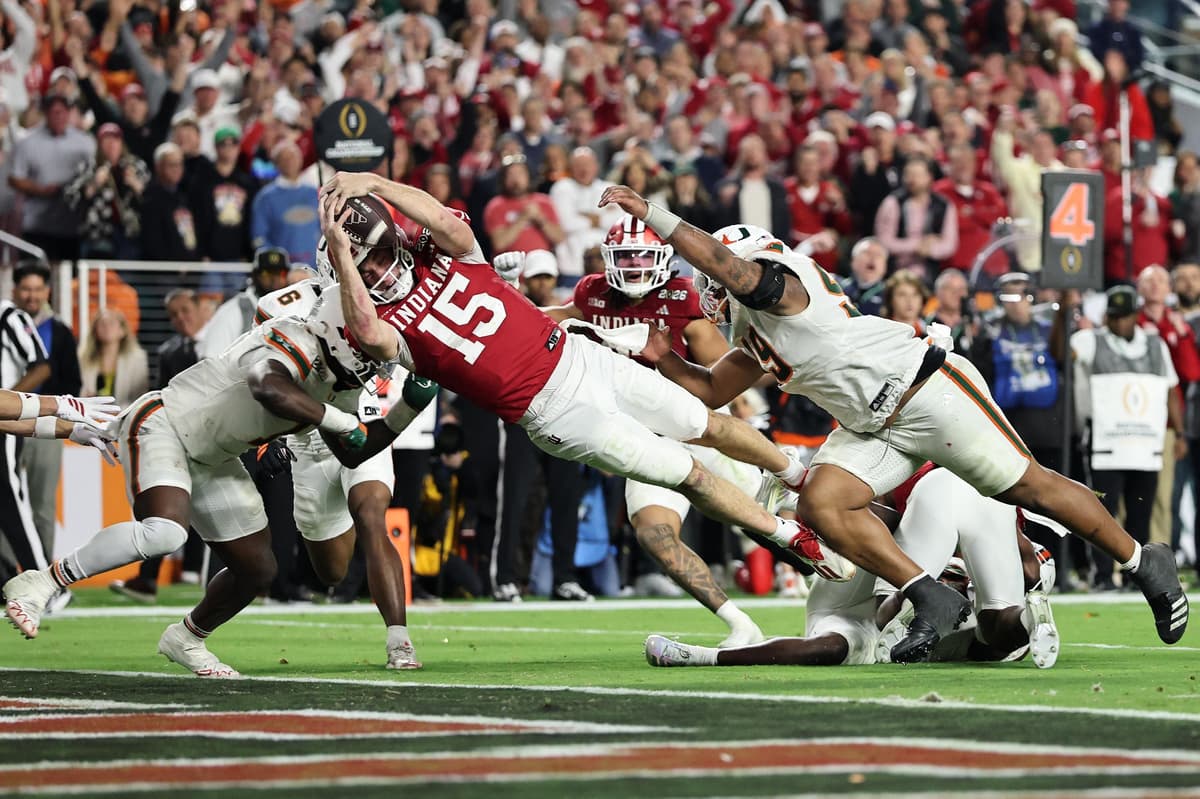
Quarterback Fernando Mendoza, the projected No. 1 pick from Indiana, stands to benefit dramatically from the Raiders’ victory over the Chiefs, which secured the top slot. A four‑year, $54.6 million rookie deal taxed at Nevada’s 0 % state rate versus New Jersey’s 10.75 % would lift his after‑tax earnings by more than $5 million. By contrast, a Giants selection would shave roughly $5.9 million from the same contract after state taxes. This tax differential dwarfs the modest $2 million gap between the first and second overall contract values.
The disparity underscores a growing equity issue in the NFL, where salary caps are uniform but tax burdens are not. Teams in high‑tax jurisdictions, such as the 49ers or Seahawks, effectively pay players less for identical contracts, influencing free‑agency decisions and roster construction. Analysts suggest the league could address the imbalance by allowing higher‑tax teams larger salary caps or by rotating marquee events like the Super Bowl to low‑tax states. For agents and players, evaluating state tax environments is becoming as critical as assessing coaching staff and market size.
The NFL Draft Order Will Save Fernando Mendoza Millions In State Taxes
Comments
Want to join the conversation?
Loading comments...