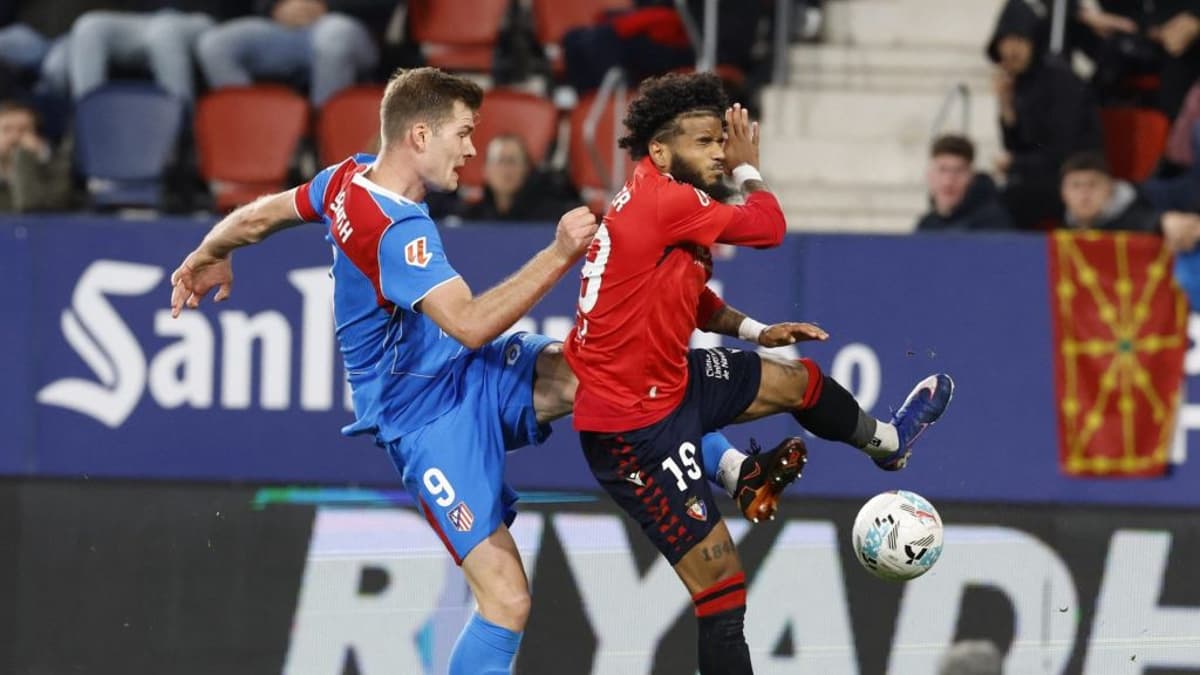
What Really Happened With the Spanish Soccer Team and Kalshi
Companies Mentioned
Why It Matters
The case highlights how professional sports clubs use sophisticated risk‑transfer tools, while exposing regulatory gaps in emerging prediction‑market platforms that could affect investor confidence and market integrity.
Key Takeaways
- •Osasuna bought €1.2 M (≈$1.39 M) relegation insurance covering €6 M payout.
- •Insurance was underwritten by Howden, then reinsured via Game Point and Kalshi.
- •The club had no direct involvement with Kalshi or any prediction market.
- •Relegation hedging is common in soccer, but public awareness remains low.
- •Spain’s regulator temporarily banned Kalshi and Polymarket for licensing gaps.
Pulse Analysis
Relegation insurance has become a quiet yet essential component of financial planning for many European football clubs. By locking in a payout that offsets the steep revenue loss associated with dropping to a lower division, clubs like Osasuna can protect cash flow, preserve player contracts, and maintain operational stability. The policy’s €1.2 million premium—roughly $1.39 million—mirrors similar arrangements seen at Borussia Dortmund and other top‑flight teams, underscoring a broader industry trend toward formal risk‑management solutions rather than ad‑hoc budgeting.
The secondary market for such insurance often involves specialized intermediaries that seek to balance risk exposure. In Osasuna’s case, Howden transferred the coverage to Game Point Capital, which then engaged Greenlight Commodities to place a matching bet on Kalshi, a regulated U.S. prediction‑market exchange. While Kalshi’s role was limited to facilitating a counterparty transaction, the public narrative mistakenly framed the club as betting against itself, prompting scrutiny from regulators. Spain’s recent temporary ban of Kalshi and Polymarket for operating without proper gambling licences illustrates the regulatory lag in addressing novel financial instruments that straddle insurance and betting.
For investors and club executives, the saga offers two key lessons. First, transparent disclosure of hedging strategies can mitigate reputational risk and preempt regulatory backlash. Second, as prediction markets mature, they may provide more efficient avenues for risk transfer, but only if they secure appropriate licensing and oversight. The convergence of traditional insurance and fintech‑driven markets could reshape how sports entities manage performance‑related volatility, making clarity and compliance critical to unlocking broader adoption.
What Really Happened With the Spanish Soccer Team and Kalshi
Comments
Want to join the conversation?
Loading comments...