Which Young MLB Stars Could Get an Extension Next? Top Prospects in Line for a Long-Term Deal
Companies Mentioned
Why It Matters
Early extensions give teams cost certainty and control while shifting financial risk onto clubs, reshaping arbitration dynamics and the broader MLB labor market.
Key Takeaways
- •Griffin's $140M deal sets new nine‑year benchmark
- •11 players signed ≥5‑year deals with <1 year service
- •Tigers eye McGonigle for next big early extension
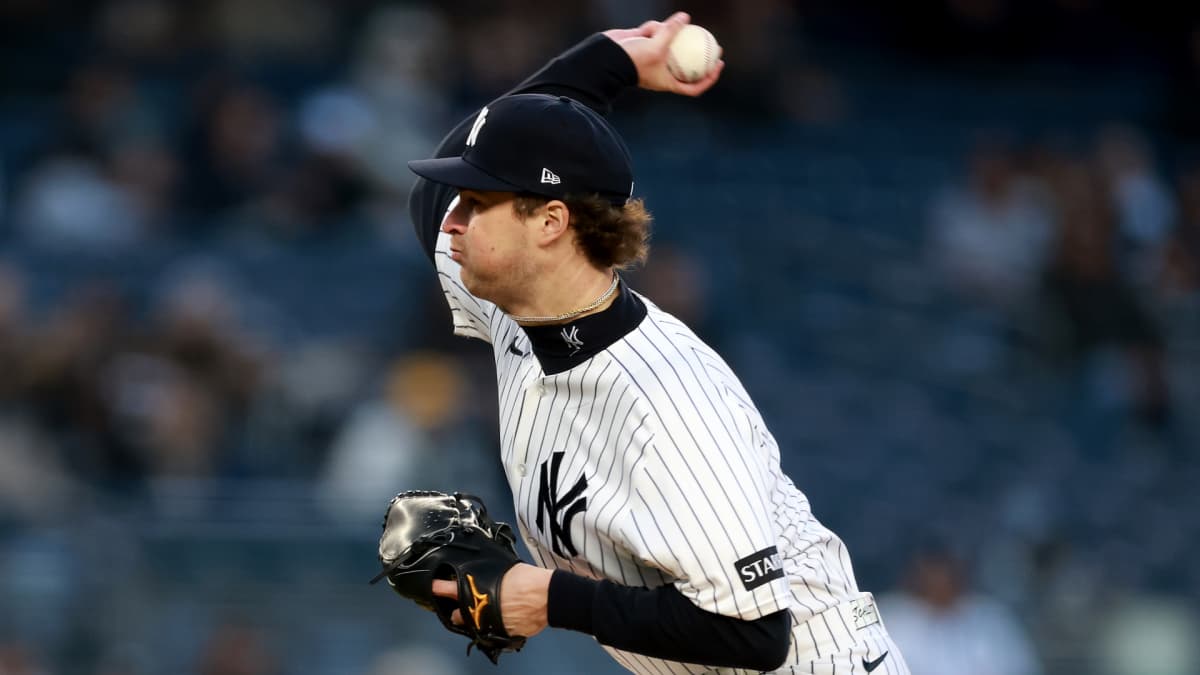
- •Yankees consider pitcher Cam Schlittler despite injury risk
- •Brewers may lock up prospect Jesús Made before MLB debut
Pulse Analysis
The surge in pre‑service‑time extensions reflects a strategic pivot by clubs seeking to lock in elite talent before market values inflate. By offering guaranteed money early, teams eliminate arbitration uncertainty and can spread cost over a longer horizon, effectively buying out future free‑agent years. This approach has accelerated since 2022, with a noticeable uptick in deals that would have been rare a decade ago, signaling that front offices now view top prospects as core franchise assets rather than speculative investments.
Prospects like Detroit’s Kevin McGonigle, who posted a .302/.388/.465 line in his first 11 games, embody the type of player teams are eager to secure. The Tigers could mirror the Mariners’ Emerson contract, providing McGonigle financial security while capping long‑term payroll risk. Similarly, New York’s Cam Schlittler, a former seventh‑round pick with a 2.71 ERA and strong peripheral metrics, presents a high‑upside, low‑risk candidate for a Yankees extension despite typical pitcher injury concerns. Cardinals second‑baseman JJ Wetherholt, boasting a .380 on‑base percentage, also fits the mold of a rookie whose early performance justifies a Griffin‑scale deal.
For the league, these contracts reshape the economics of player development. Small‑market clubs can compete for elite talent by front‑loading value, while larger markets gain flexibility in roster construction. However, the gamble remains: a prospect’s transition to sustained major‑league success is never guaranteed. As more teams adopt this model, we may see a new baseline for rookie compensation, heightened pressure on arbitration committees, and a potential ripple effect on free‑agent market dynamics in the coming years.
Which young MLB stars could get an extension next? Top prospects in line for a long-term deal
Comments
Want to join the conversation?
Loading comments...