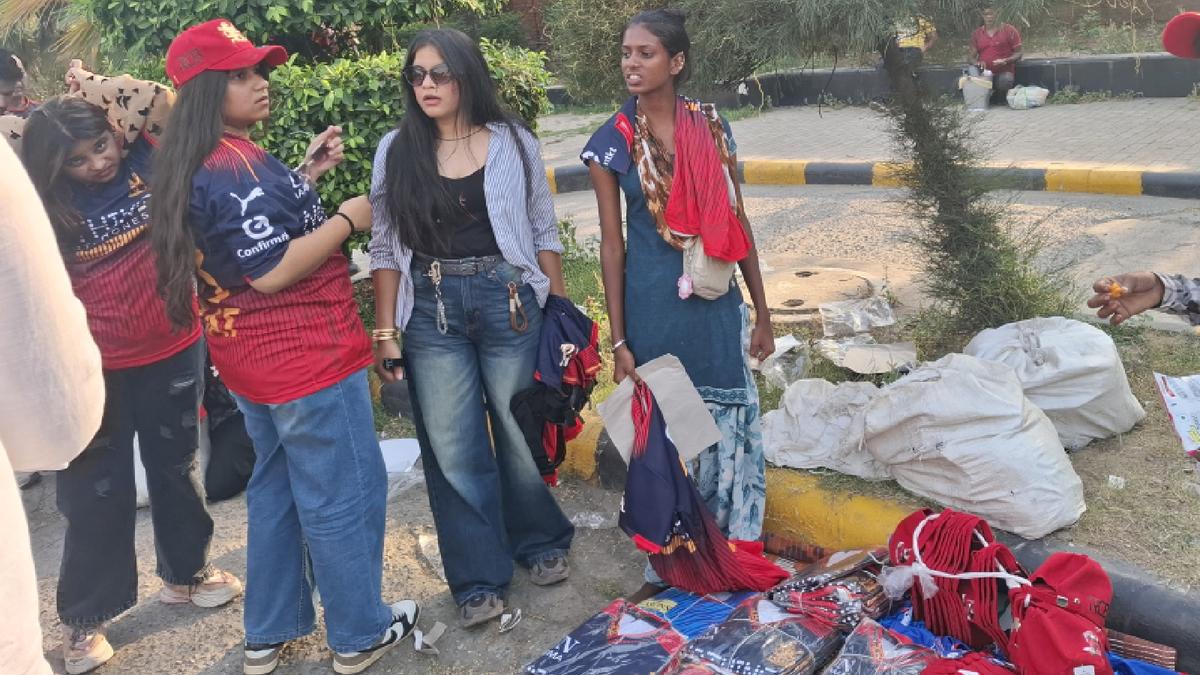
Why RCB, Mumbai Indians and Chennai Super Kings at the IPL Make a Difference to Merch Vendors
Companies Mentioned
Why It Matters
The story reveals how team popularity fuels a hidden gig‑economy that supports thousands of low‑income workers, while also exposing regulatory gaps and revenue volatility in India’s massive sports market.
Key Takeaways
- •Vendors buy jerseys at ~₹160 ($2) and sell for ₹200‑250 ($2.5‑$3).
- •RCB, MI, CSK drive 40‑50 jersey sales per match.
- •Daily earnings average ₹2,000‑3,000 ($24‑$36), barely covering costs.
- •Vendors operate without licences, facing police relocation and unsold inventory risk.
Pulse Analysis
The Indian Premier League’s spectacle extends far beyond the stadium gates, spawning a parallel economy of street‑level merchandise sellers. These vendors set up early, often on the sidewalks surrounding venues, and depend on the spontaneous demand of fans who arrive without official team apparel. By sourcing bulk jerseys from Mumbai at roughly ₹160 each, they create a low‑cost supply chain that enables them to price items at ₹200‑₹250, a price point affordable for many match‑day spectators while still delivering modest profit margins.
Team popularity dramatically shapes vendor fortunes. When high‑profile franchises such as Royal Challengers Bengaluru, Mumbai Indians or Chennai Super Kings take the field, vendors report sales of 40‑50 jerseys per match, translating to daily earnings of ₹2,000‑₹3,000. Conversely, matches featuring less‑followed teams see foot traffic dwindle, leaving sellers with unsold inventory and negligible income. Operating without formal licences, vendors must navigate police directives that often force them to the periphery, adding uncertainty to an already precarious livelihood.
The broader implication is a glimpse into India’s informal gig economy, where large‑scale events generate micro‑entrepreneurial opportunities that remain largely unregulated. As digital platforms and mobile payments proliferate, there is potential to formalise this market—offering vendors licensing, inventory tracking, and direct links to official merchandise distributors. Policymakers and IPL organizers could harness this latent demand to improve vendor earnings, ensure consumer safety, and capture additional tax revenue, turning a fragile side‑business into a sustainable component of the cricketing ecosystem.
Why RCB, Mumbai Indians and Chennai Super Kings at the IPL make a difference to merch vendors
Comments
Want to join the conversation?
Loading comments...