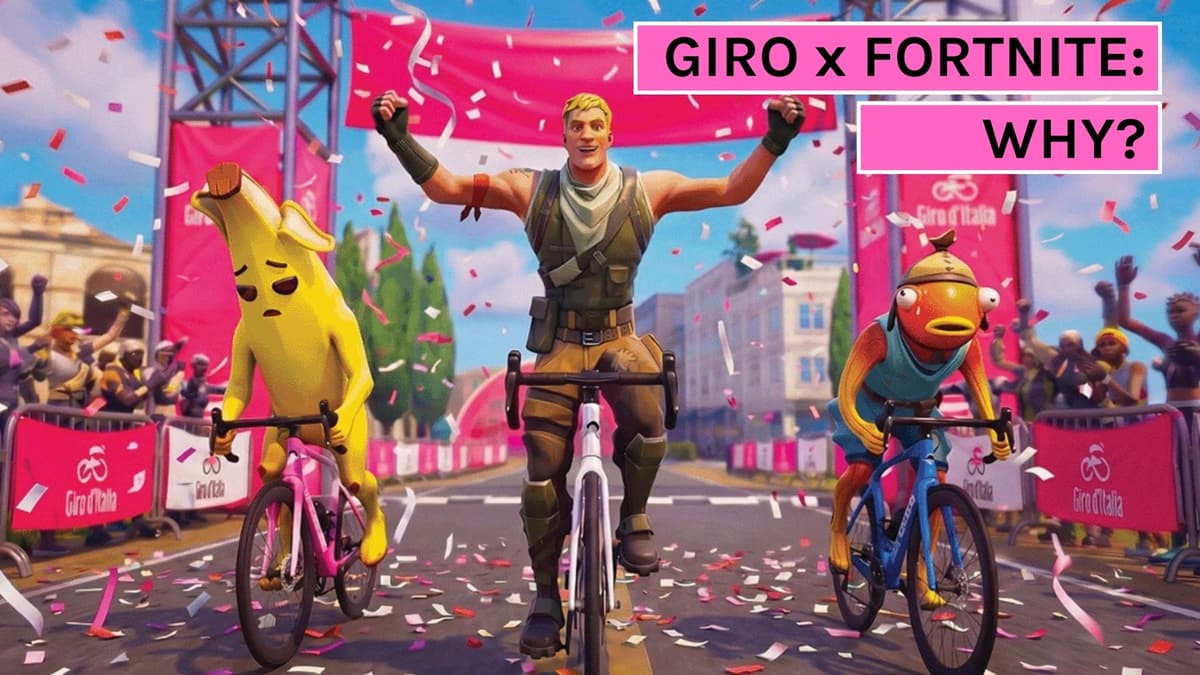
Why the Giro D’Italia Is Teaming up with a Video Game
Why It Matters
By entering Fortnite, the Giro gains unprecedented exposure to Gen‑Z gamers, potentially revitalising a sport that traditionally skews older. Success could set a template for other legacy sports seeking relevance in the digital age.
Key Takeaways
- •Giro partners with Fortnite to reach Gen‑Z cyclists
- •650 million Fortnite users provide massive exposure for the race
- •De Rosa supplies first in‑game bicycles for virtual Giro
- •RCS Sport aims to expand digital ecosystem and fan touchpoints
- •Success metrics remain undefined, relying on engagement data
Pulse Analysis
Pro cycling has long wrestled with an aging fan base, prompting organizers to explore digital avenues that resonate with younger consumers. The Giro d’Italia’s integration into Fortnite represents a strategic pivot, leveraging a platform where 1.3 million users log in daily. By recreating famed climbs and sprint zones within the game, the race not only offers an immersive experience but also aligns its brand with a cultural touchstone that dominates youth entertainment. This move underscores a broader industry trend: legacy sports are increasingly courting the gaming ecosystem to stay culturally relevant.
Fortnite’s demographic profile—nearly two‑thirds of its 650 million players are aged 18‑24 and predominantly male—matches the Giro’s target audience for growth. The partnership, facilitated by the independent NOVO Esport brand, introduces De Rosa‑branded bicycles as a novel in‑game transport option, a first for any professional cycling event. Such cross‑media exposure can translate into heightened social‑media chatter, streaming viewership spikes, and potential sponsorship synergies, especially as brands seek authentic connections with Gen‑Z consumers who value interactive experiences over passive viewership.
However, the venture’s success hinges on measurable engagement outcomes. RCS Sport has yet to disclose specific KPIs, leaving observers to watch for metrics like in‑game session length, user‑generated content, and conversion rates to real‑world ticket sales or merchandise. If the virtual Giro drives sustained interaction, it could validate a new revenue stream and inspire similar collaborations across the Grand Tours. Conversely, a lukewarm response may reinforce the challenges of translating gaming popularity into tangible sport fandom. Either way, the experiment will shape how traditional sports navigate the evolving digital entertainment landscape.
Why the Giro d’Italia Is Teaming up with a Video Game
Comments
Want to join the conversation?
Loading comments...