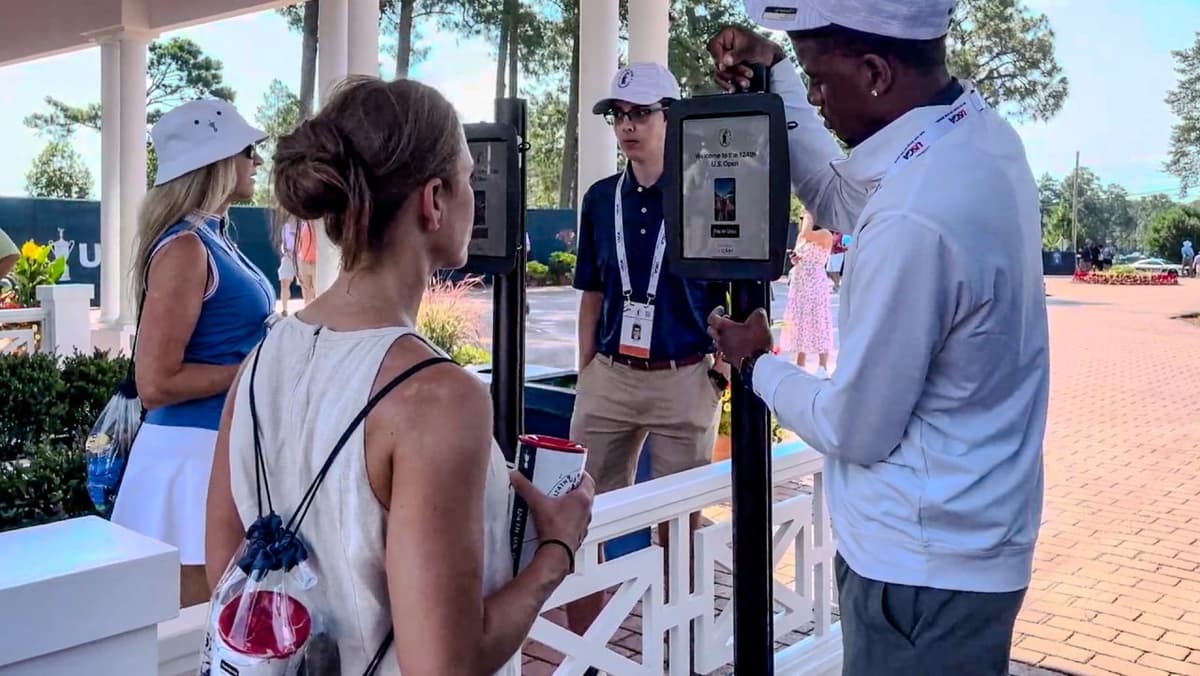
Wicket, Paciolan Deal Opens up Big Market for Biometric Ticketing at College Sports
Companies Mentioned
Why It Matters
The deal unlocks a large, high‑traffic market for biometric ticketing, promising faster fan entry and new revenue streams, but it also forces operators to navigate stricter privacy regimes abroad.
Key Takeaways
- •Wicket partners with Paciolan to add facial ticketing to 75% Five schools
- •Pilot launches this football season, promising faster entry and reduced lines
- •Prior deployments cut wait times by 50% at Boise State games
- •EU/UK privacy rules create compliance hurdles for biometric stadium entry
- •Barcelona fined €500k ($586k) for missing biometric data impact assessment
Pulse Analysis
The Wicket‑Paciolan partnership marks a pivotal step toward mainstreaming biometric ticketing in U.S. college sports. By embedding facial authentication into a platform already entrenched in 75% of Power Five schools, the collaboration promises to streamline entry, reduce staffing costs, and enhance the gameday experience. Early pilots, such as the Boise State “premium entry” trial, have already halved queue times, signaling a clear operational upside for venues that adopt the technology ahead of the fall football rush.
Beyond the immediate efficiency gains, the alliance signals a broader industry shift toward identity‑driven access control. Wicket’s recent rollout at Los Angeles Football Club’s BMO Stadium showcases how biometric turnstiles can integrate with existing hardware, delivering a seamless, secure experience that appeals to tech‑savvy fans. As venues seek to differentiate themselves, biometric ticketing offers a premium service that can be bundled with loyalty programs, dynamic pricing, and personalized marketing, opening new monetization pathways.
However, the expansion is not without regulatory headwinds. Europe’s GDPR classifies facial data as special‑category personal information, prompting stricter impact assessments and higher fines, as illustrated by Barcelona’s €500,000 ($586,000) penalty. U.S. operators eyeing international markets must therefore embed robust privacy safeguards from the outset. Balancing speed and security with compliance will be the litmus test for biometric ticketing’s global scalability, making the Wicket‑Paciolan rollout a bellwether for the technology’s future trajectory.
Wicket, Paciolan deal opens up big market for biometric ticketing at college sports
Comments
Want to join the conversation?
Loading comments...