With Long Road Ahead, Changes Are Certain in MLB Labor Talks
Why It Matters
The outcome will dictate how profit and player compensation are balanced, influencing franchise values, competitive balance, and MLB’s long‑term revenue trajectory.
Key Takeaways
- •Players propose soft payroll floor and higher minimum salaries
- •Owners push for hard salary cap at $245.3 million per team
- •Both sides differ on revenue sharing and media revenue pooling
- •No agreement could trigger a lockout before Dec 1, 2026
- •Payroll disparity highlighted as biggest growth obstacle for MLB
Pulse Analysis
The latest round of MLB labor talks reveals a widening chasm between the players’ union and team owners over how to address the sport’s entrenched revenue disparity. While the MLBPA’s initial proposal centers on a soft payroll floor, boosted minimum salaries and broader free‑agency rights, owners counter with a hard salary cap and floor, capping total team spending at $245.3 million—including benefits. This clash mirrors the 1994 negotiations that led to a World Series cancellation, suggesting that the stakes are as high as ever.
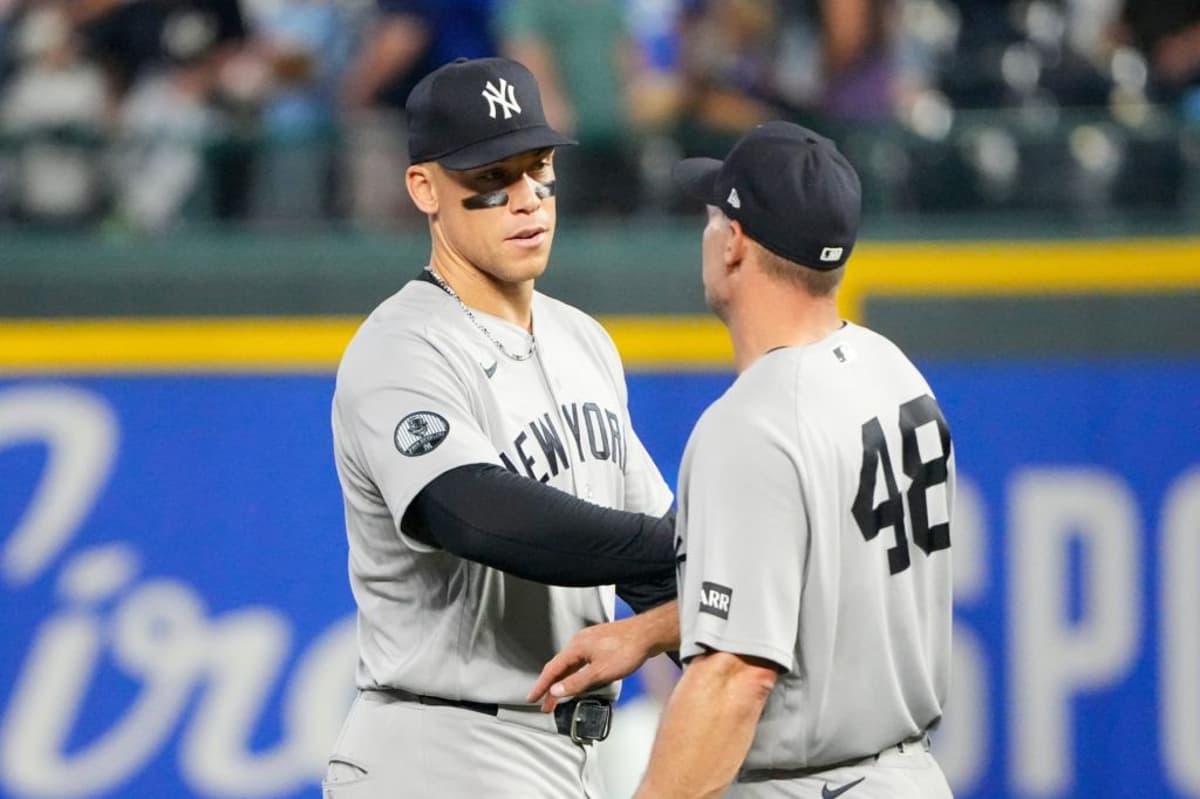
Beyond the headline‑grabbing cap debate, the proposals diverge on revenue sharing mechanisms. Owners want to centralize local media income, a move that would upend the market‑based model that has historically favored high‑spending clubs. The union argues such a shift would cement competitive imbalances, especially as teams like the Brewers, Rays and Guardians—mid‑tier payroll spenders—already top their divisions while high‑payroll clubs like the Mets struggle. The disagreement underscores the broader challenge of aligning profit motives with on‑field competitiveness in a league that is enjoying robust attendance and viewership, driven by stars like Shohei Ohtani and Aaron Judge.
The timeline adds urgency: the current collective bargaining agreement expires Dec. 1, 2026, and a failure to reach a new deal could trigger a lockout, mirroring the 99‑day work stoppage in the previous cycle. Historically, the most substantive bargaining occurs months before a potential lockout, as seen in early 2022, suggesting that decisive negotiations may not intensify until early 2027. Stakeholders—from franchise owners to broadcasters—must watch these developments closely, as the eventual settlement will shape MLB’s financial architecture, competitive balance, and its ability to capitalize on growing fan interest both domestically and internationally.
With Long Road Ahead, Changes Are Certain in MLB Labor Talks
Comments
Want to join the conversation?
Loading comments...