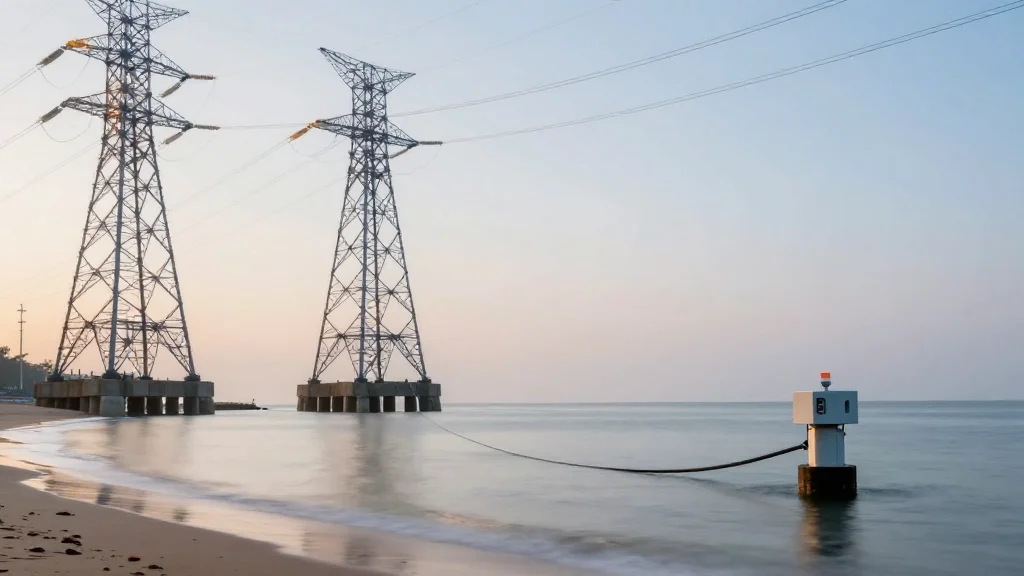
ADB Commits $70 B to Power‑Grid and Broadband Projects Across Asia‑Pacific by 2035

Companies Mentioned
Why It Matters
The financing plan represents the largest coordinated effort to simultaneously upgrade energy and digital infrastructure in the Asia‑Pacific, a region that accounts for more than half of global internet traffic and a growing share of renewable energy capacity. By coupling power‑grid integration with broadband expansion, ADB is addressing two interlinked bottlenecks: unreliable electricity that hampers data‑center operations and insufficient connectivity that limits digital adoption. Successful execution could reshape regional trade patterns, lower operating costs for telecom operators, and accelerate the transition to a low‑carbon economy. For telecom companies, the initiative offers a low‑risk pathway to expand network footprints, especially in markets where the cost of laying fiber or building 5G sites has been prohibitive. The public‑private partnership model also signals confidence from multilateral lenders, potentially unlocking additional private‑sector capital and encouraging other development banks to replicate the approach in Africa and Latin America.
Key Takeaways
- •ADB pledges $70 billion for energy and digital projects across Asia‑Pacific by 2035
- •$50 billion allocated to the Pan‑Asia Power Grid Initiative for cross‑border transmission
- •Goal to integrate 20 GW of renewable energy and build 22,000 circuit‑km of lines
- •Broadband component aims to connect 200 million people lacking reliable internet
- •Projected creation of 840,000 jobs and a 15% cut in regional power‑sector emissions
Pulse Analysis
ADB’s dual‑track strategy reflects a growing recognition that energy reliability and digital connectivity are mutually reinforcing pillars of economic development. Historically, telecom rollouts in the region have been hampered by uneven power supply, forcing operators to invest in costly backup generators. By securing a stable, renewable‑rich grid, operators can reduce OPEX, improve service quality, and accelerate the deployment of energy‑intensive technologies such as 5G and edge computing.
The financing structure—half from ADB’s own balance sheet and half from co‑financing—mirrors the blended‑finance models that have proven effective in climate‑focused infrastructure. This approach mitigates risk for private investors while ensuring that projects meet stringent environmental standards. For telecom firms, the prospect of shared infrastructure reduces the capital intensity of network expansion, potentially compressing the payback period for rural fiber and 5G sites.
Looking ahead, the success of the ADB program will hinge on coordination among a fragmented set of national regulators, utilities, and telecom operators. Harmonising standards for cross‑border electricity trade and spectrum allocation will be essential. If ADB can demonstrate tangible outcomes—such as measurable reductions in electricity costs for data centres or a surge in broadband subscriptions—the model could become a template for other multilateral institutions seeking to bridge the energy‑digital divide worldwide.
ADB Commits $70 B to Power‑Grid and Broadband Projects Across Asia‑Pacific by 2035
Comments
Want to join the conversation?
Loading comments...