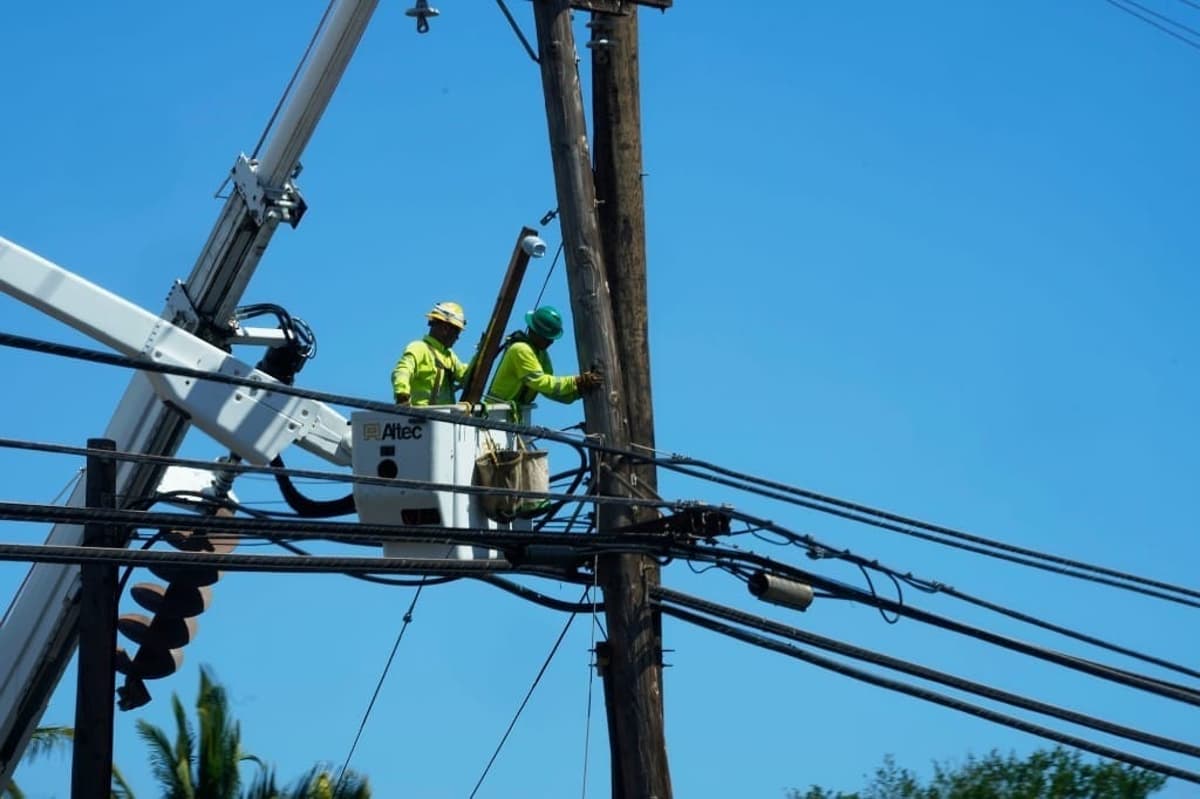
FCC Taking a Look at State Pole Attachment Laws
Companies Mentioned
Why It Matters
Uniform pole‑attachment rules are critical to meeting BEAD timelines and avoiding costly disputes that could delay high‑speed internet rollout to millions of Americans.
Key Takeaways
- •FCC seeks comment on updating state pole‑attachment certifications.
- •23 states and D.C. currently preempt federal pole rules.
- •Over 40% of BEAD aerial fiber will sit on electric co‑op poles.
- •FCC may extend authority to co‑ops lacking state pole regulations.
Pulse Analysis
The $42.45 billion Broadband Equity, Access, and Deployment (BEAD) program is the largest federal effort to close the digital divide, targeting 4 million locations with high‑speed fiber. Because the majority of new fiber will be strung from existing utility poles, the regulatory framework governing pole attachment becomes a linchpin for project speed and cost. Historically, the FCC’s national rules set fee caps, application timelines, and safety standards, but they apply only where federal law is not preempted by state statutes. As a result, a mosaic of state regimes can create uncertainty for carriers planning multi‑state rollouts.
In a Thursday notice, the FCC invited stakeholders to comment on “more transparent and effective” state pole‑attachment laws, flagging inconsistencies and outdated certifications—many filed before 1996, when the rules covered only cable TV providers. The commission is weighing whether reverse‑preempted states must recertify their regimes and whether it should impose clearer definitions of who may regulate pole access. Notably, the agency highlighted that it currently regulates only about 10% of the poles slated for BEAD‑funded fiber, leaving a large share under state or cooperative jurisdiction.
The potential expansion of FCC authority into electric cooperative territories could reshape the cost dynamics for telecoms, which have long negotiated rates directly with co‑ops. Co‑ops argue that federal oversight would limit their flexibility, yet carriers warn that divergent state rules and the lack of a uniform fee structure risk delaying deployments and inflating expenses. If the FCC moves to harmonize pole‑attachment standards, the industry could see faster dispute resolution, more predictable pricing, and a smoother path to meeting BEAD deadlines—benefiting both investors and the millions of households awaiting next‑generation broadband.
FCC Taking a Look at State Pole Attachment Laws
Comments
Want to join the conversation?
Loading comments...