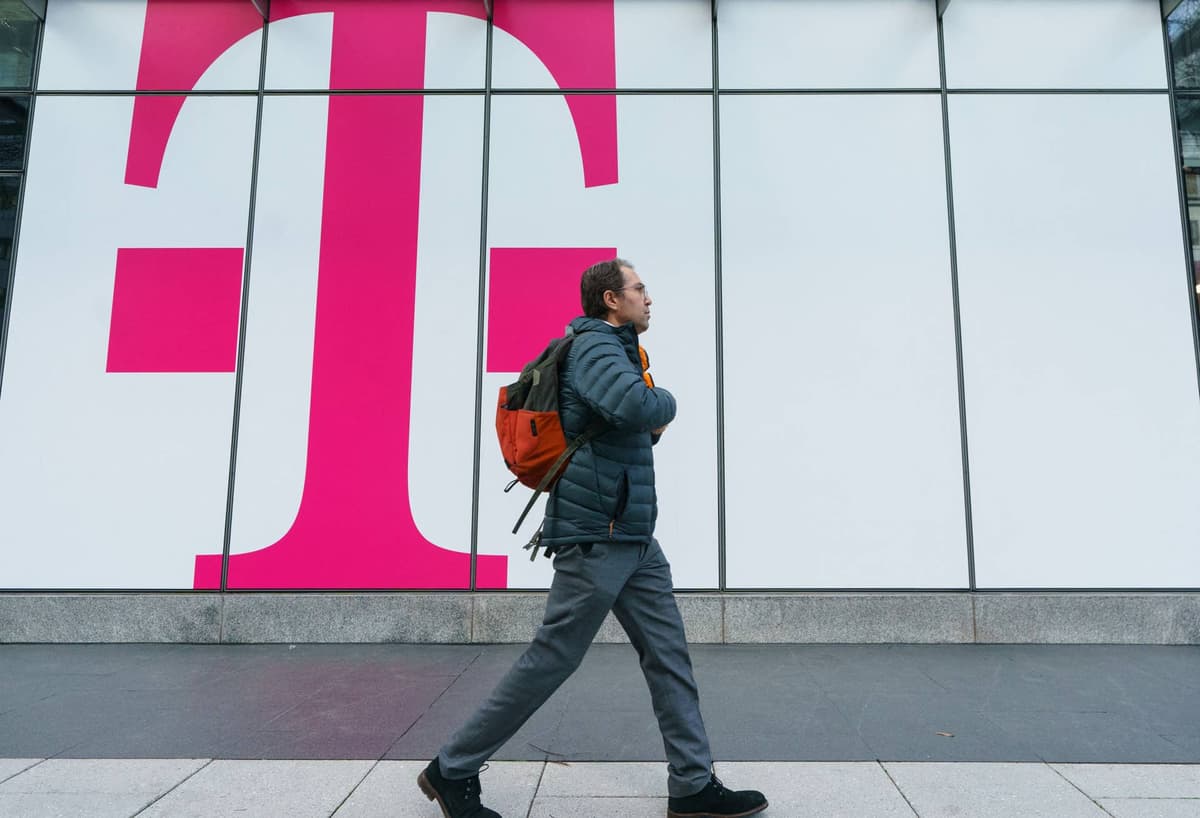
T-Mobile Quietly Revamps Internet Plans Amid Rising Pressure
Companies Mentioned
Why It Matters
By lowering prices and expanding fiber assets, T‑Mobile seeks to win back cable‑defectors and offset rising broadband churn, positioning itself as a serious competitor to legacy ISPs and the newer niche providers.
Key Takeaways
- •T‑Mobile cut fiber 500 Mbps plan to 300 Mbps at $45/month
- •Fiber 1 Gbps price lowered to $60, voice discount removed
- •Five‑year price guarantee lets T‑Mobile adjust rates after term
- •Joint ventures with GoNetspeed, Greenlight and i3 aim to double fiber footprint
Pulse Analysis
The U.S. broadband market is in the midst of a consumer‑driven migration away from traditional cable, as price hikes at incumbents like Spectrum and Comcast push shoppers toward wireless carriers and smaller fiber providers. T‑Mobile’s recent plan redesign reflects this shift, offering lower‑priced tiers that undercut legacy ISPs while simplifying its product slate. By eliminating voice‑line discounts and bundling a five‑year price guarantee, the carrier can attract price‑sensitive households now and retain the ability to adjust pricing once the guarantee expires, a tactic that balances short‑term growth with longer‑term margin control.
Pricing adjustments alone, however, do not fully address the churn challenge T‑Mobile disclosed in its Q1 earnings call, where broadband churn rose 10 basis points year‑over‑year. The removal of voice discounts reduces ancillary revenue, and the five‑year guarantee may be perceived as a temporary reprieve rather than a loyalty driver. Analysts see the plan changes as a defensive measure to stem customer loss to nimble regional ISPs that score higher on satisfaction surveys, such as Starlink and Lumos, which currently enjoy loyalty scores above 85 percent.
To complement the pricing strategy, T‑Mobile is accelerating fiber deployment through joint ventures with GoNetspeed, Greenlight Networks and i3 Broadband. These partnerships leverage existing fiber footprints, allowing T‑Mobile to scale its network without the capital intensity of building new infrastructure from scratch. Executives frame the initiative as an equity‑value play rather than a pure convergence effort, signaling confidence that a robust fiber portfolio will generate sustainable shareholder returns and position the carrier as a credible alternative to both cable giants and emerging satellite providers.
T-Mobile quietly revamps internet plans amid rising pressure
Comments
Want to join the conversation?
Loading comments...