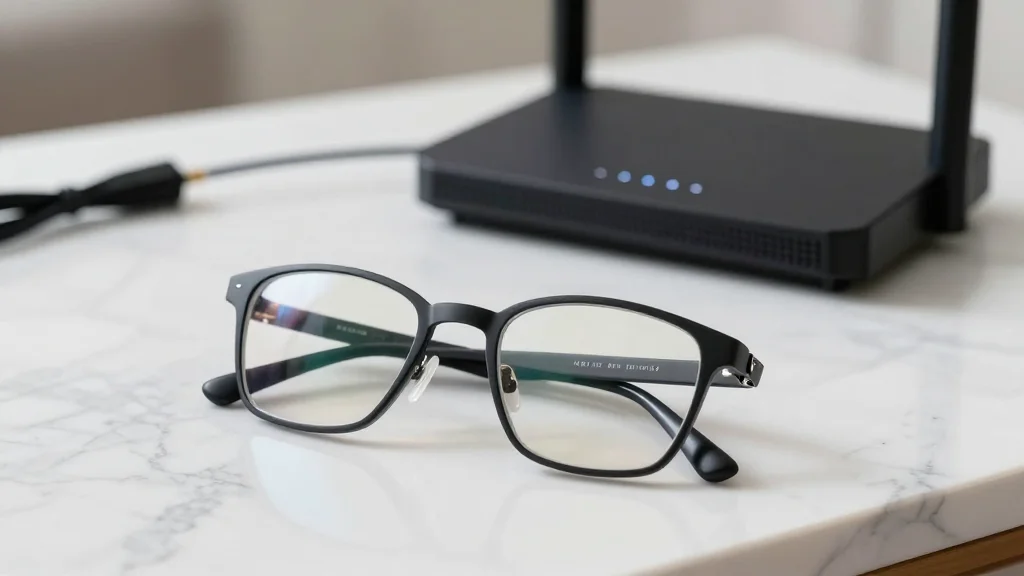
Verizon Fios Lures New Customers with Free Meta Ray‑Ban Glasses on 1‑2 Gbps Plans

Companies Mentioned

Why It Matters
The promotion highlights how telecom operators are increasingly using consumer electronics to differentiate their services in a crowded broadband market. By bundling Meta’s AR glasses, Verizon not only adds perceived value for price‑sensitive households but also aligns itself with the emerging wearables ecosystem, potentially opening new revenue streams from AR‑enabled services. The five‑year price lock further signals a strategic shift toward long‑term subscriber retention, a critical metric as the industry grapples with churn and regulatory pressure. For the broader telecom sector, the deal illustrates a growing trend of cross‑industry partnerships that blur the lines between connectivity providers and device manufacturers. As carriers seek to monetize high‑speed fiber and 5G networks, offering premium hardware can become a key lever to attract and lock in customers, especially in markets where price competition alone is insufficient to drive growth.
Key Takeaways
- •Verizon Fios offers free Meta Ray‑Ban smart glasses with 1 Gbps ($75/mo) and 2 Gbps ($95/mo) plans
- •Promotion includes whole‑home Wi‑Fi router system and automatic signal‑strength monitoring
- •Both plans feature a five‑year price‑lock guarantee through 2031
- •Meta Ray‑Ban glasses provide 12 MP dual cameras, 32 GB storage, and up to 36 hours of battery life
- •Deal aims to boost fiber adoption amid heightened competition from cable and 5G home broadband providers
Pulse Analysis
Verizon’s free‑glass promotion is a calculated gamble that leverages brand equity on both sides: Verizon’s reputation for network reliability and Meta’s high‑visibility AR hardware. The move reflects a broader industry pivot from pure price wars to value‑added ecosystems, where carriers act as platforms for emerging digital experiences. By locking in customers for five years, Verizon mitigates churn risk while securing a predictable cash flow that can fund further network upgrades and 5G expansions.
Historically, telecom incentives have centered on discounted equipment or reduced monthly fees. This partnership marks a departure, positioning a wearable as the centerpiece of the offer. If redemption rates are strong, it could set a precedent for future collaborations—think smart home hubs, VR headsets, or even autonomous‑vehicle connectivity kits—transforming broadband subscriptions into gateways for a suite of connected services. However, the strategy also carries risk: the AR market remains nascent, and consumer enthusiasm for smart glasses has been mixed. Should adoption lag, the promotional cost could outweigh subscriber gains.
Competitors are likely to counter with their own hardware bundles or deeper discounts, potentially igniting a promotional arms race that compresses margins across the sector. Regulators may also scrutinize such incentives for anti‑competitive effects, especially if they effectively lock consumers into long‑term contracts. In the short term, Verizon’s gamble could pay off by attracting tech‑savvy households eager for both speed and cutting‑edge devices, but the long‑term impact will hinge on how quickly AR use cases become mainstream and whether the carrier can translate hardware giveaways into sustainable revenue growth.
Verizon Fios Lures New Customers with Free Meta Ray‑Ban Glasses on 1‑2 Gbps Plans
Comments
Want to join the conversation?
Loading comments...