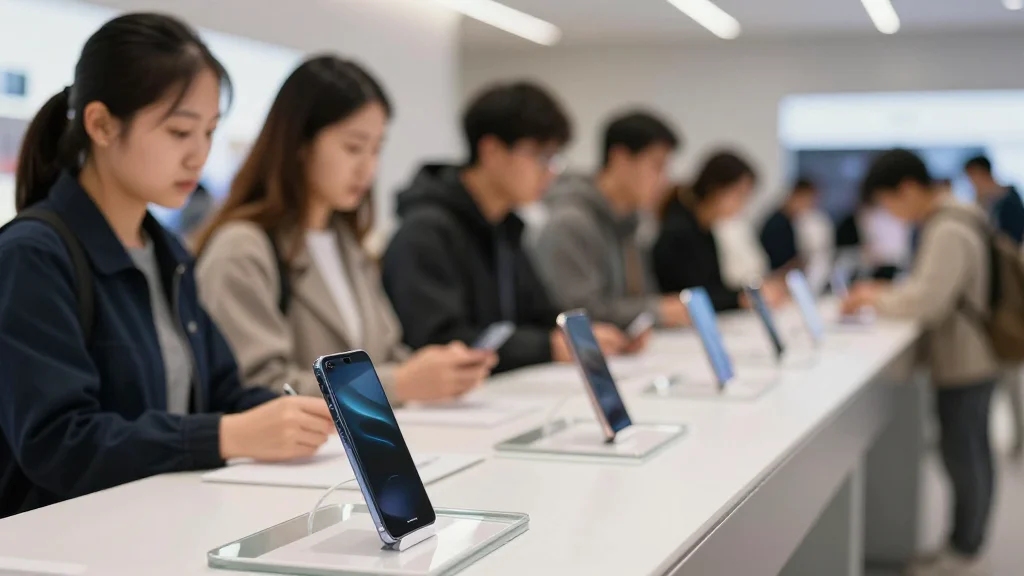
Verizon Store Policy Spurs Two‑Hour Waits as Employees Push Aggressive Sales

Why It Matters
The dispute highlights the tension between revenue‑driven sales initiatives and the core service promise of a telecom operator. Prolonged in‑store wait times risk alienating existing customers, a critical concern for Verizon as it battles a 2.25 million‑subscriber decline. Moreover, employee morale and turnover can erode operational efficiency, increasing costs at a time when the company is already trimming headcount. If Verizon fails to balance sales pressure with customer experience, it may accelerate churn and invite regulatory scrutiny over consumer treatment. Conversely, a policy reset could improve satisfaction, bolster brand perception, and help the carrier regain lost market share in a fiercely competitive U.S. telecom landscape.
Key Takeaways
- •Verizon staff claim a new in‑store policy forces them to pitch every product to every customer, creating lines over two hours long.
- •CEO Dan Schulman’s "aggressively transform" plan includes massive layoffs (13,000 in Nov 2025, hundreds in May 2026) and heightened sales quotas.
- •Employees report cut commissions and unchanged sales goals despite higher workload, saying they now earn half as much for twice the effort.
- •Verizon has lost 2.25 million postpaid phone customers in the past three years, intensifying pressure to boost sales.
- •Customer complaints about long wait times are surfacing on social media, risking further churn and brand damage.
Pulse Analysis
Verizon’s current dilemma is a textbook case of a legacy carrier trying to reinvent itself through aggressive upselling while neglecting the service fundamentals that retain customers. The policy’s emphasis on cross‑selling every possible device and plan reflects a short‑term revenue boost strategy, but the resulting operational friction is eroding the very customer base the company needs to protect. Historically, telecom firms that have prioritized sales over service—think Sprint’s pre‑merger era—saw accelerated churn and brand erosion.
The employee backlash also signals a deeper cultural shift. Layoffs and heightened quotas have already dented morale; adding micromanaged sales scripts compounds the issue, turning frontline staff into reluctant sales agents rather than problem‑solvers. This dynamic can amplify negative word‑of‑mouth, especially in the age of social media where a single Reddit post can reach thousands of potential customers.
Looking ahead, Verizon faces a strategic crossroads. It can either double down on the high‑pressure sales model, hoping that incremental revenue outweighs churn, or it can recalibrate to a more balanced approach that restores employee autonomy and reduces wait times. The latter would likely involve revisiting commission structures, simplifying product bundles, and investing in digital self‑service tools to offload in‑store traffic. Competitors are already capitalizing on the friction Verizon creates, offering streamlined onboarding and fewer sales hoops. The carrier’s next public statement—or lack thereof—will be a bellwether for its long‑term viability in a market where customer experience increasingly dictates market share.
Verizon Store Policy Spurs Two‑Hour Waits as Employees Push Aggressive Sales
Comments
Want to join the conversation?
Loading comments...