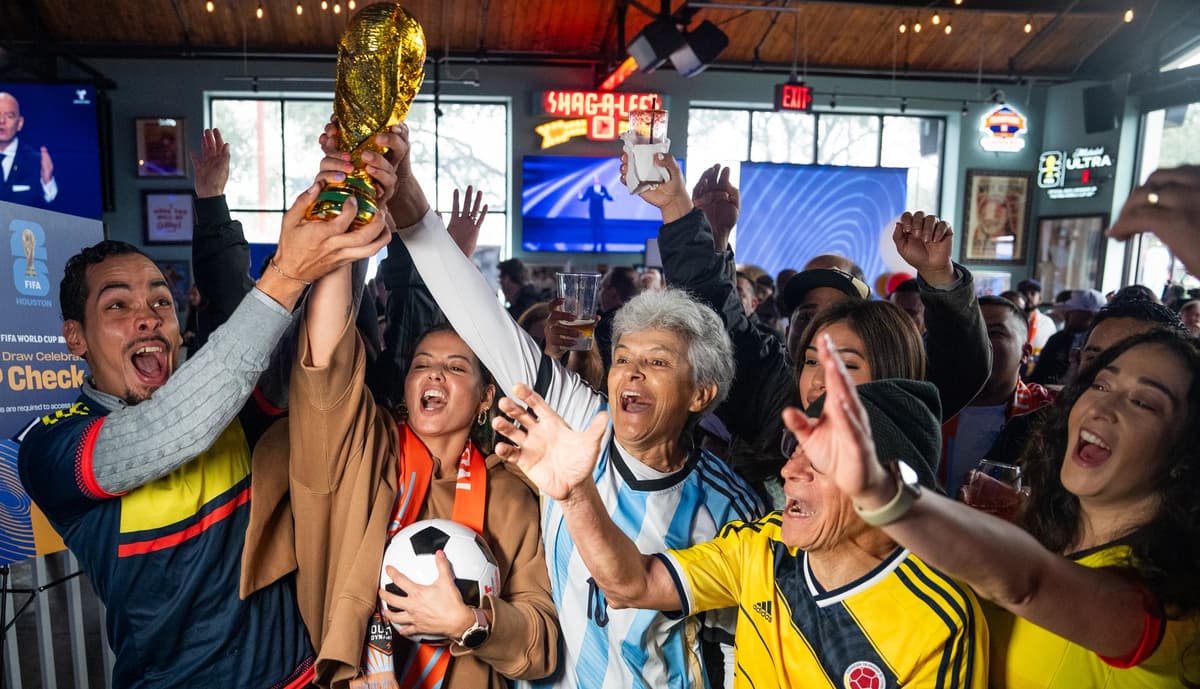
The Live Revenge: Sports Are Taking Back Power in the Age of Infinite Content
Companies Mentioned
Why It Matters
Live sports now drive the bulk of premium ad spend and real‑time audience engagement, forcing broadcasters and OTT players to overhaul rights and monetisation models before the 2026 World Cup.
Key Takeaways
- •Live sports deliver unmatched real‑time audience concentration, outpacing on‑demand content
- •Super Bowl LIX ad spot topped $8 million; total spend hit $650 million
- •76% of Latin American World Cup rights are shifting to streaming platforms
- •Pay‑TV remains primary soccer window, but women now 25‑35% of viewers
- •Broadcasters are turning live matches into multi‑layered platforms beyond the final whistle
Pulse Analysis
The rise of artificial intelligence has turned scripted entertainment into a low‑cost, algorithm‑driven product, leaving live sports as the only truly scarce commodity. Audiences flock to real‑time events for urgency, simultaneity and social buzz that no recommendation engine can replicate. This dynamic is reflected in record numbers: the Super Bowl LIX attracted 127.7 million viewers, while Netflix’s Christmas‑day NFL double‑header pulled roughly 65 million U.S. viewers, cementing live broadcasts as the premier attention engine.
In Ibero‑America, the World Cup 2026 is reshaping the rights landscape. Seventy‑six percent of the six largest markets are committing to streaming‑first deals, yet pay‑TV retains its status as the dominant soccer window, especially as viewership among women climbs to 25‑35% of the total audience. Brazil exemplifies the hybrid approach, blending free‑to‑air, pay‑TV and OTT to reach a potential 197 million viewers, while digital‑native players like ViX and Disney+ secure exclusive premium packages across the region. This fragmentation creates new competitive pressures and opportunities for data‑driven personalization.
The industry’s next evolution treats the live broadcast as a platform rather than a one‑off product. Real‑time targeted advertising, AI‑generated highlights, second‑screen experiences, in‑game brand activations and integrated commerce are extending revenue streams well beyond the 90‑minute match. Companies that embed these capabilities into their rights strategy will capture the high‑intent audience and monetize the post‑game ecosystem, positioning themselves for the massive financial upside of the 2026 World Cup. Those that cling to legacy distribution models risk being left on the sidelines.
The Live Revenge: Sports Are Taking Back Power in the Age of Infinite Content
Comments
Want to join the conversation?
Loading comments...