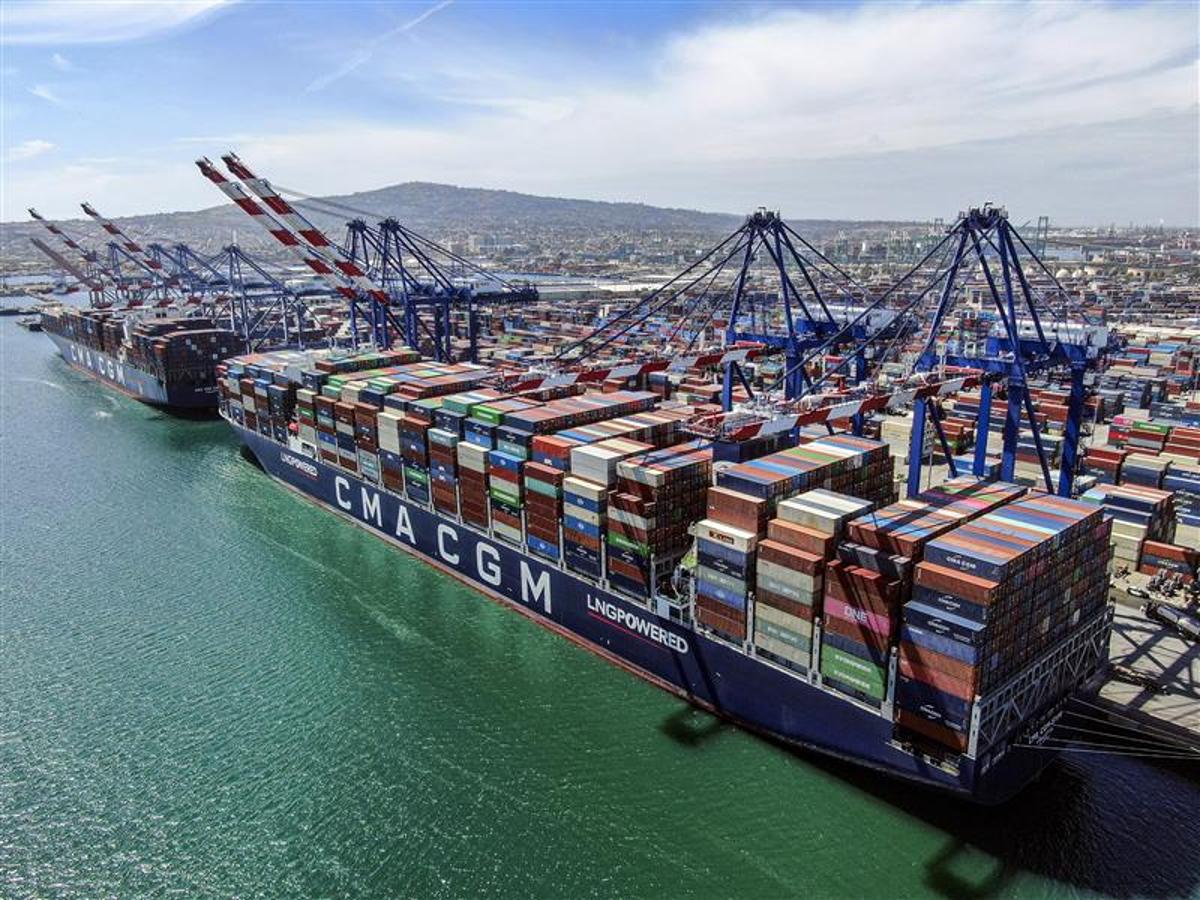
CMA CGM Launches Transatlantic Panama Direct Service to Cork, Ireland
Key Takeaways
- •Cork gains direct links to New York, Savannah
- •Service starts April 28, 2026 on MV WHITE
- •Additional vessel boosts frequency and reliability
- •Premium schedule targets time‑sensitive cargo
- •Enhances CMA CGM’s transatlantic network
Summary
CMA CGM announced a new direct service linking Cork, Ireland with New York and Savannah, launching on April 28, 2026 aboard the MV CMA CGM WHITE. The route adds an extra vessel to the transatlantic fleet, promising higher frequency and tighter schedules. Positioned as a premium offering, the service aims to provide faster, more reliable connections for Irish shippers. It reinforces CMA CGM’s broader strategy to deepen its transatlantic network.
Pulse Analysis
Ireland’s trade corridors have long depended on UK gateways such as Liverpool and Southampton, adding extra handling steps and lengthening transit times to the United States. By establishing a dedicated Cork‑to‑East‑Coast service, CMA CGM eliminates that bottleneck, giving Irish manufacturers, agricultural exporters, and e‑commerce firms a more streamlined route to major U.S. distribution hubs. The direct connection not only reduces ocean‑leg duration but also simplifies customs documentation, a critical advantage for time‑critical goods.
CMA CGM’s decision aligns with a broader industry shift toward point‑to‑point services that prioritize reliability over sheer volume. Deploying the MV CMA CGM WHITE and an additional vessel signals the carrier’s confidence in sustained demand for transatlantic freight, especially as supply‑chain resilience remains a top priority for global shippers. The premium schedule, characterized by fixed sailing windows and consistent transit times, positions CMA CGM to compete more aggressively against rivals like Maersk and MSC, which have also been expanding direct Europe‑U.S. lanes.
For the Irish economy, the new service could translate into lower freight costs, reduced inventory carrying costs, and faster market entry for Irish products in North America. Logistics providers can now offer tighter delivery windows, enhancing service levels for end‑customers. Looking ahead, the Cork hub may serve as a springboard for further network extensions, potentially linking to inland rail corridors or additional U.S. ports, reinforcing Ireland’s role in the global supply chain.


Comments
Want to join the conversation?