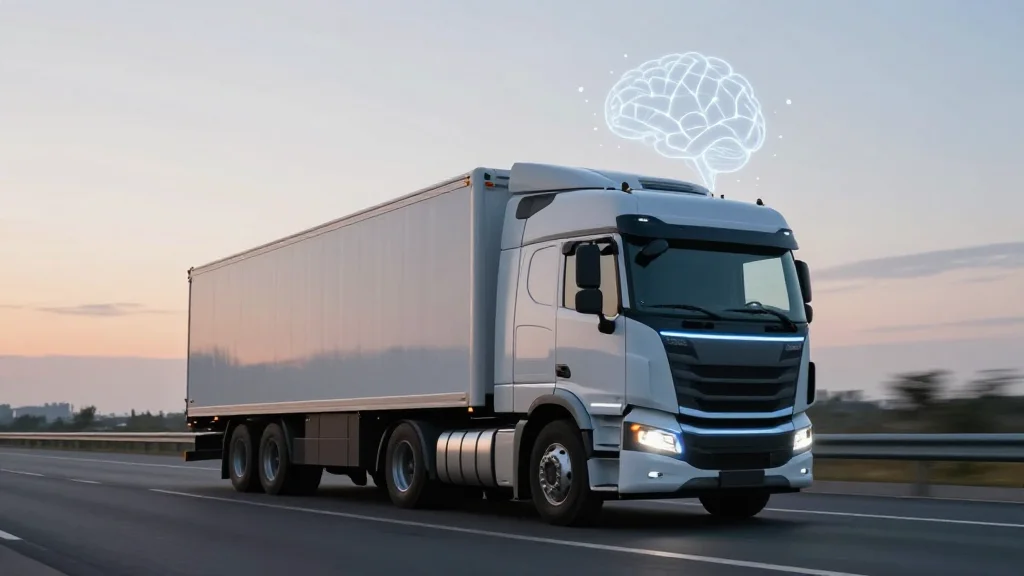
On the Effects of Artificial General Intelligence on Transport
Key Takeaways
- •AGI could fully automate cars, trucks, trains, planes, and ships
- •Humanoid robots may serve as interim operators for existing fleets
- •AGI-driven virtual agents may shrink commuting and business travel demand
- •Centralized AGI control raises systemic failure risk, demanding redundancy
- •Reduced vehicle use could free urban streets for public spaces
Pulse Analysis
As narrow AI already powers thousands of autonomous vehicles, the next leap—Artificial General Intelligence—promises to extend that capability across every transport mode. Decentralized AGI systems would handle real‑time routing, trajectory planning, and vehicle control, slashing marginal labor costs while shifting capital expenditures toward sophisticated, AGI‑ready hardware. In the transition period, humanoid robots could operate legacy equipment, offering a cost‑effective bridge before fleets are fully rebuilt with purpose‑designed AGI platforms.
Beyond hardware, AGI‑enabled virtual agents are poised to reshape travel demand itself. By automating many white‑collar tasks, these agents could reduce daily commuting and business‑travel volumes, while simultaneously tightening supply chains as firms move toward just‑in‑time inventory models. Freight may see intensified, high‑frequency shipments, even as passenger mileage contracts, prompting logistics firms to rethink routing efficiency and capacity utilization.
The concentration of transport decision‑making in AGI also amplifies systemic risk. A single model flaw, corrupted data set, or cyber‑attack could cascade across networks, making resilience a paramount design criterion. Redundancy, local overrides, and physical slack—once seen as inefficiencies—will become essential safeguards. Moreover, reduced vehicle usage could free valuable street space, allowing cities to reallocate corridors for pedestrians, cyclists, and public amenities, fundamentally altering the urban fabric.
On the Effects of Artificial General Intelligence on Transport
Comments
Want to join the conversation?