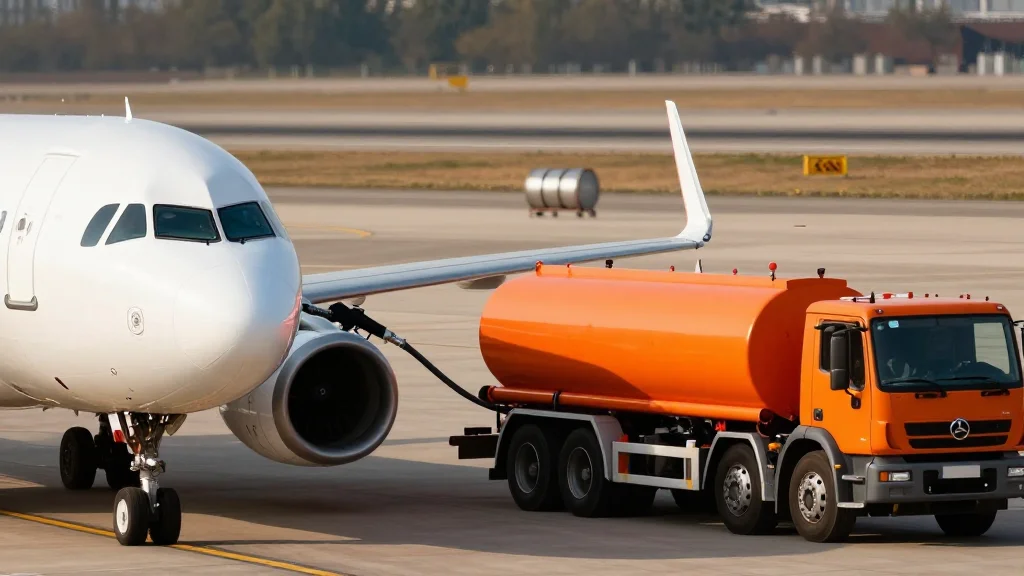
Spanish Airline Reportedly Adding Fuel Surcharge On Existing Bookings As Oil Prices Surge
Key Takeaways
- •Volotea adds €7 (~$7.60) fuel surcharge to existing tickets.
- •Surcharge triggered by rising oil prices after Strait of Hormuz closure.
- •Airline’s “Fair Price Promise” permits post‑booking price adjustments.
- •Industry trend: carriers shifting fuel cost risk to passengers.
- •Higher fees may persist even if fuel prices later normalize.
Pulse Analysis
The recent spike in crude oil prices stems largely from geopolitical tension in the Middle East, notably the prolonged shutdown of the Strait of Hormuz—a chokepoint that moves roughly a fifth of global oil shipments. With supply constraints tightening, jet fuel costs have surged, pressuring airlines’ operating margins. Volotea’s decision to levy a €7 fuel surcharge on already‑confirmed bookings illustrates how even low‑cost carriers are feeling the squeeze and are turning to transparent, pass‑through fees to protect profitability.
Volotea leans on its “Fair Price Promise,” a contractual clause that permits price adjustments after a ticket is sold if fuel expenses change materially. While the airline’s terms are legally sound, the practice raises consumer‑rights questions, especially as passengers are accustomed to fixed fares at the point of purchase. Similar strategies have emerged in Asia, where carriers add surcharges to new bookings, and in the U.S., where baggage fees have risen. The key distinction here is the retroactive application—charging travelers after they have already paid—making Volotea’s approach a noteworthy case study in airline pricing transparency.
For investors and industry watchers, the broader implication is a potential shift toward more dynamic fare structures that embed fuel‑cost volatility directly into the consumer price. If fuel prices stabilize, airlines may retain elevated base fares or ancillary fees, as hinted by Delta’s CEO during the Q1 2026 earnings call. This could lead to a new baseline of higher travel costs, prompting airlines to balance short‑term revenue protection with long‑term brand loyalty and regulatory scrutiny.
Spanish Airline Reportedly Adding Fuel Surcharge On Existing Bookings As Oil Prices Surge
Comments
Want to join the conversation?