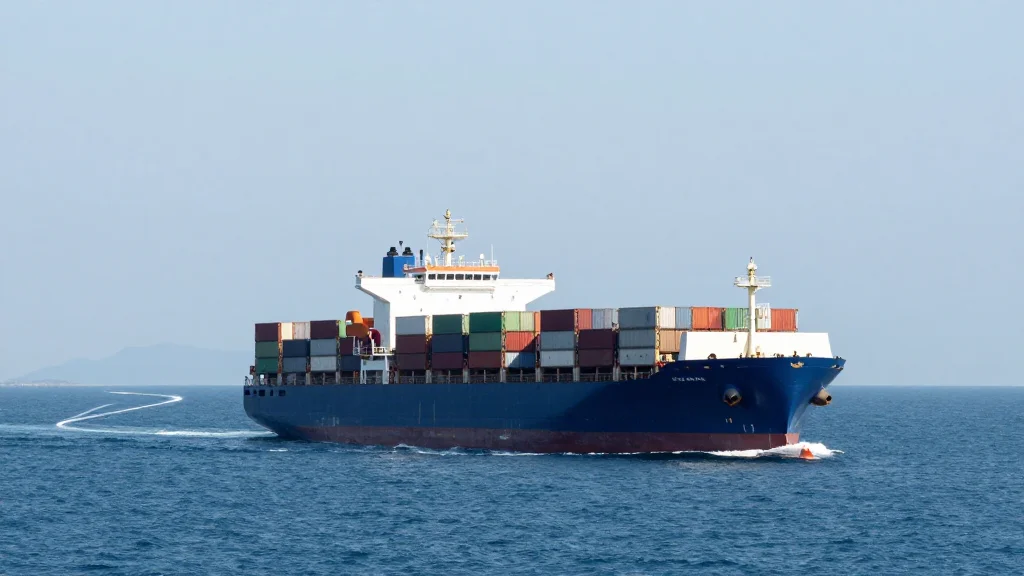
34,000 Shipping Routes Diverted From Hormuz Disruption: Report
Why It Matters
The prolonged Hormuz disruption is reshaping global shipping networks, inflating freight costs and pressuring port infrastructure across Asia and the Middle East.
Key Takeaways
- •34,000 vessels rerouted in first month of Hormuz disruption
- •Week 4 saw peak diversions, no return to baseline
- •Saudi Arabia, Singapore, India become primary diversion ports
- •Indian Navi Mumbai dwell time doubled to 23.5 days
- •Container rates rise as East‑West congestion intensifies
Pulse Analysis
The February attack on Iran triggered an unprecedented diversion of maritime traffic through the Strait of Hormuz, a chokepoint that moves a modest share of global container volumes but a critical slice of crude oil. While the immediate fallout stalled about one‑fifth of worldwide oil supply, the ripple effect on dry‑bulk and container lanes has been equally severe. Carriers, faced with sudden bottlenecks, have been compelled to chart longer routes across the Indian Ocean, inflating fuel consumption and exposing vessels to heightened operational risk.
Project44’s latest report highlights a structural shift rather than a temporary detour. Ports that previously played peripheral roles—Saudi Arabia’s Jeddah, Singapore’s terminals, and India’s Jawaharlal Nehru Port in Navi Mumbai—are now handling transshipment volumes they were never designed for. Dwell times at Navi Mumbai have more than doubled to 23.5 days, and congestion is spilling over into Chinese and other Southeast Asian hubs, pushing east‑west freight rates upward as carriers scramble for capacity. The surge in alternative routing underscores a broader reconfiguration of global supply chains, with carriers rebuilding networks faster than port upgrades can keep pace.
Looking ahead, the industry may confront a new norm of toll‑based passage, as Iran and Oman explore fee structures similar to the Suez Canal. Meanwhile, U.S. regulators continue to deny emergency surcharge waivers, leaving shippers to absorb higher bunker costs. The confluence of geopolitical tension, port strain, and rising freight premiums suggests that the Hormuz disruption will have lasting implications for trade flows, pricing dynamics, and investment decisions in maritime infrastructure.
34,000 shipping routes diverted from Hormuz disruption: Report
Comments
Want to join the conversation?
Loading comments...