5 Low-Key Luxury Car Brands That Aren't Mercedes Or BMW
Companies Mentioned
Why It Matters
These under‑the‑radar luxury marques expand consumer choice, pressure established German brands, and accelerate the shift toward electrified premium vehicles.
Key Takeaways
- •Volvo's 2025 XC90 PHEV matches German SUVs in comfort and efficiency
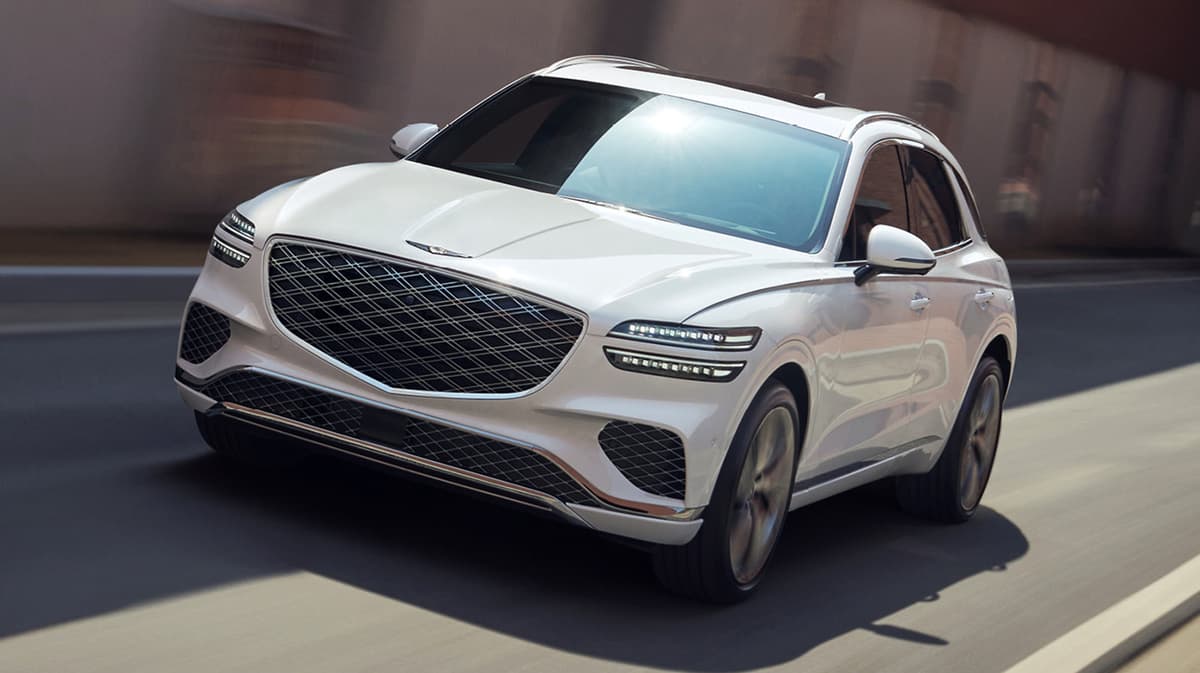
- •Genesis GV70 adds tech upgrades, while GV60 electric offers 306‑mile range
- •Acura provides reliable, understated luxury; RDX praised despite infotainment quirks
- •Polestar's all‑electric 3 and 4 deliver premium performance but suffer software glitches
- •Mazda CX‑90 offers Nappa leather, Bose audio at $60‑63K, rivaling entry‑luxury SUVs
Pulse Analysis
Even as luxury badges remain status symbols, a growing segment of affluent buyers is gravitating toward brands that deliver premium experiences without the flash of a German emblem. Security‑conscious consumers and those wary of stereotypical expectations value discretion, prompting manufacturers like Volvo and Genesis to emphasize safety, understated Scandinavian design, and cutting‑edge tech. This trend dovetails with broader market dynamics where electrification and sustainability are reshaping buyer priorities, allowing quieter marques to capture attention through innovation rather than heritage alone.
Volvo leverages its reputation for safety and efficiency, offering the 2025 XC90 plug‑in hybrid that rivals the comfort of a Mercedes‑GLE while delivering lower operating costs. Genesis, Hyundai’s upscale offshoot, pushes the envelope with the GV70’s refreshed cabin and the GV60’s 306‑mile electric range, positioning itself as a tech‑forward alternative to the BMW X3. Acura maintains its Japanese reliability pedigree, delivering refined interiors in the RDX and MDX despite occasional infotainment hiccups. Meanwhile, Polestar’s all‑electric 3 and 4 models showcase Scandinavian minimalism and performance on par with luxury EVs, though software stability remains a hurdle. Mazda’s CX‑90 proves that premium touches—Nappa leather, Bose sound—can be offered at a $60‑63K price point, directly challenging entry‑level European SUVs.
The rise of these low‑key luxury players forces traditional German manufacturers to reassess their value propositions, especially as consumers weigh badge prestige against tangible benefits like fuel efficiency, reliability and cutting‑edge electrified powertrains. As electrification accelerates, brands that can blend understated design with robust EV offerings stand to capture market share from legacy players. For investors and industry watchers, the expanding portfolio of discreet luxury options signals a diversification of the premium segment, where performance, technology and brand perception intersect in new, less conspicuous ways.
5 Low-Key Luxury Car Brands That Aren't Mercedes Or BMW
Comments
Want to join the conversation?
Loading comments...