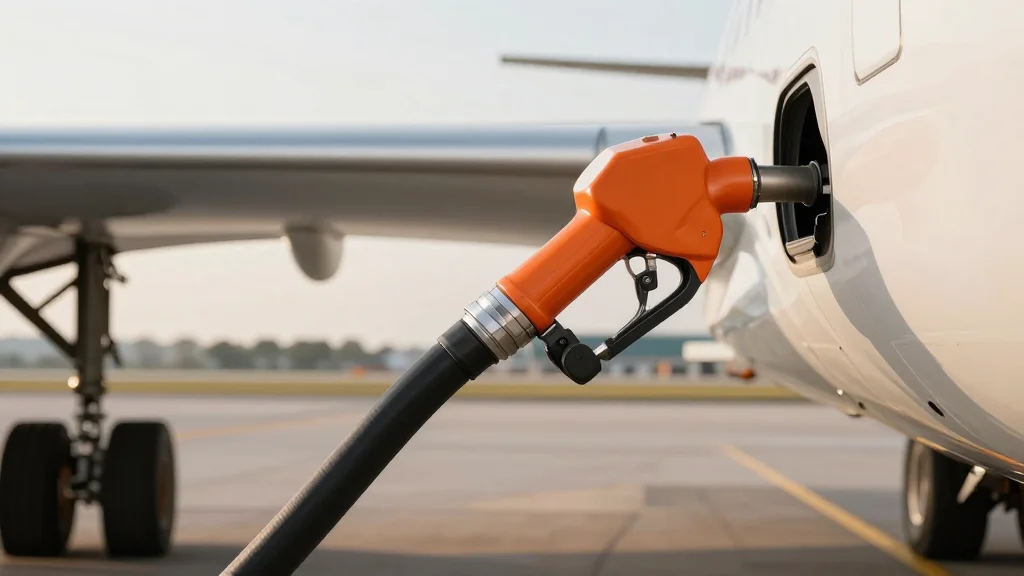
Airline and Travel Industries See No Immediate Relief From Iran Ceasefire
Why It Matters
Escalating fuel expenses threaten airline profitability and could delay broader travel recovery, while the ceasefire's limited impact underscores the strategic importance of the Strait of Hormuz for global aviation supply chains.
Key Takeaways
- •Jet fuel costs doubled despite oil price dip
- •Delta adds $2 bn fuel expense, cuts capacity
- •Airline stocks rally, but recovery remains months away
- •Cruise ships stranded; tourism sector faces seven‑month sentiment lag
- •Strait of Hormuz remains supply bottleneck for months
Pulse Analysis
The brief ceasefire between the United States and Iran has offered only a temporary reprieve for the aviation sector, which remains hostage to the chokepoint of the Strait of Hormuz. Even though oil prices slipped below $100 a barrel after the truce, jet‑fuel prices have more than doubled, reflecting lingering refinery outages and constrained tanker flows. Analysts at IATA warn that restoring jet‑fuel throughput will take months, as the region’s refining capacity was heavily damaged during the conflict. Consequently, airlines continue to grapple with a cost structure where fuel now represents roughly 27% of operating expenses, a sharp rise from pre‑crisis levels.
Airlines are translating the fuel shock into immediate balance‑sheet actions. Delta Air Lines disclosed a $2 billion hit to its second‑quarter earnings and announced a network-wide capacity reduction to preserve cash flow. Other carriers have followed suit, trimming routes and postponing fleet deliveries. Despite these defensive moves, equity markets reacted positively; shares of Qantas, Air New Zealand, Cathay Pacific and European giants such as Lufthansa and Air France‑KLM surged between 5% and 14% on the news of a potential safe passage. Investors appear to view the ceasefire as a buying opportunity, betting that quality airlines will emerge stronger once supply normalizes.
The ripple effects extend beyond airlines to the broader tourism ecosystem. TUI’s two cruise vessels remain idle in Abu Dhabi and Doha, with a minimum four‑week turnaround before they can resume itineraries, highlighting the operational lag in the cruise segment. The Middle‑East travel market, valued at roughly $367 billion, faces a protracted sentiment recovery; economists estimate a seven‑month “tail” of reduced traveler confidence even after the strait reopens. As safety perceptions gradually improve, ancillary sectors such as hotels, ground transport, and destination marketing will likely see a staggered rebound, underscoring the need for coordinated industry and policy responses.
Airline and travel industries see no immediate relief from Iran ceasefire
Comments
Want to join the conversation?
Loading comments...