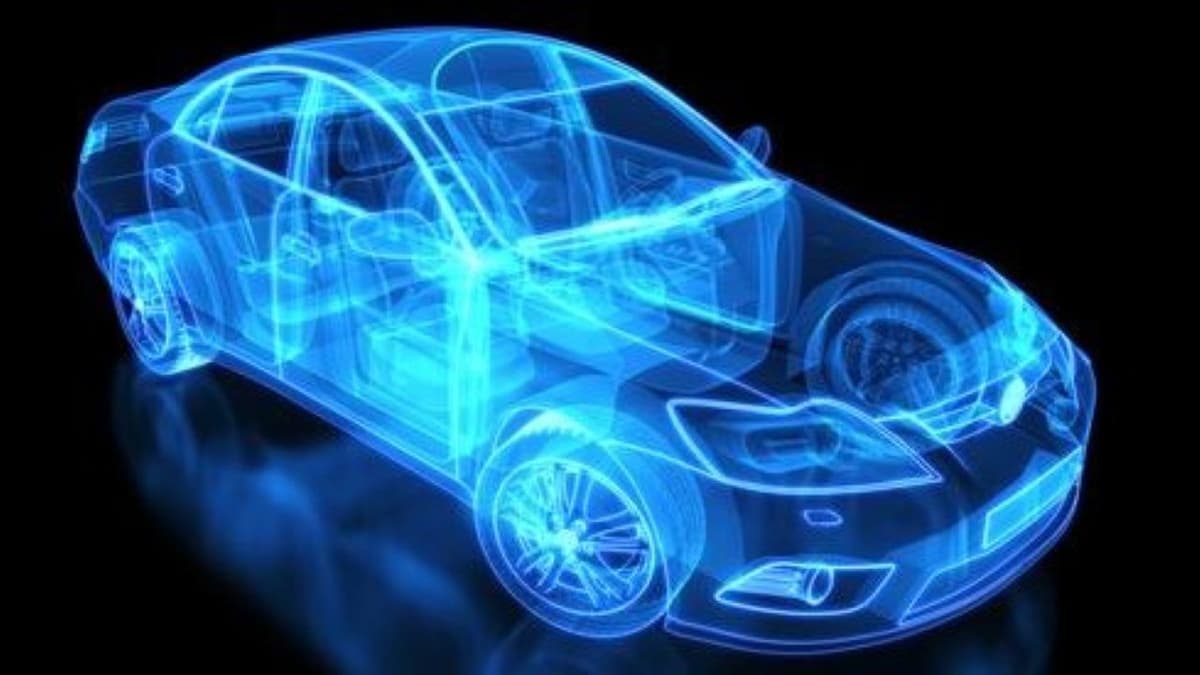
Automotive Cybersecurity Threats Grow in Era of Connected, Autonomous Vehicles
Why It Matters
Escalating cyber risks threaten driver safety and brand reputation, prompting global regulatory action. Securing the software stack is essential for the commercial viability of autonomous mobility.
Key Takeaways
- •Connected cars increase attack surface dramatically
- •Millions of code lines per vehicle complicate security
- •UN Regulation 155 mandates cybersecurity assessments worldwide
- •AI and post‑quantum encryption will shape future defenses
- •OEMs invest heavily in autonomous vehicle security
Pulse Analysis
The automotive sector has transformed from mechanical engineering to a complex software ecosystem, where infotainment, telematics, and driver‑assist modules communicate over wireless links. The 2015 Jeep Cherokee breach demonstrated that remote exploitation can move from climate control to steering, igniting industry‑wide awareness of digital vulnerabilities. Today, each vehicle contains several million lines of code, often sourced from a sprawling supplier network, creating a fragmented attack surface that cybercriminals can probe through over‑the‑air updates or compromised mobile apps.
Regulators have responded by codifying security expectations. UN Regulation No. 155, now adopted by 63 nations including the EU, UK, Japan, and South Korea, obliges manufacturers to conduct formal cybersecurity assessments and maintain protective measures for the vehicle’s 10‑ to 15‑year lifespan. Compliance forces OEMs to audit third‑party code, implement secure development lifecycles, and document risk‑mitigation strategies—tasks complicated by the sheer volume of software and the scarcity of engineers fluent in both automotive design and cyber defense. The regulation also introduces penalties for non‑compliance, pushing the industry toward standardized testing and certification frameworks.
Looking ahead, artificial intelligence and post‑quantum cryptography will redefine defensive postures. AI can detect anomalous vehicle behavior in real time, while quantum‑resistant algorithms aim to protect long‑term data integrity against future decryption threats. Major manufacturers, exemplified by Volkswagen’s heightened security budget, are forging partnerships with cybersecurity firms and investing in in‑house talent to stay ahead of evolving threats. As autonomous driving expands, robust cyber hygiene will become a market differentiator, influencing consumer trust, insurance premiums, and ultimately, the profitability of next‑generation mobility solutions.


Comments
Want to join the conversation?
Loading comments...