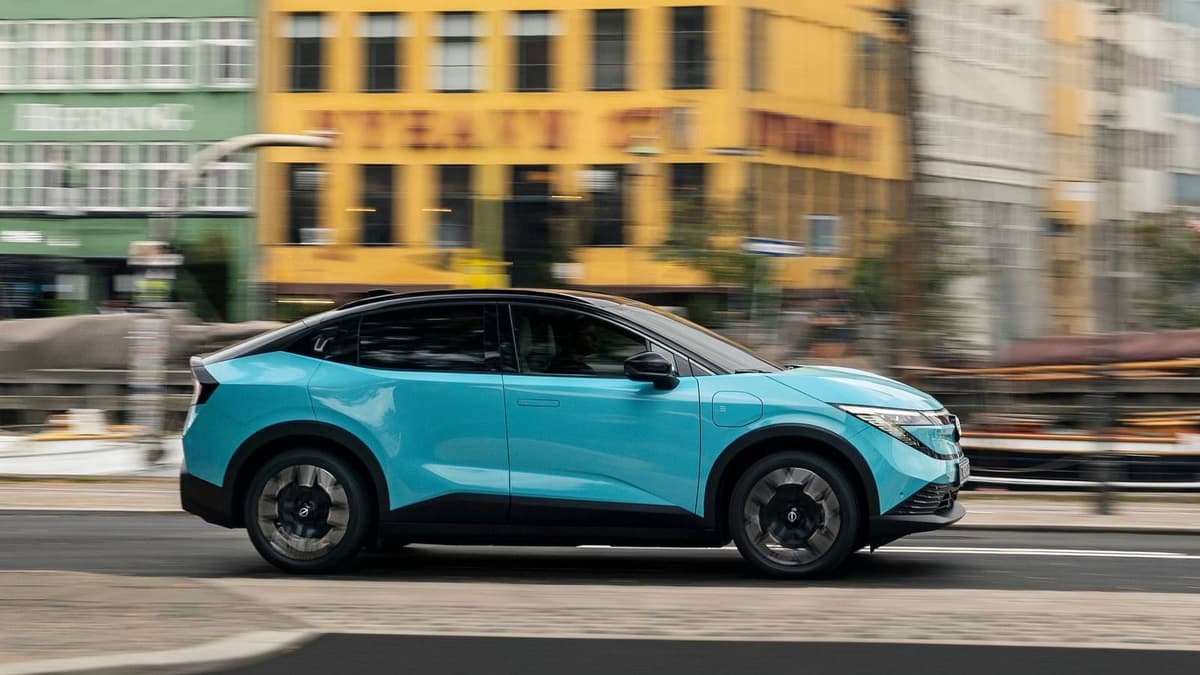
Cheap to Buy and Cheap to Own: This EV Will Actually Save You Money
Companies Mentioned

Why It Matters
The Leaf proves that an electric vehicle can deliver real‑world cost savings without a premium price tag, accelerating mainstream EV adoption among price‑sensitive consumers.
Key Takeaways
- •2026 Nissan Leaf starts under $30,000, beating most EV rivals.
- •S+ trim offers 303‑mile EPA range with 75 kWh battery.
- •EPA predicts $7k‑$7.5k fuel savings over five years.
- •Ten‑year maintenance costs $3,217, $1,658 below average hatchback.
- •Battery warranty covers 8 years or 100,000 miles.
Pulse Analysis
In a market where many electric models command six‑figure price tags, Nissan’s 2026 Leaf stands out by pairing a sub‑$30,000 starting price with crossover practicality. The shift from a traditional hatchback to a slightly larger body style broadens its appeal without sacrificing the brand’s hallmark affordability. This pricing strategy not only undercuts rivals such as the Kia Niro and Volvo EX30 but also challenges the perception that EV ownership is a luxury reserved for high‑income buyers. By offering a well‑equipped base model—including a 12.3‑inch infotainment screen and wireless smartphone integration—Nissan delivers value that rivals many conventional gasoline cars.
Beyond the sticker price, the Leaf’s operating economics reinforce its cost‑lead advantage. The 75‑kWh battery enables a 303‑mile EPA range on the S+ trim, a notable improvement that eases range‑anxiety for daily commuters. EPA estimates suggest owners will save between $7,000 and $7,500 in fuel costs over five years compared with an average new vehicle. Maintenance expenses are equally compelling: CarEdge projects ten‑year upkeep at $3,217, roughly $1,658 less than the average compact hatchback. Coupled with an industry‑standard three‑year limited warranty, a five‑year powertrain guarantee, and an eight‑year battery warranty, the Leaf minimizes unexpected out‑of‑pocket costs throughout its lifecycle.
The Leaf’s formula of low acquisition cost, strong efficiency, and generous warranty coverage could reshape consumer expectations for entry‑level EVs. As automakers race to introduce higher‑priced, feature‑rich models, Nissan demonstrates that a pragmatic approach still resonates, especially among cost‑conscious shoppers. This may pressure competitors to revisit pricing structures or enhance warranty terms to remain viable. Ultimately, the 2026 Leaf illustrates how affordability and reliability can coexist in the electric era, potentially accelerating broader market penetration and supporting policy goals aimed at reducing transportation emissions.
Cheap to buy and cheap to own: This EV will actually save you money
Comments
Want to join the conversation?
Loading comments...