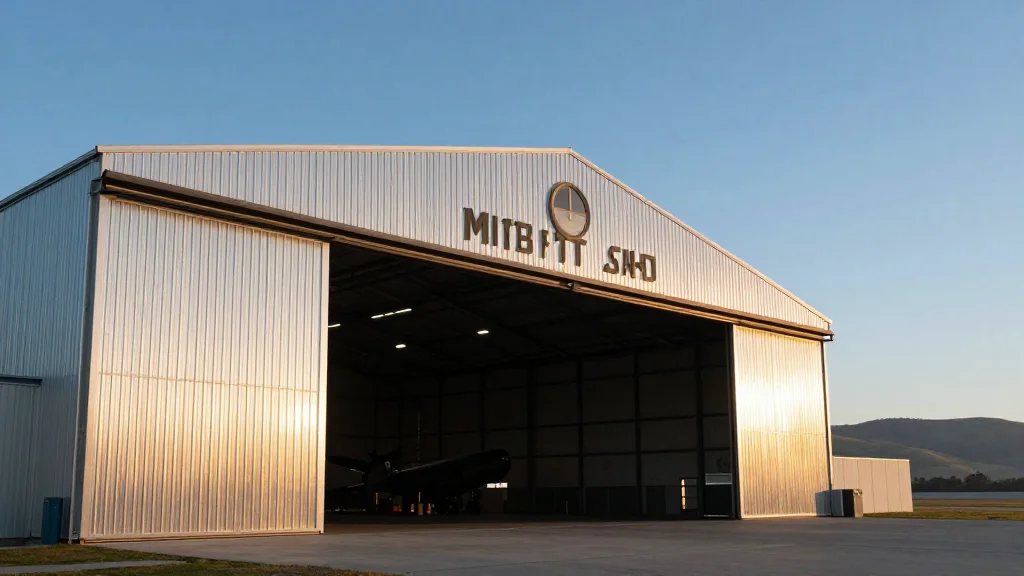
Google's Restoration of the Mammoth Hangar One Now Complete
Companies Mentioned
Why It Matters
The deal secures a unique, large‑scale test environment for Google’s aerospace and robotics ambitions while preserving a landmark, illustrating how private capital can revive public heritage assets.
Key Takeaways
- •Google secured 60‑year lease for Moffett Field at $1.16 B
- •Restoration removed PCBs, asbestos, lead, meeting EPA standards
- •Hangar One offers unique volume for drone and airship testing
- •Google must create public educational facility per lease
- •Project cost over $200 M, preserving historic architecture
Pulse Analysis
Hangar One’s revival marks a rare convergence of historic preservation and high‑tech ambition. Built in 1933 to house the USS Macon airship, the 8‑acre, 198‑foot‑high structure has survived naval, NASA, and community stewardship. Decades of contamination forced its closure in 2003, prompting a coalition of preservationists to fight demolition. Google’s $1.16 billion lease, coupled with a $200 million restoration commitment, transformed the derelict skeleton into a certified, EPA‑cleared facility, restoring its iconic silver‑aluminum façade while retaining the original engineering spirit.
For Google, the restored Hangar One is more than a trophy; it is a strategic asset. The cavernous interior can accommodate full‑scale drone swarms, high‑altitude balloons, and prototype aircraft, offering a testing ground unavailable to most competitors. Situated just four miles from Google’s Mountain View headquarters, the site provides a secure, federally owned airfield that can support long‑term R&D in space exploration, autonomous aviation, and robotics. The fixed‑rate, 60‑year lease locks in a valuable real‑estate position, allowing Google to experiment at scale without the regulatory hurdles typical of commercial airports.
The partnership also signals a broader shift in how tech giants engage with public infrastructure. By shouldering remediation costs and pledging an educational component, Google demonstrates a model where private investment offsets government budget constraints while delivering community benefits. If the promised museum and learning center materialize, Hangar One could become a public showcase of aerospace heritage and future innovation, reinforcing Silicon Valley’s reputation as a hub where history and cutting‑edge technology intersect. The outcome will likely influence future public‑private collaborations on other historic sites nationwide.
Google's restoration of the mammoth Hangar One now complete
Comments
Want to join the conversation?
Loading comments...