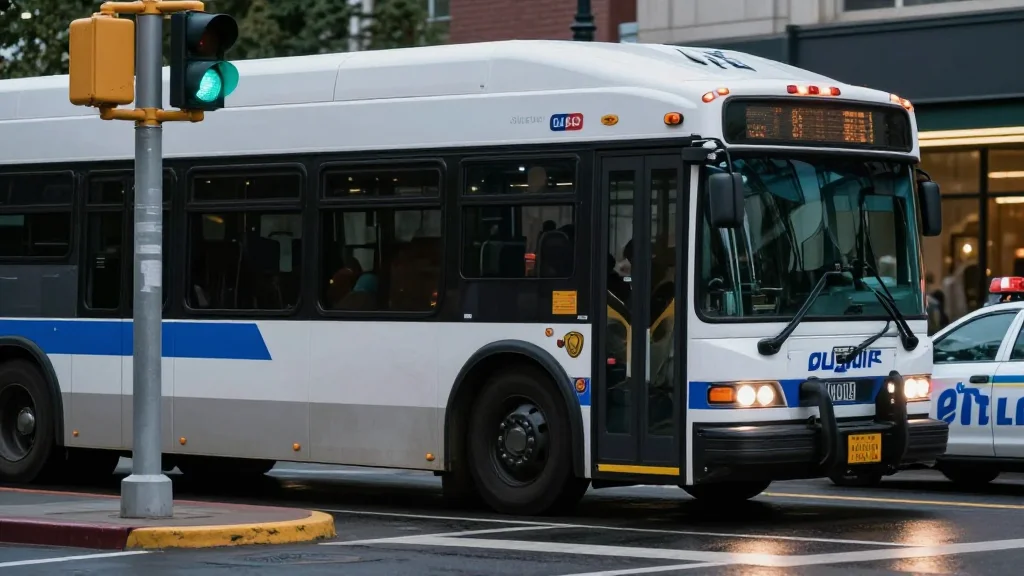
How Cities Can Prepare to Overcome FIFA World Cup Transportation Hurdles
Why It Matters
The World Cup will test city mobility infrastructure, and successful execution can reshape travel habits and showcase U.S. transit capabilities to a global audience.
Key Takeaways
- •LA Metro adds pre‑game buses up to three hours before kickoff.
- •NJ Transit expands BRT line and Meadowlands rail service for seven matches.
- •Agencies plan extra maintenance staff to keep fleets operational during events.
- •Cities coordinate curb zones for taxis, ride‑hail, scooters, and delivery trucks.
- •Real‑time traffic analytics guide police routing and temporary road closures.
Pulse Analysis
The 2026 FIFA World Cup will be the first to span three North American countries, with 11 U.S. cities hosting matches. That geographic spread creates a logistical puzzle: millions of international visitors will converge on stadiums that sit amid daily commuter corridors. Transit agencies are therefore treating the tournament as a city‑wide stress test, deploying additional buses, extending rail hours, and even borrowing vehicles from neighboring districts. By front‑loading service—starting buses three hours before a match and keeping them running well after kickoff—operators hope to disperse crowds evenly and reduce peak‑hour bottlenecks.
Beyond sheer capacity, agencies are focusing on reliability and passenger experience. Maintenance crews are being positioned strategically at key stations and along bus routes to perform rapid, preventative repairs, ensuring fleets stay on the road. Simultaneously, cities are redesigning curb space to prioritize taxis, ride‑hail, scooters, and delivery trucks, mitigating the risk of gridlock in high‑traffic zones. Real‑time traffic data, supplied by firms like Urban SDK, feeds directly to law‑enforcement and traffic‑management centers, allowing officials to dynamically adjust road closures, reroute emergency vehicles, and keep pedestrian pathways clear. This data‑driven approach not only eases congestion but also provides a template for future large‑scale events.
The broader impact could be lasting. A seamless, pleasant transit experience during the World Cup may persuade occasional riders to adopt public transportation as a regular habit, supporting sustainability goals and reducing urban congestion long after the final whistle. Moreover, the technological upgrades and inter‑agency collaborations forged now will strengthen the U.S. transit ecosystem, positioning it to host future mega‑events with confidence. The World Cup thus serves as both a showcase and a catalyst for enduring improvements in American urban mobility.
How cities can prepare to overcome FIFA World Cup transportation hurdles
Comments
Want to join the conversation?
Loading comments...