How Thieves Move $1m in Freight Before Anyone Realizes It
Why It Matters
The rapid movement of stolen freight into secondary markets erodes retailer margins and inflates insurance costs, while exposing systemic gaps in freight security. Implementing tighter carrier vetting and product traceability can mitigate these financial and reputational risks.
Key Takeaways
- •$1M merchandise stolen, quickly entered resale channels
- •50+ pallets seized from staging warehouse
- •High‑value freight needs separate risk‑based workflow
- •Unsecured load data enables hijacking before pickup
- •Product-level serialization slows secondary‑market liquidation
Pulse Analysis
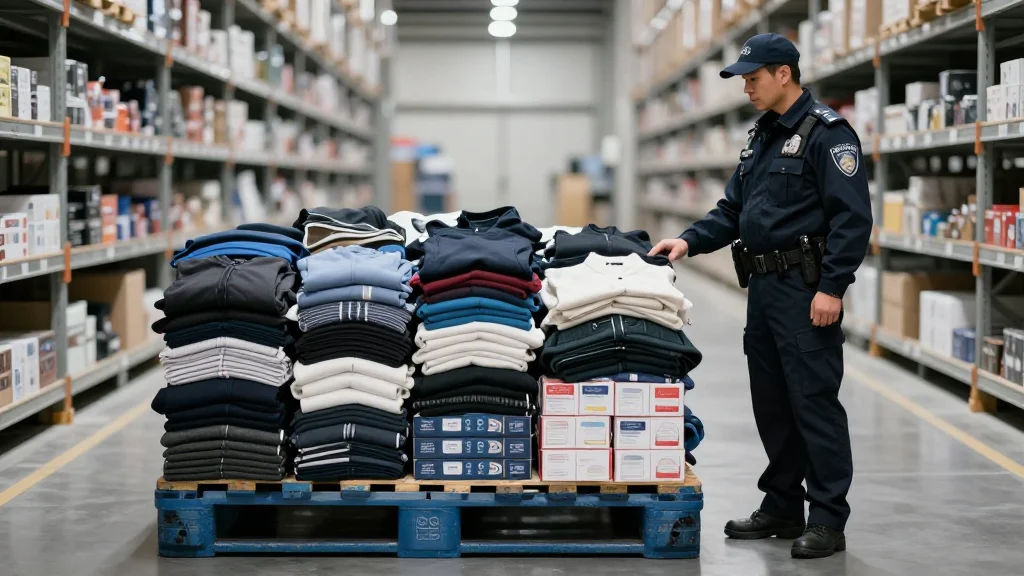
The Los Angeles bust shines a light on a growing class of organized retail theft that treats freight as a pre‑packaged commodity rather than an after‑theft problem. By seizing more than $1 million worth of merchandise—ranging from Alo apparel to Skims underwear—authorities revealed a pipeline that moved 50‑plus pallets through a staging facility and onto live‑stream e‑commerce platforms within hours. This speed is enabled by digital resale channels that can list, market, and ship stolen items faster than traditional claims processes, turning a single breach into a multi‑million‑dollar loss before insurers even notice.
The vulnerability originates long before a truck leaves the dock. Load details such as rate confirmations and pickup numbers are often exchanged via unsecured emails or messaging apps, giving opportunistic actors the exact data needed to impersonate carriers or divert shipments. When high‑value, high‑liquidity freight follows the same routing rules as low‑risk parcels, the risk profile escalates dramatically. A risk‑based workflow—tightening carrier vetting, limiting exposure to unknown parties, and requiring separate identity checks at each handoff—creates the first line of defense against early control loss.
Mitigating the threat also demands greater traceability. Serialized tags, batch identifiers, and real‑time GPS visibility add friction to secondary‑market liquidation, making stolen goods harder to blend into legitimate inventory. Coupled with mandatory verification at pickup, these measures shift the burden from post‑theft recovery to proactive prevention. As retailers and logistics providers adopt these controls, they not only protect profit margins but also reinforce supply‑chain resilience, sending a clear signal that the industry will not tolerate a loophole that lets thieves move $1 million in freight unnoticed.
How thieves move $1m in freight before anyone realizes it
Comments
Want to join the conversation?
Loading comments...