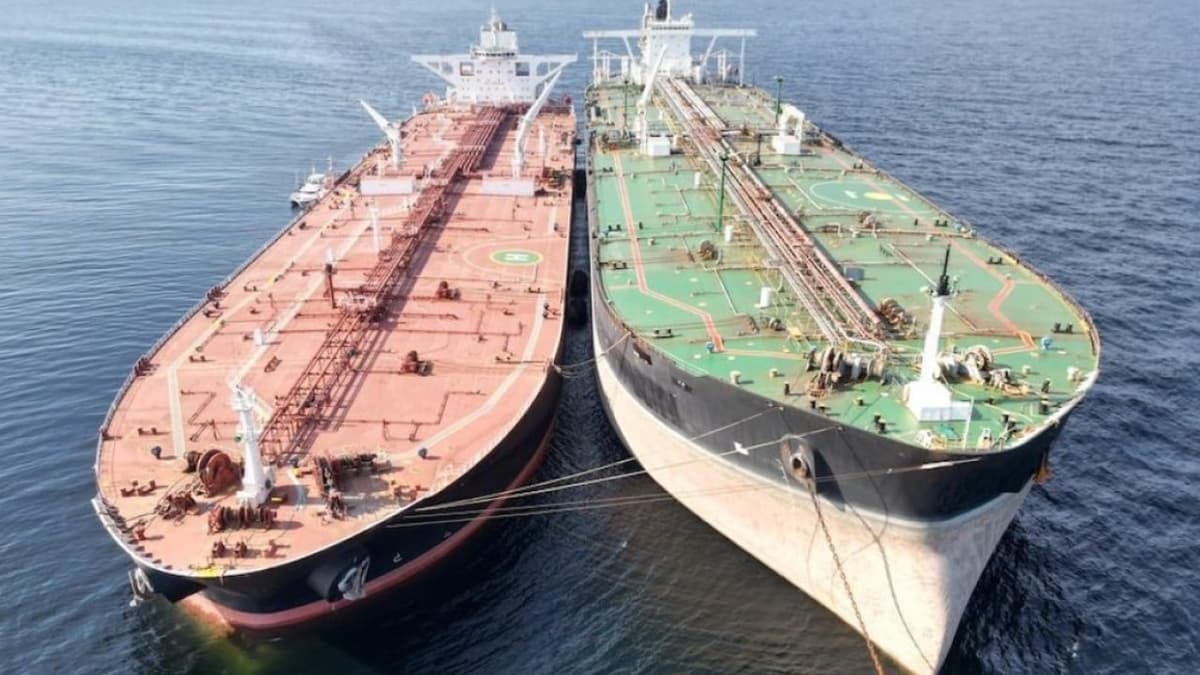
Malaysia Seizes US$1.37 Million Worth of Diesel in Illegal Fuel Transfer Off Penang
Why It Matters
The seizure curtails illicit fuel flows that exacerbate regional shortages and deprives governments of tax revenue, while demonstrating Malaysia’s resolve to tighten maritime security. It also sends a warning to organized smuggling networks operating in Southeast Asian waters.
Key Takeaways
- •MMEA seized 800,000 L diesel valued at US$1.37 M.
- •Two tankers detained after intelligence tip flagged illegal ship‑to‑ship transfer.
- •22 crew members from five nations arrested during the operation.
- •Incident highlights Malaysia’s crackdown on fuel smuggling amid regional shortages.
Pulse Analysis
The recent interception of two tankers off Penang illustrates how ship‑to‑ship diesel transfers have become a linchpin for illicit fuel networks in Southeast Asia. Smugglers use these covert operations to mask the origin of diesel, evade customs duties, and flood markets with cheaper, unregulated product. By acting on a timely intelligence tip, Malaysia’s Maritime Enforcement Agency not only seized US$1.37 million worth of fuel but also disrupted a supply chain that could have amplified the region’s existing diesel scarcity, which has been aggravated by supply chain shocks from the Middle‑East war.
Malaysia’s enforcement strategy reflects a broader regional trend where governments are tightening oversight of maritime oil movements. Since July 2023, the country has pledged stricter penalties for illegal transfers, and the Penang seizure follows a similar February incident involving crude oil. The arrest of 22 crew members—spanning Malaysia, Myanmar, Russia, the Philippines, and Indonesia—highlights the multinational nature of these operations and the need for coordinated intelligence sharing among neighboring states. Such actions aim to protect legitimate market participants and preserve tax revenues that are vital for public services.
For the global energy market, curbing illicit diesel flows can stabilize local pricing and reduce the risk of fuel shortages that ripple through manufacturing and logistics sectors. It also reinforces the importance of maritime governance in safeguarding energy security. As demand for cleaner Euro 5 diesel rises, regulators will likely increase surveillance technologies and legal frameworks to deter smuggling, ensuring that legitimate trade channels remain transparent and competitive.
Malaysia seizes US$1.37 million worth of diesel in illegal fuel transfer off Penang
Comments
Want to join the conversation?
Loading comments...