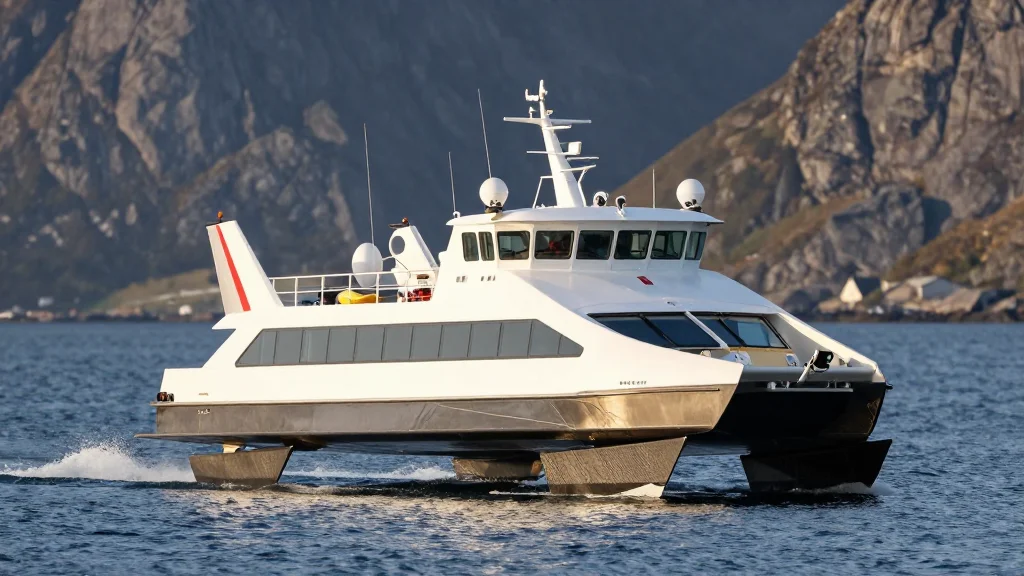
Norway Just Ordered 20 ‘Flying’ Electric Ferries in Historic Deal
Why It Matters
The order accelerates the shift from diesel to zero‑emission maritime transport, showcasing a scalable solution for high‑speed routes where grid charging has been a barrier. It positions Norway as a testbed for global adoption of electric hydrofoil ferries.
Key Takeaways
- •Boreal orders 20 Candela P‑12 hydrofoil ferries
- •Hydrofoils cut energy use by ~80% versus diesel
- •25‑knot speed, 25 passengers, 40‑nm range on battery
- •One‑hour charge using standard DC fast chargers
- •Deal marks largest electric hydrofoil fleet globally
Pulse Analysis
Norway’s aggressive push into electric maritime transport reflects a broader national strategy that has already transformed road travel. The country’s rugged coastline and dispersed fjord communities have long depended on diesel‑powered “hurtigbåtar,” but limited shore‑side power infrastructure made high‑speed electrification seem out of reach. Candela’s P‑12 hydrofoil design sidesteps this hurdle by lifting the hull out of the water, dramatically reducing drag and allowing a modest battery pack to deliver diesel‑comparable performance. This engineering breakthrough aligns with Norway’s extensive network of DC fast chargers, originally deployed for electric cars, creating a seamless charging ecosystem for vessels.
From a business perspective, the 20‑vessel contract signals that electric hydrofoils have moved beyond pilot projects into mainstream transit planning. Operators can now offer passengers a quiet, smooth ride at 25 knots while avoiding the high capital outlays associated with megawatt‑scale dock chargers. The one‑hour recharge cycle means vessels can maintain tight schedules without extensive downtime, improving fleet utilization and reducing operating costs. Moreover, the reduced fuel consumption translates into lower emissions and compliance with increasingly stringent European environmental regulations, giving operators a competitive edge in a market that values sustainability.
Globally, Norway’s deployment serves as a proof‑point for other coastal regions grappling with similar diesel dependence. If the P‑12 fleet meets performance expectations, shipbuilders and municipalities worldwide may replicate the model, especially in areas with existing fast‑charging infrastructure. The deal also underscores the importance of policy support; subsidies and carbon pricing can accelerate adoption by offsetting upfront costs. As hydrofoil technology matures and battery densities improve, electric high‑speed ferries could become a standard component of multimodal transport networks, reshaping maritime logistics and tourism alike.
Norway just ordered 20 ‘flying’ electric ferries in historic deal
Comments
Want to join the conversation?
Loading comments...