Safe Evacuation of Ships, Seafarers From the Gulf a Priority
Why It Matters
Restoring safe navigation protects lives and re‑opens a critical chokepoint for global oil and trade flows, reducing the risk of costly maritime incidents that could further destabilize supply chains.
Key Takeaways
- •1,000 vessels, 20,000 seafarers trapped since Feb 28 conflict.
- •14‑day US‑Iran cease‑fire includes reopening Strait of Hormuz.
- •Iran will charge a fee for passage during cease‑fire period.
- •Industry calls for coordinated navigation to prevent accidental attacks.
Pulse Analysis
The sudden closure of the Strait of Hormuz in February sent shockwaves through the maritime sector, stranding an estimated 1,000 vessels and 20,000 crew members in the Gulf. As the world’s narrowest oil conduit, any disruption reverberates across energy markets, freight rates, and insurance premiums. The humanitarian dimension is equally stark: seafarers face prolonged exposure to conflict zones, limited supplies, and heightened safety concerns, prompting industry bodies to lobby for swift diplomatic action.
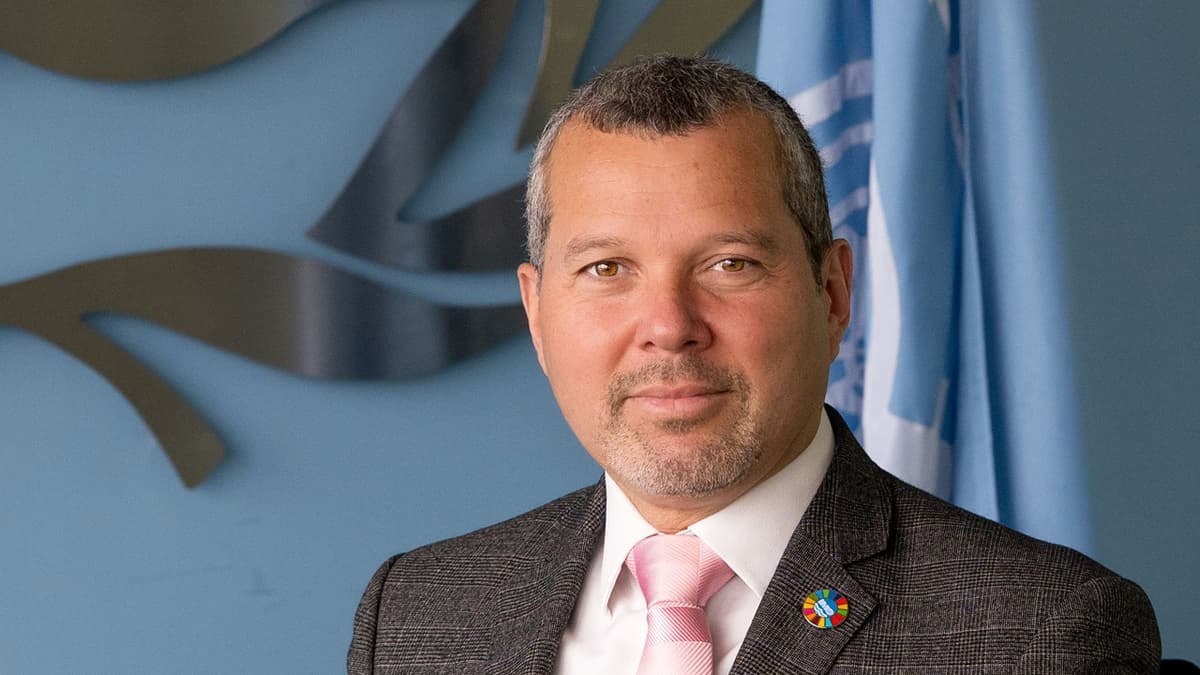
The newly brokered 14‑day cease‑fire between the United States and Iran marks a tentative step toward de‑escalation. Iran’s pledge to reopen the strait—albeit under its own coordination and with a transit fee—offers a practical pathway for vessels to resume passage, provided clear protocols are established. IMO Secretary‑General Arsenio Domínguez is spearheading a joint mechanism involving national navies, port authorities, and shipping associations to certify safe transits. Meanwhile, the International Chamber of Shipping emphasizes the need for transparent communication to prevent misunderstandings that could trigger accidental targeting, especially given Iran’s remaining anti‑ship assets.
Beyond the immediate evacuation, the episode underscores the fragility of maritime security in geopolitically sensitive corridors. A coordinated, multilateral approach to navigation rights—balancing state sovereignty with commercial imperatives—will be essential to safeguard the flow of goods and energy. Stakeholders are watching closely to see whether this cease‑fire can evolve into a longer‑term framework that mitigates future disruptions, reinforces freedom of navigation, and restores confidence among insurers, charterers, and investors alike.
Safe evacuation of ships, seafarers from the Gulf a priority


Comments
Want to join the conversation?
Loading comments...