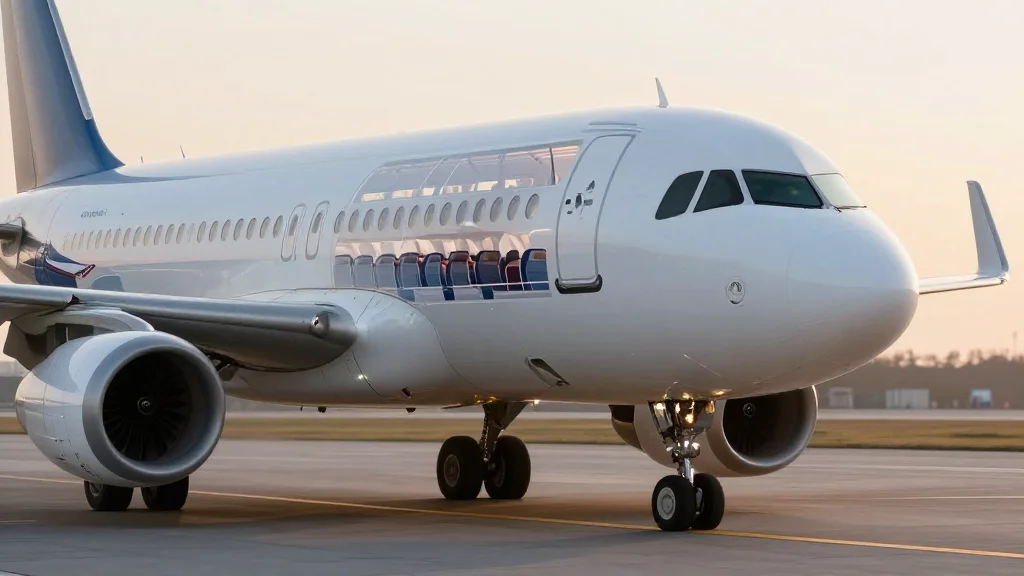
Scoot Tops Cirium’s Global Airline Emissions Efficiency Rankings for 2025
Companies Mentioned
Why It Matters
Scoot’s lead demonstrates that cost‑focused operational efficiencies can deliver world‑class carbon performance, pressuring legacy carriers to accelerate fleet renewal and seat‑density strategies to meet tightening climate expectations.
Key Takeaways
- •Scoot achieved 51 g CO₂ per ASK, lowest globally
- •High seat density (242 seats) and 2,157 km average sectors boost efficiency
- •Low‑cost carriers occupy top five emissions‑efficient airlines worldwide
- •Younger fleets and dense seating consistently lower airline emissions
- •Korean Air cut long‑haul emissions 27.4% using next‑gen aircraft
Pulse Analysis
Cirium’s EmeraldSky rankings have become a benchmark for measuring airline carbon intensity, using CO₂ per available seat kilometre (ASK) as the industry standard. By evaluating the 100 largest carriers, the study provides investors, regulators, and passengers a transparent view of how airlines translate fleet composition and route structures into emissions outcomes. The 2025 report, independently assured by PwC, underscores a growing consensus that emissions efficiency is now a core competitive metric, alongside traditional cost and network considerations.
Scoot’s ascent to the top spot is rooted in a deliberate low‑cost model that maximizes seat density while extending average flight lengths. Packing 242 seats onto each aircraft spreads the carbon cost of each flight across more passengers, and longer sectors reduce the per‑kilometre fuel burn associated with take‑off and landing cycles. Singapore’s supportive regulatory environment and access to modern, fuel‑efficient aircraft further amplify these gains, allowing Scoot to deliver a 51‑gram CO₂/ASK figure that outperforms even legacy carriers with newer fleets. This operational blueprint illustrates how airlines can achieve sustainability without sacrificing profitability.
The broader implication is a clear industry signal: younger fleets, higher seat counts, and optimized route planning are the new levers for emissions reduction. Low‑cost carriers, already accustomed to cost discipline, are leveraging these levers to claim the top efficiency rankings, nudging full‑service airlines to reconsider legacy aircraft and cabin layouts. As investors increasingly factor ESG performance into valuations, airlines that fail to adopt dense seating configurations or accelerate fleet renewal risk falling behind both financially and reputationally. The next wave of rankings will likely reward carriers that combine technological upgrades with strategic network redesigns, cementing emissions efficiency as a decisive factor in airline competitiveness.
Scoot tops Cirium’s global airline emissions efficiency rankings for 2025
Comments
Want to join the conversation?
Loading comments...