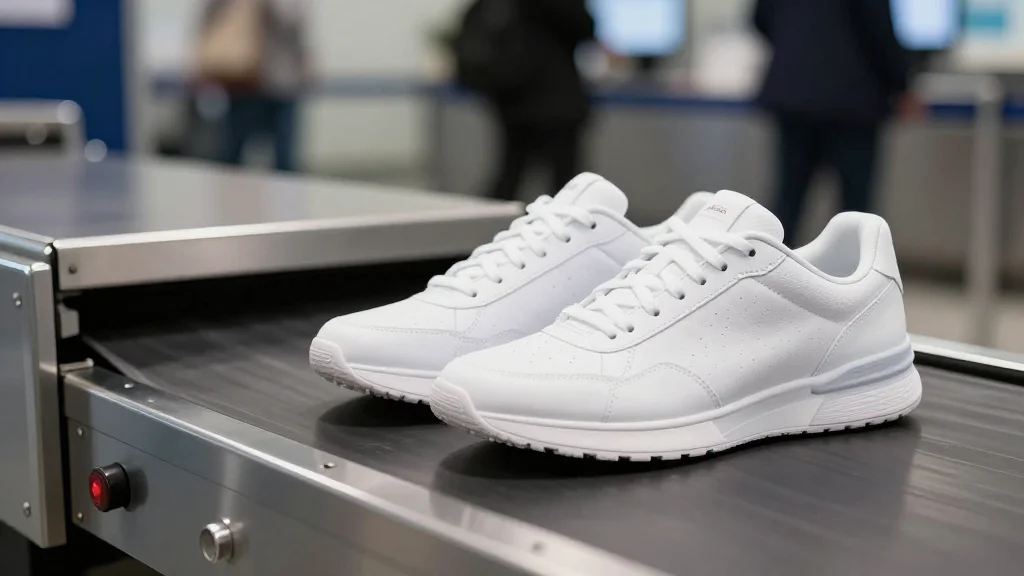
Sen. Tammy Duckworth Urges DHS to Reinstate TSA’s Shoes‑off Rule Amid Security Concerns

Why It Matters
Reinstating the shoes‑off rule would directly affect the passenger experience at U.S. airports, potentially lengthening wait times but restoring a procedural safeguard that many security experts view as a critical line of defense. The debate also signals how DHS balances technology investments against proven, low‑tech screening methods, a question that will shape future security infrastructure spending. With major international events on the horizon, the policy’s outcome could influence the United States’ reputation for both safety and efficiency in air travel. Beyond immediate operational concerns, the clash between Duckworth and Noem reflects a broader partisan divide over how aggressively security measures should be enforced. The resolution may set a precedent for how quickly the agency can adapt or revert policies in response to emerging threats, impacting the overall resilience of the nation’s transportation security framework.
Key Takeaways
- •Sen. Tammy Duckworth urges DHS to reinstate the TSA shoes‑off rule, calling its removal reckless.
- •Former Secretary Kristi Noem argues the change will cut passenger wait times while maintaining security.
- •A DHS watchdog report found airport scanners unable to reliably screen footwear.
- •The policy, in place since 2006, was originally introduced after the 2001 shoe‑bomber incident.
- •Decisions will affect airport operations ahead of America 250 celebrations and the World Cup.
Pulse Analysis
The shoes‑off debate underscores a classic security dilemma: whether to rely on evolving technology or retain proven, manual screening steps. While Noem’s confidence in scanner capabilities aligns with a broader push for efficiency, the DHS watchdog’s findings suggest that the technology has not yet reached parity with the tactile inspection that shoe removal provides. Historically, procedural safeguards like shoe removal have acted as a low‑cost, high‑visibility deterrent, reinforcing public confidence even when the actual risk is low.
From a market perspective, airlines and airport concessionaires stand to lose if checkpoint delays increase, potentially eroding revenue from ancillary services. However, a security breach would have far more severe financial and reputational consequences. The tension between Duckworth and Noem may force DHS to allocate additional funds toward scanner upgrades or hybrid screening models that combine rapid technology with selective shoe removal for higher‑risk passengers.
Looking ahead, the outcome will likely influence legislative oversight of TSA’s budget and operational autonomy. If Congress backs Duckworth’s stance, we could see a resurgence of procedural mandates across other screening domains, prompting a re‑evaluation of the cost‑benefit calculus that has driven recent security reforms. Conversely, a decision to keep the shoes‑on policy could accelerate investment in next‑generation imaging systems, reshaping the security technology market for years to come.
Sen. Tammy Duckworth urges DHS to reinstate TSA’s shoes‑off rule amid security concerns
Comments
Want to join the conversation?
Loading comments...