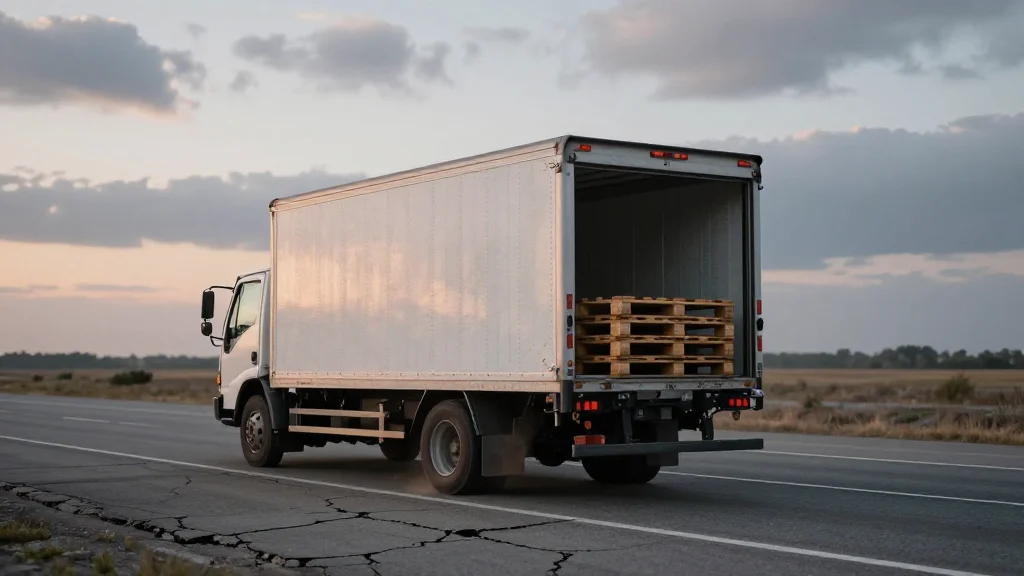
Small Trucking Firms File Wave of Bankruptcies Across U.S.
Why It Matters
The collapse of micro‑fleets reduces capacity for niche and last‑mile freight, tightening supply chains and prompting lenders to reassess credit terms for smaller carriers. It also foreshadows potential consolidation in the trucking industry as financially strained operators exit the market.
Key Takeaways
- •Six small carriers filed Chapter 11 or 7 in early 2026.
- •Liabilities per firm range from $1M to $10M, assets under $500K.
- •Single‑truck operators like Star One are most vulnerable to rate drops.
- •Larger carriers stabilizing while micro‑fleets face mounting financing costs.
Pulse Analysis
The small‑carrier segment has long been the barometer of freight market health, reacting quickly to shifts in spot rates, fuel prices, and driver shortages. Recent filings underscore how uneven demand—driven by a mix of e‑commerce surges and slower manufacturing output—has left many operators with insufficient revenue to cover rising insurance, maintenance, and financing costs. Unlike the major Class 8 carriers that can absorb short‑term volatility, these firms lack the scale to negotiate better rates or secure low‑cost capital, making them the first to feel the squeeze.
Each bankruptcy case paints a consistent picture: modest asset bases, often under $500,000, juxtaposed against liabilities that can reach $10 million. Companies such as NV Freight and NAS Logistics, with fleets of 50 and 27 trucks respectively, illustrate that even mid‑size regional players are vulnerable when cash flow tightens. Micro‑operators—Star One Transport with a single truck and PSS Trucking with three—are especially exposed, as a dip in spot rates instantly erodes profitability. The liquidation of Golden Spirit Freight further signals that some firms see no viable path to reorganization, opting instead for a shutdown that removes capacity from the market.
Looking ahead, the industry may see accelerated consolidation as financially robust carriers acquire distressed assets, potentially reshaping regional logistics networks. Policymakers and lenders are likely to scrutinize credit terms for small fleets, emphasizing stronger balance sheets and diversified revenue streams. For surviving operators, investing in technology that improves load optimization and fuel efficiency could be critical to offset thin margins. Ultimately, the health of the small‑carrier ecosystem will influence overall freight reliability, especially for specialized or time‑sensitive shipments that larger carriers often overlook.
Small trucking firms file wave of bankruptcies across U.S.
Comments
Want to join the conversation?
Loading comments...