Companies Mentioned
Why It Matters
The rebound signals renewed consumer confidence and a shift toward electric models, reshaping Taiwan's automotive landscape and influencing regional supply chains.
Key Takeaways
- •March sales up 5.5% to 39,318 units.
- •Tesla Q1 sales doubled, 5,432 units.
- •Toyota sales fell 9% despite market rise.
- •Ford sales surged 46% year‑over‑year.
- •Market still down 10% annual, 2025.
Pulse Analysis
Taiwan’s automotive sector has shown a tentative recovery after a challenging 2025, when total vehicle registrations slipped 10% to just over 414,000 units. The March 2026 uptick of 5.5% reflects seasonal adjustments and a post‑Lunar New Year rebound, but the market remains modest compared with pre‑pandemic levels. Analysts attribute the softness to lingering supply‑chain constraints, higher financing costs, and a cautious consumer base that is still weighing the benefits of new‑energy vehicles against traditional models.
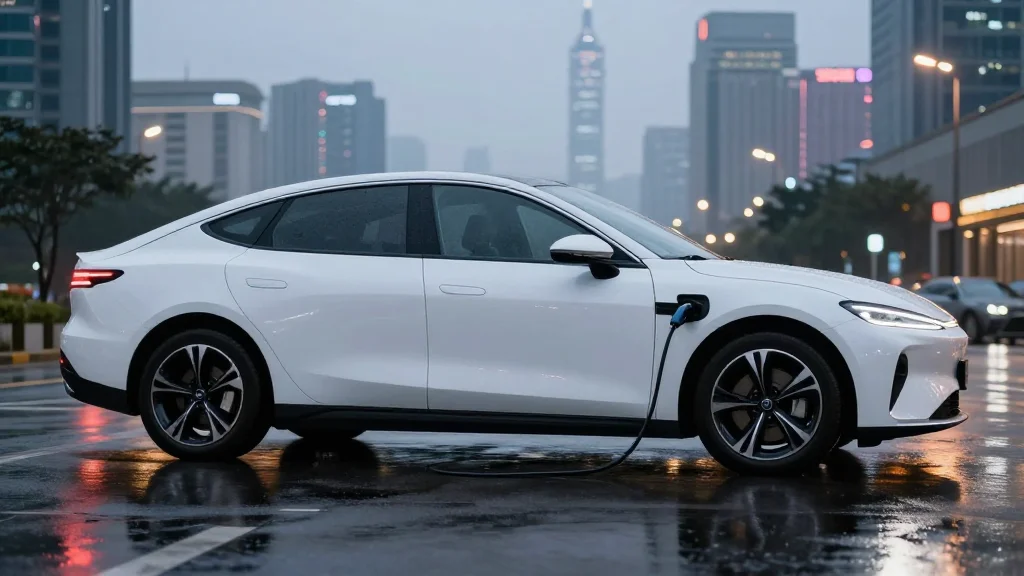
Brand dynamics reveal a clear divergence between legacy manufacturers and newcomers. Toyota, long the market leader, posted a near‑9% decline, highlighting the pressure on conventional internal‑combustion lines. In contrast, Tesla’s Model Y topped Q1 sales, more than doubling its volume to 5,432 units, underscoring Taiwan’s growing appetite for electric vehicles. Ford’s 46% surge and Mitsubishi’s 26% rise further illustrate how foreign brands with aggressive EV or hybrid portfolios are gaining traction, while Chinese‑origin manufacturers like China Motor faced a 16% drop, suggesting brand perception and after‑sales support remain critical.
Looking ahead, forecasts from Hotai Motor and GlobalData anticipate a 6‑10% rebound in 2026, targeting roughly 430,000‑440,000 units. This optimism hinges on continued consumer spending recovery, potential incentives for low‑emission cars, and stabilization of component supplies. For investors and suppliers, the trend points to expanding opportunities in EV charging infrastructure, battery sourcing, and digital retail platforms, while traditional parts makers may need to adapt to a faster‑evolving product mix.
Taiwan vehicle sales rise 5% in March
Comments
Want to join the conversation?
Loading comments...