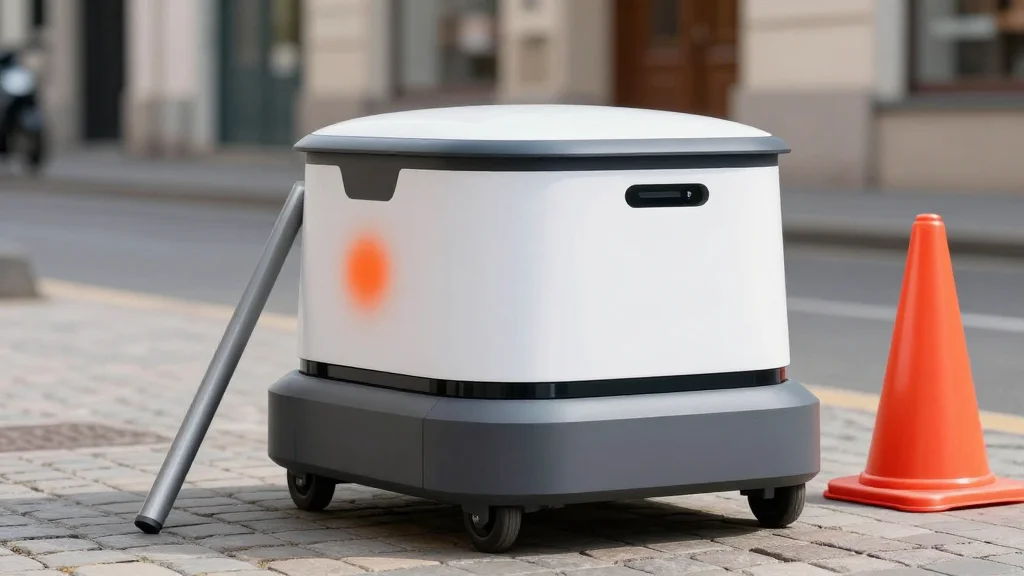
Uber Delivery Robots Defaced In Sheffield
Companies Mentioned
Why It Matters
The defacement underscores community pushback that could slow adoption of autonomous delivery fleets, affecting Uber’s expansion strategy and prompting tighter regulatory scrutiny.
Key Takeaways
- •Robots vandalised days after Sheffield launch
- •Residents cite job loss and privacy worries
- •Starship claims GDPR compliance, no data sharing
- •Uber touts carbon‑reduction benefits of robots
- •Local backlash may delay wider robot rollout
Pulse Analysis
The rollout of autonomous delivery robots marks a pivotal shift in last‑mile logistics, promising faster service and reduced emissions. Companies like Starship Technologies partner with platforms such as Uber Eats to automate food transport, leveraging compact, self‑driving carts that navigate sidewalks and bike lanes. Early pilots in Europe and North America have demonstrated cost savings for retailers and lower carbon footprints compared with car‑based deliveries, positioning robot fleets as a strategic asset for gig‑economy players seeking scalability.
However, the Sheffield incident reveals a growing tension between technological optimism and community acceptance. Vandalism, spray‑paint slogans like “off our street,” and physical barriers signal deep‑seated concerns about job displacement for couriers and the potential for pervasive surveillance. Local business owners fear that fleets equipped with cameras could harvest data without transparent oversight, a sentiment amplified by broader debates over GDPR enforcement and corporate data stewardship. These social frictions can translate into regulatory hurdles, prompting municipalities to impose stricter permitting processes or demand clearer privacy safeguards.
For Uber and its robot operator, the path forward will require balancing innovation with stakeholder engagement. Proactive measures—such as community outreach, transparent data policies, and pilot programs that integrate human workers—could mitigate backlash and build public trust. Moreover, demonstrating tangible environmental benefits, like measurable reductions in delivery‑related emissions, may sway policymakers. As cities worldwide evaluate autonomous delivery, the Sheffield case serves as a cautionary tale: successful deployment hinges not only on technology performance but also on addressing the social and ethical dimensions of urban automation.
Uber Delivery Robots Defaced In Sheffield
Comments
Want to join the conversation?
Loading comments...