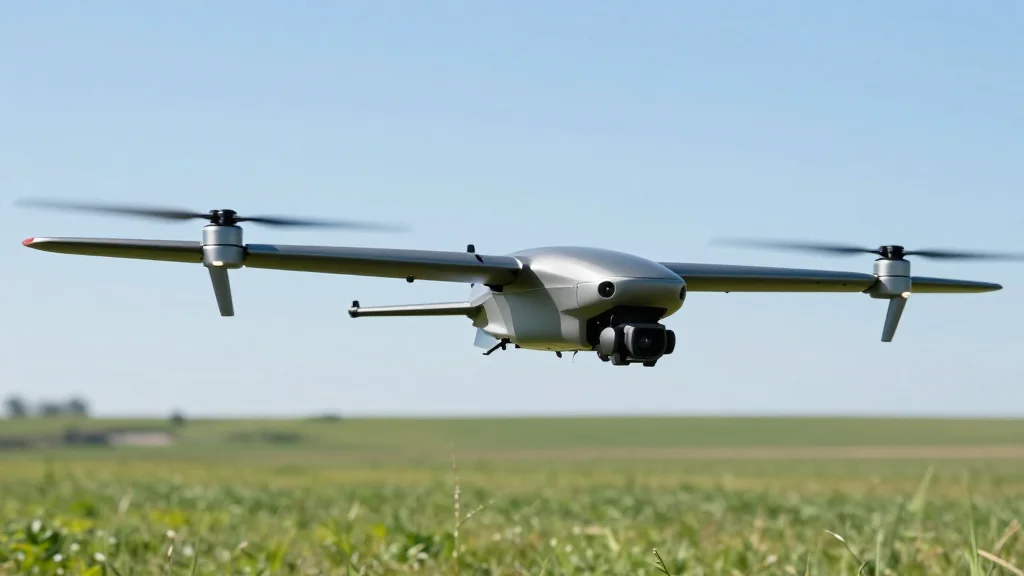
Video: Semicircular Wings Give Cyclone VTOL a Different Kind of Lift
Why It Matters
The efficiency gains could reshape eVTOL economics, making long‑range, low‑cost aerial logistics viable for commercial operators.
Key Takeaways
- •Channel-wing reduces VTOL power by one-third.
- •Hybrid Cyclone burns under three gallons per hour.
- •800‑mile range with 250 lb payload capability.
- •90% lower operating costs versus conventional VTOLs.
- •Targeting 2027 launch for logistics and medical transport.
Pulse Analysis
The channel‑wing, first patented by aviation pioneer Willard Ray Custer in the 1920s, channels propeller thrust through a semi‑circular duct to generate lift without high forward speed. Modern electric propulsion and lightweight composites finally make the concept practical, allowing HopFlyt’s Cyclone to pivot each wing‑channel for optimal thrust during vertical ascent and aerodynamic efficiency in cruise. This hybrid of historic aerodynamics and contemporary control systems illustrates how legacy ideas can be revitalized when paired with digital flight controllers and high‑energy‑density batteries.
Performance metrics set the Cyclone apart from conventional eVTOLs. By routing airflow directly over the wing surface, the craft achieves lift using roughly one‑third less power, translating to fuel consumption under three gallons per hour—a striking figure for a hybrid platform. The vehicle’s 800‑mile (≈1,287 km) range and 250 lb (113 kg) payload capacity enable missions that were previously cost‑prohibitive, while the claimed 90 % reduction in operating expenses and a 50‑fold cut in CO₂ emissions position it as a green alternative for time‑critical logistics.
Commercially, the Cyclone targets a 2027 rollout, focusing on niche markets such as naval resupply, offshore energy‑rig support, and rapid medical transport. These sectors demand reliable, long‑range aerial delivery with minimal infrastructure, a niche where the Cyclone’s efficiency and hybrid powertrain can deliver decisive advantages. As larger players race to certify passenger‑capacity eVTOLs, HopFlyt’s emphasis on cargo‑centric, low‑cost operations could carve a sustainable market segment, accelerating broader adoption of vertical aviation in supply‑chain ecosystems.
Video: Semicircular wings give Cyclone VTOL a different kind of lift
Comments
Want to join the conversation?
Loading comments...