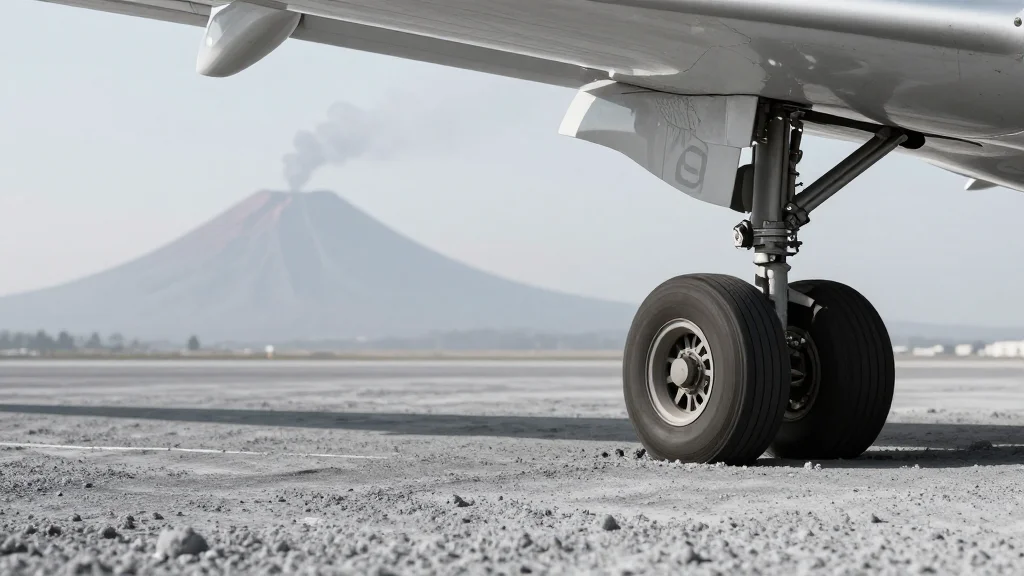
Volcano Disruption Halts Flights, Closes Roads
Why It Matters
The event underscores the fragility of regional transport and supply chains to natural hazards, driving immediate operational disruptions and likely swelling insurance claims in Japan’s disaster‑prone markets.
Key Takeaways
- •Kagoshima Airport flights grounded or delayed due to volcanic ash
- •Major roads in Kagoshima city closed following ash fallout
- •Ash cloud reduces visibility, impacting emergency response and logistics
- •Insurance firms anticipate surge in claims for property and business interruption
Pulse Analysis
Japan’s volcanic belt is a constant backdrop for the nation’s risk landscape, and the recent eruption of its most active volcano illustrates why aviation authorities treat ash clouds with extreme caution. Volcanic ash can damage jet engines, erode cockpit windows, and impair navigation systems, prompting regulators to ground flights until air quality meets safety thresholds. The rapid grounding of Kagoshima Airport’s schedule not only halted passenger travel but also delayed cargo shipments, highlighting the cascading effects of a single natural event on interconnected logistics networks.
The ash fallout has immediate economic repercussions for Kagoshima’s tourism sector, which relies heavily on domestic and international visitors drawn to its hot springs and historic sites. Road closures have stalled local deliveries, disrupted commuter traffic, and raised concerns for businesses dependent on just‑in‑time inventory. Insurers are already flagging a potential spike in property damage claims as ash accumulates on rooftops and vehicles, while business‑interruption policies may see heightened activity as firms grapple with lost revenue during the shutdown.
Beyond the immediate disruption, the eruption serves as a reminder for policymakers and infrastructure planners to embed resilience into critical transport corridors. Investing in ash‑resistant runway surfaces, real‑time monitoring of volcanic activity, and diversified routing options can mitigate future interruptions. As climate change intensifies extreme weather patterns, the frequency of such natural shocks may rise, prompting a reevaluation of risk models across aviation, logistics, and insurance sectors.
Volcano disruption halts flights, closes roads
Comments
Want to join the conversation?
Loading comments...