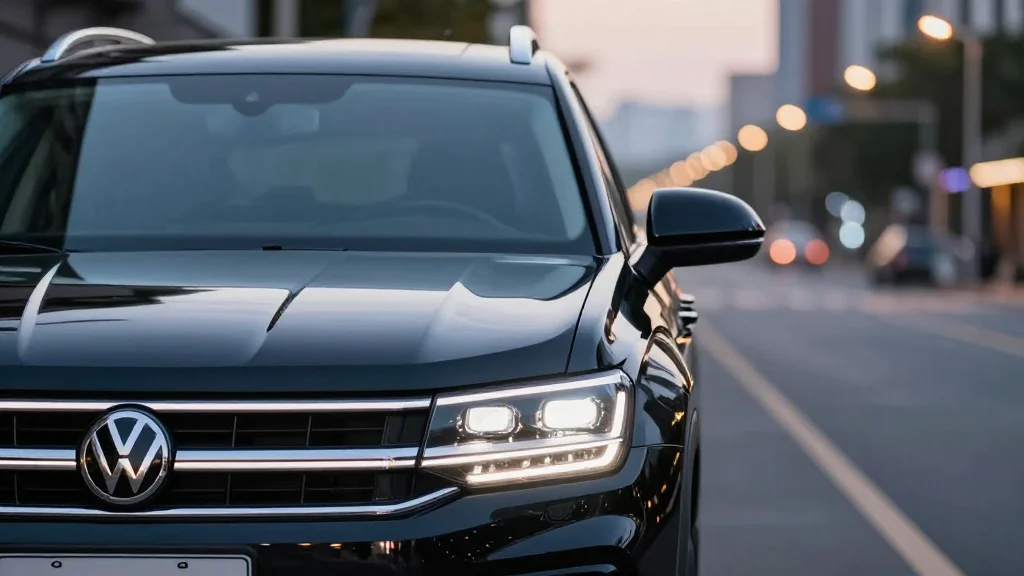
VW’s Three-Row Atlas II SUV Lands with a Whimper, Not a Bang
Companies Mentioned
Why It Matters
The Atlas II’s under‑whelming powertrain and missing electrified variants risk further eroding Volkswagen’s already modest share in the lucrative three‑row SUV segment, where competitors are rapidly adding hybrid and electric options. This highlights a strategic mismatch between VW’s product planning and evolving U.S. consumer preferences for performance and efficiency.
Key Takeaways
- •Atlas II offers only a 2.0‑L turbo, 6 hp more than prior
- •No hybrid or electric options at launch, hybrid promised after 2029
- •Sales lag behind Explorer, Traverse, and Grand Highlander in US market
- •Design tweaks improve tech and luxury but lack distinctive character
- •VW’s US strategy still mismatched to American demand for power and size
Pulse Analysis
The three‑row SUV market has become a battleground for automakers seeking to capture family buyers shifting away from minivans. In the United States, volume leaders like Ford, Chevrolet and Toyota have expanded their lineups with powerful V6s, plug‑in hybrids, and advanced driver‑assist suites. Volkswagen’s Atlas, once a niche offering, now competes in a segment where size, torque and electrified powertrains are decisive factors. By launching the 2027 Atlas II with a single 2.0‑liter turbo and postponing hybrid technology, VW risks being perceived as playing catch‑up rather than leading.
The Atlas II’s redesign focuses on cabin refinement—larger infotainment displays, ambient lighting, and a powered tailgate—features that improve perceived luxury but do not address core performance expectations. Reviewers note the new engine feels “weedy” compared with the previous VR6, especially under highway merge conditions with a full passenger load. Without a V6 or a robust hybrid option, the vehicle may struggle to meet the torque demands of American families who prioritize towing capacity and confident acceleration. Competitors are already fielding hybrid‑assisted powertrains that deliver both fuel efficiency and the low‑end grunt buyers desire.
For Volkswagen, the Atlas II underscores a broader strategic challenge: aligning European‑centric engineering with U.S. market realities. The delayed hybrid rollout—potentially as late as 2029—places VW behind Hyundai, Kia, and Toyota, which have already introduced efficient powertrains in comparable models. As the industry accelerates toward electrification, VW’s hesitation could further diminish its share in a segment that accounts for billions in annual sales. To regain relevance, the German automaker may need to accelerate powertrain diversification, consider larger displacement options, and integrate plug‑in hybrid or fully electric variants sooner rather than later.
VW’s three-row Atlas II SUV lands with a whimper, not a bang
Comments
Want to join the conversation?
Loading comments...