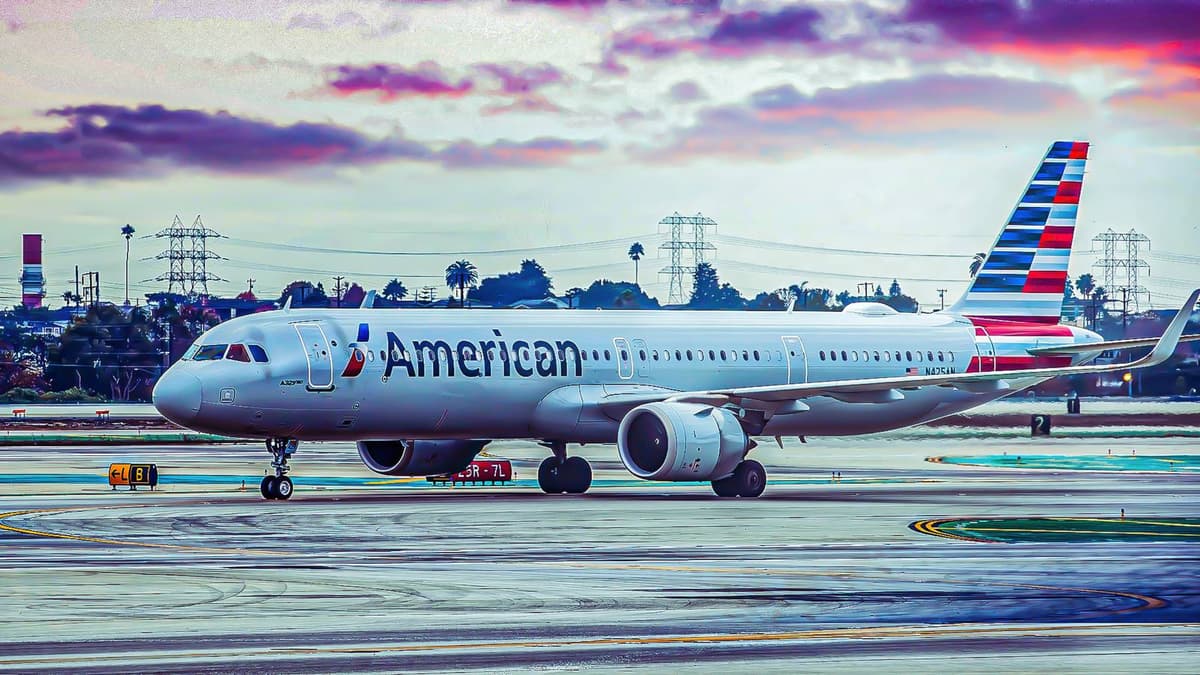
"We Nearly Hit Them": American Airlines Pilot Slams Brakes To Avoid CLT Ops Truck
Companies Mentioned
Why It Matters
Ground‑vehicle collisions threaten passenger safety and can trigger costly delays; the incident underscores the urgency for tighter vehicle tracking and staffing reforms in U.S. airports.
Key Takeaways
- •American Airlines jet braked to avoid CLT operations truck
- •Similar taxiway incidents reported at LAX with Frontier and Air France
- •Lawmakers propose mandatory ground‑vehicle transponders to improve radar visibility
- •ALERT Act 2026 mandates ADS‑B In for aircraft by 2031
- •Staffing shortages cited as root cause beyond technology fixes
Pulse Analysis
The Charlotte Douglas near‑miss illustrates how a single mis‑positioned ground vehicle can force pilots into emergency braking, jeopardizing safety and on‑time performance. The pilot’s radio call captured the tension, noting the truck’s “really bad” maneuver and the need for immediate notification. This event is not isolated; recent taxiway conflicts at Los Angeles International Airport, where a Frontier Airbus and an Air France 777 both averted disaster, reveal a pattern of ground‑air coordination failures across major hubs.
In response, Congress is weighing stricter controls on airport vehicle equipment. A leading proposal would require all ground vehicles to carry transponders that appear on ATC radar, a move aimed at preventing blind spots that led to the CLT incident. Simultaneously, the ALERT Act of 2026, passed by the House, obliges airlines to install ADS‑B In systems by 2031, a technology that could have averted the 2026 PSA‑Army Black Hawk midair collision. However, the legislation stops short of addressing ground‑vehicle tracking, and critics argue that technology alone cannot compensate for chronic understaffing and procedural lapses.
For airlines and airports, the stakes are clear: integrating vehicle transponders, bolstering staffing levels, and accelerating ADS‑B adoption are essential to close the safety gap. Operators that proactively adopt these measures can reduce the risk of costly runway incursions and protect their brand reputation. As regulators tighten standards, the industry’s ability to blend technology with robust operational discipline will determine its resilience against future near‑misses.
"We Nearly Hit Them": American Airlines Pilot Slams Brakes To Avoid CLT Ops Truck
Comments
Want to join the conversation?
Loading comments...