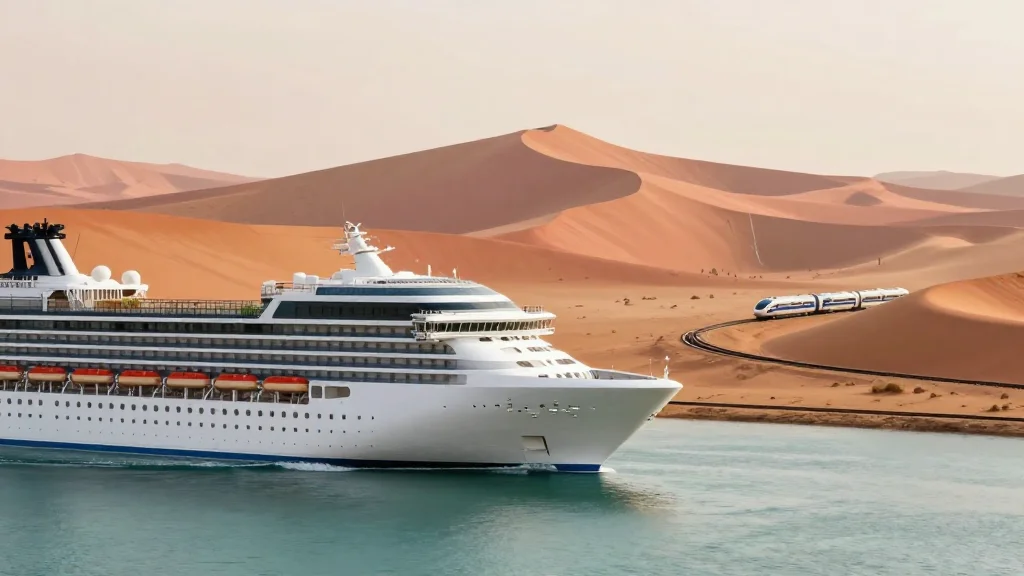
Cruise Lines Launch Inland Excursions From Alaska to Mongolia

Why It Matters
The integration of land extensions into cruise itineraries reshapes the traditional definition of cruising, turning it into a multi‑modal travel experience. This evolution opens revenue streams for both cruise operators and local tourism partners, while giving travelers a more comprehensive way to explore remote regions without the logistical complexity of separate bookings. For the travel industry at large, the trend signals a move toward greater consolidation of services, where a single brand can offer a complete vacation package. This could pressure standalone tour operators and rail companies to seek alliances with cruise lines or develop competing all‑inclusive products.
Key Takeaways
- •Scenic launches 15 Grand Journey itineraries up to 86 days, spanning Arctic to South America
- •Explora Journeys will offer Alaskan inland packages and a Rocky Mountaineer rail segment from Vancouver
- •Windstar’s Star Seeker adds three‑night extensions to Angkor Wat and Chiang Mai
- •Princess Cruises expands Alaska itineraries with rail travel and wilderness lodge stays
- •Post‑COVID travelers increasingly prefer bundled sea‑land experiences, driving the trend
Pulse Analysis
The push toward inland cruise extensions marks a strategic pivot for operators seeking to capture higher-margin, experience‑focused travelers. By controlling the entire journey—from embarkation to inland excursions—cruise lines can command premium pricing and reduce reliance on third‑party tour operators. This vertical integration mirrors trends in the broader hospitality sector, where brands are bundling lodging, dining and activities to lock in consumer spend.
Historically, cruise itineraries have been limited to coastal ports, with land tours treated as optional add‑ons. The current wave of comprehensive packages blurs that line, positioning cruises as a platform for curated, multi‑modal travel. Companies with existing land‑tour expertise, like Scenic, have a clear advantage, while newcomers must quickly forge partnerships with rail and tour providers to stay competitive. The success of these hybrid offerings will likely hinge on the quality of the overland experience and the ability to deliver seamless transitions between ship and shore.
Looking ahead, the model could expand beyond luxury segments into mid‑scale markets as operational efficiencies improve and demand for integrated travel grows. If consumer appetite for all‑inclusive, adventure‑rich vacations continues, we may see a new class of cruise products that routinely combine ocean, river and rail, fundamentally altering how the industry designs and markets its voyages.
Cruise Lines Launch Inland Excursions From Alaska to Mongolia
Comments
Want to join the conversation?
Loading comments...