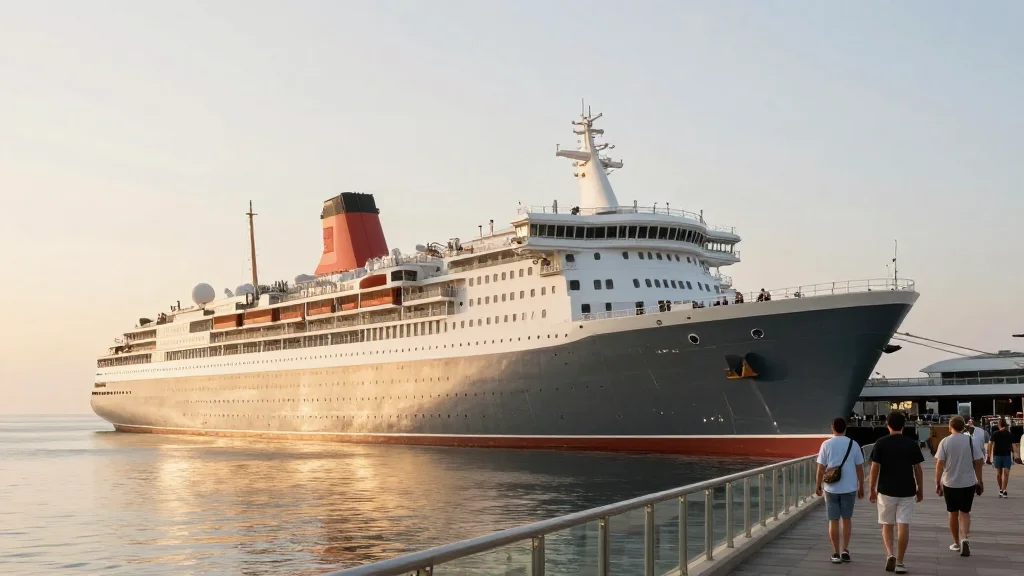
Durban Greets 4,500 Visitors as Queen Mary 2 Arrives, Signaling Cruise Boom

Why It Matters
The arrival of 4,500 tourists from the Queen Mary 2 provides a tangible measure of Durban’s growing relevance in the cruise tourism sector, a segment that contributes significantly to foreign exchange earnings and job creation. By successfully managing a high‑profile ship call, the city demonstrates operational readiness that can attract additional cruise lines, diversify its visitor base, and stimulate ancillary industries such as hospitality, retail, and local transport. Moreover, the event highlights a shift in South African travel preferences toward longer, experience‑driven trips, encouraging policymakers to invest in port infrastructure and shore‑excursion offerings. If Durban can convert this momentum into sustained cruise traffic, it could become a cornerstone of the nation’s strategy to boost tourism revenue and position Africa as a premier cruise destination.
Key Takeaways
- •4,500 international tourists disembarked from Queen Mary 2 on 10 April 2026
- •Nelson Mandela Cruise Terminal handled the largest single‑day cruise passenger influx in recent years
- •Queen Mary 2 can accommodate 2,691 guests and 1,173 crew, underscoring the scale of the visit
- •Local businesses reported immediate sales lifts and higher hotel occupancy
- •Durban aims to host additional flagship cruise calls through 2026 to cement its market position
Pulse Analysis
Durban’s successful reception of the Queen Mary 2 reflects a strategic inflection point for South Africa’s cruise industry. Historically, the continent has been under‑served by major cruise lines, with most itineraries focusing on a handful of ports. The recent upgrade of the Nelson Mandela terminal, combined with aggressive marketing by Durban Tourism, signals a deliberate effort to shift that paradigm. By delivering a seamless shore experience, the city not only captures immediate spend but also builds the goodwill necessary for repeat calls—a critical factor given the high operational costs cruise lines face when adding new ports.
The broader market dynamics suggest that cruise operators are seeking diversification beyond traditional Atlantic and Caribbean routes. Africa’s unique wildlife, cultural heritage, and emerging wine‑tourism circuits present compelling value propositions. Durban’s proximity to attractions like the uShaka Marine World, the Indian Ocean coastline, and nearby wine regions positions it as a multi‑attraction hub. However, sustaining growth will require coordinated investment in transport links, security, and sustainable tourism practices to mitigate the environmental footprint of larger vessels.
Looking forward, the city’s ability to negotiate favorable port fees, streamline customs procedures, and develop exclusive shore‑excursion packages will determine whether Durban can transition from a one‑off showcase to a regular stop on premier cruise itineraries. If it succeeds, the ripple effects could reshape South Africa’s tourism revenue mix, reducing reliance on short‑stay leisure travel and fostering a more resilient, high‑value sector.
Durban Greets 4,500 Visitors as Queen Mary 2 Arrives, Signaling Cruise Boom
Comments
Want to join the conversation?
Loading comments...