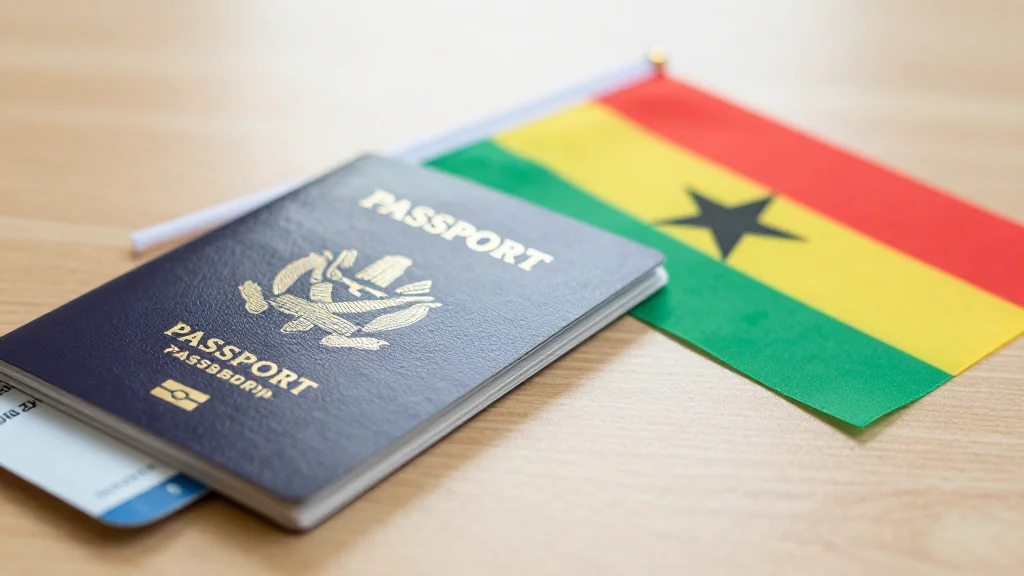
Ghana to Offer Visa‑Free Entry to All African Nationals From May 2026

Why It Matters
The visa‑free policy directly addresses one of the most cited obstacles to intra‑African tourism: cost and complexity of obtaining entry permits. By eliminating visa fees, Ghana lowers the financial threshold for millions of potential visitors, which could translate into higher tourism receipts, increased foreign exchange earnings, and greater exposure for local businesses. Moreover, the move dovetails with the African Continental Free Trade Area’s ambition to create a seamless market for goods, services, and people, reinforcing economic integration. Beyond economics, the policy carries symbolic weight. It signals a commitment to pan‑African solidarity and may inspire other nations to adopt similar measures, gradually building a continent‑wide travel framework. If successful, Ghana could become a case study for how policy liberalization fuels both tourism growth and deeper cultural exchange across Africa.
Key Takeaways
- •Visa‑free entry for all African nationals starts May 25 2026
- •Policy coincides with Africa Day and aligns with AfCFTA goals
- •Supported by a new e‑visa platform for online applications and security screening
- •Ghana joins Rwanda, The Gambia, Benin and Seychelles in offering visa‑free travel for Africans
- •Government will issue quarterly impact reports to track tourism and trade effects
Pulse Analysis
Ghana’s decision to waive visa fees for all African citizens is more than a tourism promotion; it is a strategic maneuver to position the country as a hub in the emerging intra‑African travel network. Historically, African travel has been hampered by fragmented visa regimes, which have discouraged short‑term trips and limited the fluidity of business travel. By removing the fee and streamlining the application process, Ghana reduces both monetary and procedural friction, making it an attractive destination for neighboring travelers who might otherwise opt for domestic tourism or longer‑haul flights to other regions.
The timing is crucial. With the African Continental Free Trade Area nearing full operational capacity, the continent is poised for a surge in cross‑border commerce. Travel is the connective tissue that enables trade delegations, supply‑chain managers, and skilled workers to move efficiently. Ghana’s policy could therefore act as a catalyst, encouraging airlines to launch more regional routes, hotels to expand capacity, and local entrepreneurs to develop tourism‑related services. Competitors such as Nigeria and Ivory Coast may feel pressure to match or exceed Ghana’s openness, potentially sparking a wave of liberalization across West Africa.
However, the policy’s success hinges on execution. The e‑visa platform must deliver a seamless user experience while maintaining rigorous security standards—a balance that many countries struggle to achieve. If Ghana can demonstrate that high volumes of visa‑free travelers do not compromise border integrity, it will set a benchmark for the rest of the continent. Conversely, operational hiccups could erode confidence and stall the broader agenda of African mobility. The next six months will be a litmus test for whether policy ambition can translate into measurable economic and social gains.
Ghana to Offer Visa‑Free Entry to All African Nationals from May 2026
Comments
Want to join the conversation?
Loading comments...