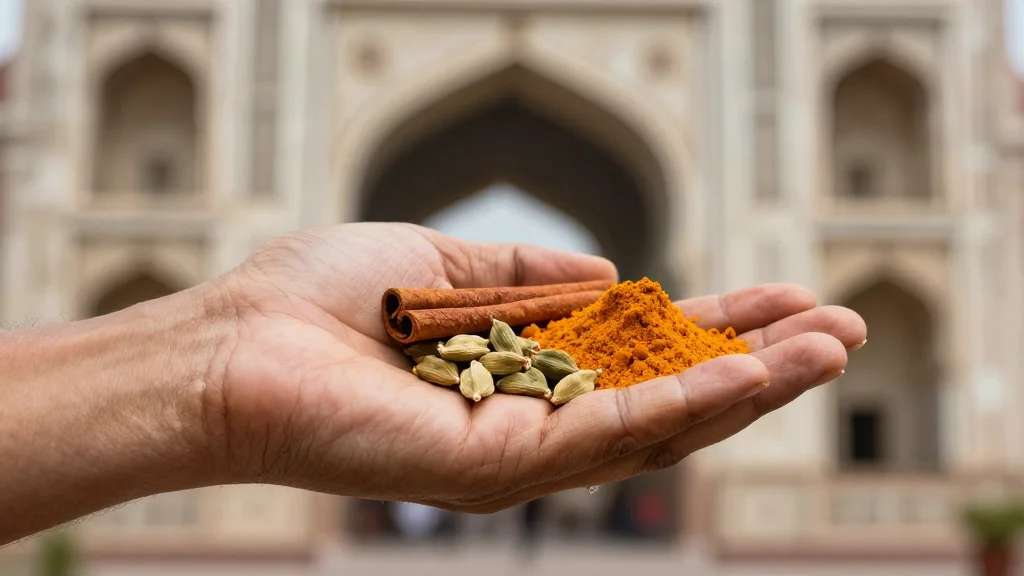
Multisensory Tours Let Travelers Experience India Without Sight

Why It Matters
The Traveleyes model confronts a long‑standing blind‑spot in tourism: the assumption that travel is primarily a visual experience. By proving that sound, scent, touch and taste can convey a destination’s essence, the company opens new market segments and pushes the industry toward universal design. For destinations, adopting multisensory elements can attract a growing demographic of visually impaired travelers, estimated at 285 million worldwide, while also enriching the experience for sighted tourists seeking deeper engagement. Moreover, the partnership framework reduces barriers to entry for both blind travelers—who often face prohibitive costs for specialized tours—and sighted companions, who gain discounted travel opportunities. This economic alignment could spur other operators to experiment with similar models, potentially reshaping how tours are packaged and marketed globally.
Key Takeaways
- •Traveleyes pairs sighted guides with blind travelers for discounted, multisensory tours.
- •A recent 10‑day itinerary covered Delhi, Agra and Jaipur, emphasizing sound, scent, touch and taste.
- •Founder Amar Latif, blind since age 18, created the model to counter caregiver‑patient dynamics.
- •Traveler Luke described the Taj Mahal’s acoustics as “like you’re inside a speaker.”
- •Candie, a blind IRS employee, highlighted the value of human‑behavior descriptions over visual clichés.
Pulse Analysis
Traveleyes is tapping into a niche that has been largely ignored by mainstream tourism: the sensory needs of blind and low‑vision travelers. Historically, the industry has responded with token accessibility measures—wheelchair ramps, audio guides—while neglecting the holistic experience. By flipping the script and making sighted participants active narrators, Traveleyes creates a symbiotic value proposition that could be replicated across other sectors, from adventure travel to cruise lines.
The model also aligns with broader trends in experiential travel, where tourists seek authenticity over curated visuals. Multisensory tours satisfy that demand while simultaneously addressing equity concerns. As the global travel market rebounds post‑pandemic, operators that embed inclusivity into their core offerings may capture a loyal, under‑served customer base. However, scaling the model will require careful training of sighted guides to deliver nuanced, respectful descriptions without slipping into patronizing tones.
If larger tour operators adopt similar frameworks, we could see a shift toward “sensory itineraries” becoming a standard product line, much like wellness or culinary tours today. This would not only broaden market reach but also push destination marketers to think beyond signage and visual branding, fostering a more inclusive tourism ecosystem.
Multisensory Tours Let Travelers Experience India Without Sight
Comments
Want to join the conversation?
Loading comments...