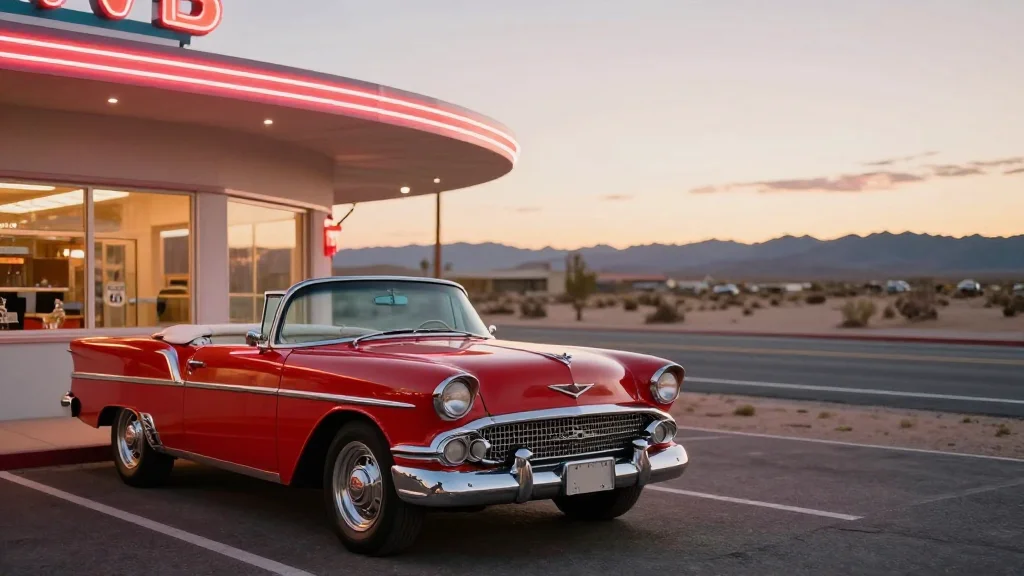
Route 66 Marks 100‑Year Milestone, Reviving Classic American Road‑Trip

Companies Mentioned
Why It Matters
The Route 66 centennial underscores the growing appetite for heritage tourism, a segment that consistently outperforms conventional leisure travel in average spend per visitor. By spotlighting historic diners, neon art and the road’s complex social history, the celebration encourages deeper engagement with American cultural narratives, prompting travelers to seek experiences beyond generic beach resorts. Moreover, the surge in demand puts pressure on preservation funding and infrastructure planning. Successful integration of historic preservation with modern safety standards could serve as a blueprint for other legacy routes worldwide, influencing how governments balance tourism growth with cultural stewardship.
Key Takeaways
- •Route 66 marks its 100th anniversary, driving a 15% rise in bookings across eight states.
- •Historic sites like the Chain of Rocks Bridge and neon parks see record visitor numbers.
- •Cyrus Avery’s original marketing vision is being revived through modern heritage tours.
- •Preservation groups clash with state DOTs over safety upgrades versus historic integrity.
- •Centennial events include classic car rallies, music festivals, and Pixar‑inspired tours.
Pulse Analysis
The centennial of Route 66 arrives at a moment when American travelers are gravitating toward experiences that blend nostalgia with authenticity. Unlike the mass‑market appeal of theme parks, heritage routes offer a curated sense of place that can command premium pricing, especially when paired with culinary and pop‑culture tie‑ins. Companies that can bundle these elements—such as boutique tour operators and regional hospitality chains—stand to capture a disproportionate share of the $30‑plus billion U.S. heritage tourism market.
Historically, the decline of Route 66 began with the Interstate system of the 1950s, which rerouted traffic and left many small towns economically stranded. The current revival suggests a reversal of that trend, driven by a generation that values story‑rich itineraries over speed. If the surge sustains beyond the centennial year, we may see a new wave of public‑private partnerships aimed at restoring and marketing other historic corridors, from the Pacific Coast Highway to the historic U.S. Route 1.
However, the tension between preservation and modernization remains a critical risk. Over‑zealous safety upgrades could dilute the road’s historic character, alienating the very travelers the centennial seeks to attract. Policymakers will need to adopt a nuanced approach—leveraging federal historic preservation tax credits, encouraging adaptive reuse of vintage structures, and integrating modern amenities in a way that respects the original aesthetic. The outcome will likely set a precedent for how the United States balances cultural heritage with the demands of 21st‑century mobility.
Route 66 Marks 100‑Year Milestone, Reviving Classic American Road‑Trip
Comments
Want to join the conversation?
Loading comments...