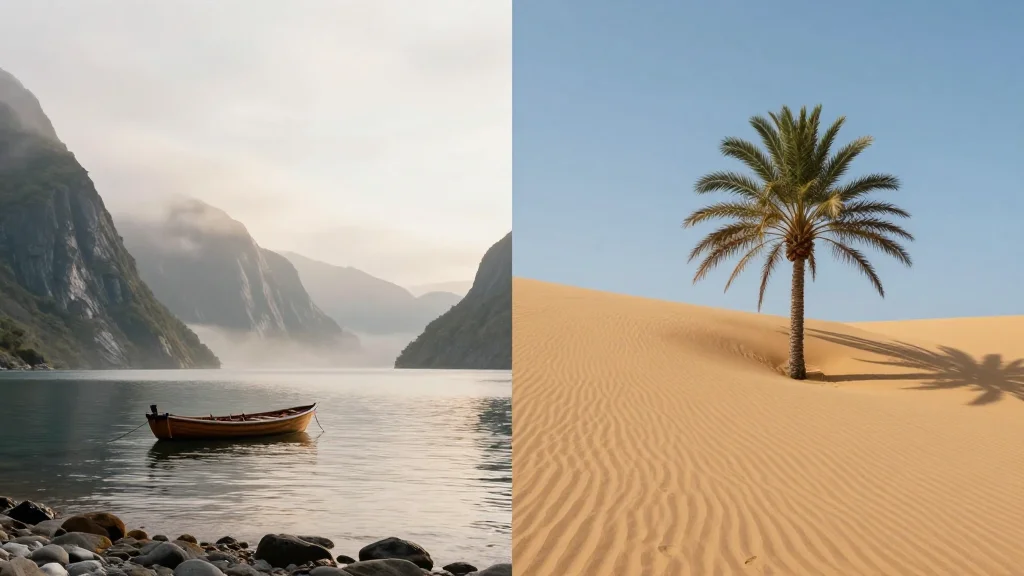
Tiny Lofoten Boom, Mui Ne Surge and Caribbean Growth Define 2026 Travel Hot Spots

Companies Mentioned
Why It Matters
The rapid ascent of Lofoten, Mui Ne and the Cayman Islands illustrates a seismic shift in traveler preferences toward cooler climates, authentic cultural immersion and flexible access. This trend challenges traditional sun‑and‑sea powerhouses, prompting destinations worldwide to rethink marketing, capacity management and sustainability strategies. For the travel industry, understanding these emerging patterns is essential for allocating resources, designing products and staying ahead of demand spikes that can strain local infrastructure. Moreover, the success of these locales underscores the influence of digital platforms and social media in reshaping travel demand. Algorithms that surface striking imagery can catapult obscure places into global consciousness overnight, as seen with Lofoten’s Reinebringen steps. Travel operators that harness data‑driven insights will be better positioned to capture the next wave of “coolcations” and sustainable experiences.
Key Takeaways
- •Lofoten recorded over 100,000 summer hikers, far exceeding its 25,000‑resident population.
- •Mui Ne achieved a 20% year‑over‑year booking increase, landing in Booking.com’s top‑10 global trends for 2026.
- •Cayman Islands saw 49,075 stay‑over visitors in February, a 10.1% rise and the second‑best February on record.
- •Yosemite eliminated vehicle‑entry reservations for 2026, offering unrestricted access to 4 million annual visitors.
- •Turkey’s Aegean coast promotes Cittaslow towns and Michelin‑Guide dining to attract slow‑living tourists.
Pulse Analysis
The 2026 travel landscape is being rewritten by a confluence of climate comfort, digital virality and sustainability imperatives. Lofoten’s meteoric rise is less about traditional marketing and more about algorithmic amplification; a single Instagram clip of Reinebringen’s stone steps sparked a cascade of bookings that overwhelmed local capacity. This underscores a new risk for small destinations: the need to balance viral demand with infrastructure resilience. Governments and operators must invest in scalable services—such as expanded ferry schedules and seasonal staffing—while preserving the very authenticity that fuels the appeal.
Mui Ne’s ascent reflects a complementary trend: travelers are seeking destinations that blend adventure with cultural depth. Booking.com’s data shows a pivot from checklist tourism to experience‑centric itineraries, a shift that benefits locales offering niche activities like kite‑surfing and culinary tours. For Vietnam, this means leveraging Mui Ne’s natural assets while ensuring environmental safeguards to protect dunes and marine ecosystems.
The Caribbean’s steady growth, highlighted by the Cayman Islands’ February surge, illustrates the power of targeted market diversification. By courting Canadian winter travelers and expanding airlift capacity, the islands have mitigated seasonality and reduced reliance on traditional US markets. This strategic focus on source‑market expansion, combined with high‑end hospitality projects like the upcoming One GT hotel, positions the Cayman Islands as a blueprint for other premium destinations seeking year‑round relevance.
Finally, policy shifts like Yosemite’s reservation‑free model signal a broader industry willingness to experiment with demand‑management tools that prioritize visitor experience over strict quota systems. If successful, this could inspire other over‑visited parks to adopt real‑time traffic solutions, democratizing access while maintaining conservation standards.
Collectively, these dynamics suggest that the next wave of travel growth will be driven by destinations that can quickly scale, communicate compelling narratives through digital channels, and embed sustainability into their core offerings. Operators that anticipate these needs—by investing in flexible infrastructure, data‑rich marketing and eco‑friendly practices—will capture the most lucrative share of the evolving market.
Tiny Lofoten Boom, Mui Ne Surge and Caribbean Growth Define 2026 Travel Hot Spots
Comments
Want to join the conversation?
Loading comments...