
Key Takeaways
- •Sitting shortens hip flexors, compresses spine.
- •Glute strength prevents hip flexor re‑tightening.
- •10‑minute daily resets restore joint lubrication.
- •Vitamin C boosts collagen after age 30.
- •Proper posture aligns joints, reduces injury risk.
Summary
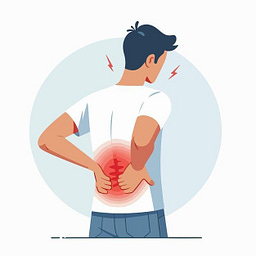
A recent blog post warns that prolonged sitting shortens hip flexors, tilts the pelvis and starves joints of synovial fluid, leading to aches and reduced mobility. The author shares a case where a 38‑year‑old project manager eliminated a limp after two weeks of 10‑minute daily hip‑flexor stretches and glute bridges. The piece stresses that strengthening glutes before stretching hip flexors prevents the muscles from re‑tightening. It also highlights collagen decline after age 30 and the role of vitamin C in supporting joint health.
Pulse Analysis
In modern office environments, the average employee spends eight or more hours seated, a habit that silently reshapes musculoskeletal architecture. When hip flexors remain contracted for extended periods, the pelvis anteriorly tilts, increasing lumbar compression and forcing the knees to absorb abnormal loads. This biomechanical cascade not only accelerates wear on cartilage but also elevates the risk of chronic lower‑back pain, a leading cause of workplace disability and lost productivity. Companies that ignore these ergonomic signals face higher health‑care expenditures and reduced employee engagement.
The body’s natural joint‑lubricating system relies on movement‑induced circulation of synovial fluid, which nourishes cartilage and reduces friction. Tight hip flexors impede this flow, while weak gluteal muscles fail to counterbalance the tension, causing the flexors to rebound quickly after a stretch. A concise protocol—10 minutes of glute bridges followed by a hip‑flexor stretch—re‑establishes muscular equilibrium and re‑activates synovial pumping. Complementary nutrition, particularly vitamin C, supports collagen synthesis, offsetting the natural decline that begins around age thirty and preserving joint resilience.
Forward‑thinking organizations can translate these insights into measurable ROI by integrating micro‑break routines into daily schedules and offering ergonomic education. Simple interventions—standing desks, scheduled movement alerts, and brief guided exercises—reduce musculoskeletal complaints and associated sick days. Moreover, fostering a culture that prioritizes joint health can enhance morale, lower insurance premiums, and position the firm as a leader in employee well‑being. The cost of implementing five‑minute movement blocks is modest compared with the long‑term savings from a healthier, more productive workforce.


Comments
Want to join the conversation?