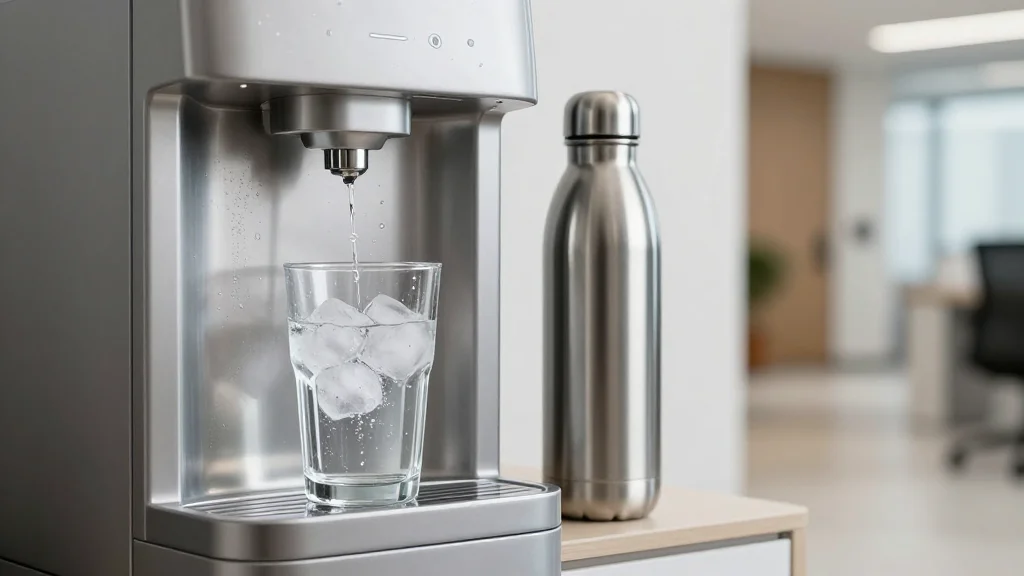
The Future of Work Includes Better Water: Why Offices Are Rethinking Hydration
Why It Matters
Proper hydration directly enhances cognitive function, energy, and safety, translating into measurable productivity gains and reduced workplace costs.
Key Takeaways
- •Up to 75% of U.S. adults may be chronically dehydrated.
- •One glass of water can improve reaction time by ~14%.
- •Proper hydration links to higher productivity and lower accident rates.
- •Filtered water dispensers increase convenient access and encourage drinking.
- •Companies can boost morale with reusable bottle perks and challenges.
Pulse Analysis
Chronic dehydration affects a striking majority of the American workforce, with recent health surveys estimating that roughly three‑quarters of adults are below optimal fluid levels at any given time. In the office, reliance on soda, juice, or caffeinated drinks can exacerbate the problem because sugar and caffeine act as mild diuretics, prompting the body to shed water faster than it is replenished. Beyond thirst, insufficient hydration impairs thermoregulation, reduces blood volume and strains cellular metabolism, creating a hidden productivity drain that many managers overlook.
Research links adequate water intake to measurable gains in cognitive speed and physical stamina. A study from the University of East London found that drinking a single glass of water can accelerate reaction times by as much as 14 percent, translating into sharper decision‑making on the shop floor. Employees who stay hydrated also report higher energy levels, fewer fatigue‑related errors, and a lower incidence of workplace accidents—particularly in environments that involve heavy machinery or rapid response tasks. The cumulative effect can boost overall output while reducing insurance and workers’ compensation costs.
Forward‑thinking firms are turning hydration into a low‑cost, high‑impact perk. Installing filtered water stations in high‑traffic zones, supplying reusable bottles, and running reminder or challenge programs make water the most convenient choice for staff. The return on investment is tangible: healthier employees mean fewer sick days, higher engagement, and smoother operations. As the future of work emphasizes wellbeing and performance, a simple glass of clean, cold water is emerging as a strategic tool for competitive advantage.
The future of work includes better water: why offices are rethinking hydration
Comments
Want to join the conversation?
Loading comments...