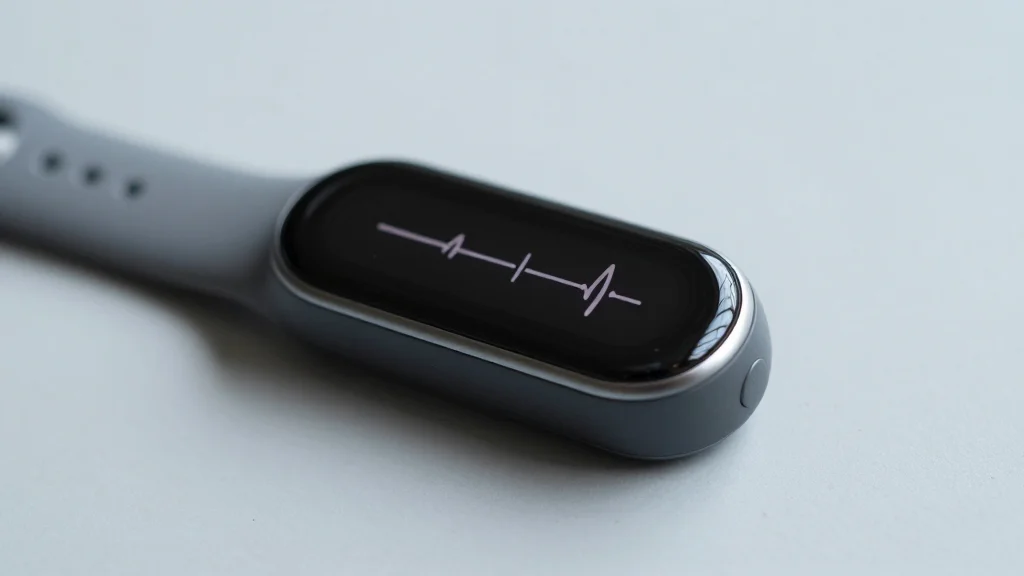
What Are Fitness Trackers? And Do You Really Need One?
Why It Matters
Trackers translate raw data into behavior‑change cues, helping users meet health guidelines without costly medical visits. Their growing adoption reshapes consumer wellness markets and drives demand for interoperable health platforms.
Key Takeaways
- •Heart rate tracking is generally reliable across most devices
- •Advanced metrics like body composition are often estimates, not precise
- •Choosing a tracker depends on goals, ease of use, and cost
- •Subscription fees can add significant ongoing expense beyond hardware price
- •Consistent wear and data review drive health benefits, not the device alone
Pulse Analysis
The consumer wearables market has surged past $70 billion, propelled by smartphones and health‑focused apps. While flagship smartwatches dominate headlines, a parallel segment of low‑cost fitness bands offers essential metrics for budget‑conscious users. This tiered ecosystem creates a competitive landscape where manufacturers differentiate through battery longevity, sensor fidelity, and software ecosystems, prompting rapid innovation in optical heart‑rate and SpO2 technologies. However, the industry still grapples with standardizing data accuracy, especially for emerging measurements like VO2 max or body‑fat estimation, which remain algorithm‑driven approximations.
Behavioral science underscores that data alone rarely changes habits; it is the feedback loop that matters. Real‑time alerts, daily step goals, and social challenges transform passive monitoring into active motivation, aligning with the American Heart Association’s recommendation of 150 minutes of moderate exercise per week. Users who regularly engage with their tracker’s insights report higher activity levels and better sleep hygiene, illustrating how quantified self‑tracking can reinforce positive health routines when paired with personal accountability.
Beyond individual benefits, fitness trackers are reshaping corporate wellness and insurance models. Employers integrate device data into incentive programs, while insurers explore usage‑based pricing, leveraging aggregated, anonymized metrics to assess risk. Yet privacy concerns linger, as continuous health monitoring raises questions about data ownership and consent. As the market matures, transparent data policies and interoperable standards will be crucial for sustaining consumer trust and unlocking the full potential of wearable health technology.
What Are Fitness Trackers? And Do You Really Need One?
Comments
Want to join the conversation?
Loading comments...