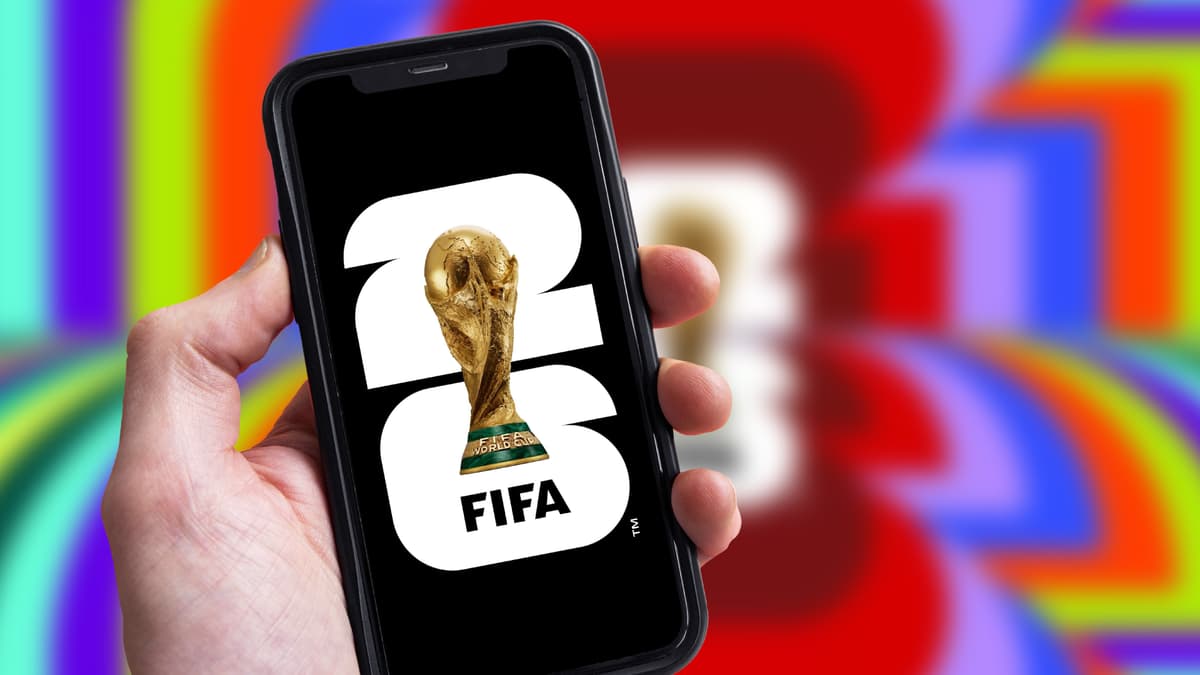
“Fourteen Super Bowls”: Why the 2026 World Cup Is the Most Thrilling Measurement Puzzle in Advertising
Why It Matters
The World Cup’s unprecedented scale and fragmented media landscape force advertisers to adopt holistic measurement frameworks, or risk missing the true impact of their multi‑channel spend.
Key Takeaways
- •$10.5 B global ad spend projected for World Cup quarter.
- •Fox and Telemundo expected to earn $850 M from tournament.
- •6 B people projected to engage; 1.5 B watch final.
- •89% of U.S. viewers plan purchase, $7.5 B spend.
- •MMM adoption rises to 61% of buy‑side marketers.
Pulse Analysis
The 2026 FIFA World Cup represents a seismic shift in advertising, dwarfing the Super Bowl with $10.5 billion in projected spend and a footprint that stretches across three nations, 16 host cities, and dozens of media platforms. Brands are negotiating premium packages—some as high as $50 million—while broadcasters like Fox and Telemundo lock in $850 million in revenue. This multi‑city, multi‑platform rollout creates a fragmented audience that toggles between CTV, digital out‑of‑home, social feeds, and in‑stadium experiences, demanding a new level of coordination from media planners.
The core challenge lies in measurement. A single fan’s journey may begin with a digital billboard at LAX, continue through Instagram and streaming ads, and culminate in a cash purchase at a stadium merch stand—touchpoints that traditional dashboards cannot fully reconcile. Advertisers are turning to Marketing Mix Modeling (MMM), now used by 61% of buy‑side marketers, to capture the cumulative effect of these disparate exposures. Coupled with identity resolution that bridges consented online profiles with location intelligence, MMM offers a macro‑level view, while last‑touch attribution and incrementality tests provide the micro‑level validation needed to attribute sales to specific creative or placement.
For brands, mastering this measurement maze unlocks a $7.5 billion consumer‑spending opportunity, with 89% of U.S. viewers indicating purchase intent. Those that can stitch together cross‑surface data will not only justify their hefty investments but also gain insights to inform future campaigns beyond the tournament. As the industry grapples with fragmented data streams, the 2026 World Cup serves as a proving ground for next‑generation analytics, setting a new benchmark for large‑scale, multi‑channel advertising effectiveness.
“Fourteen Super Bowls”: Why the 2026 World Cup Is the Most Thrilling Measurement Puzzle in Advertising
Comments
Want to join the conversation?
Loading comments...