Why It Matters
AI adoption will boost farm productivity while preserving human responsibility, reshaping risk and value chains in ag‑retail and consulting sectors.
Key Takeaways
- •AI viewed as decision‑support, not autonomous system
- •Retailers remain liable for AI‑generated recommendations
- •Nutrien equips 4,000 consultants with AI tools
- •Human expertise essential for regulatory compliance
- •Positive AI narrative expected throughout 2026
Pulse Analysis
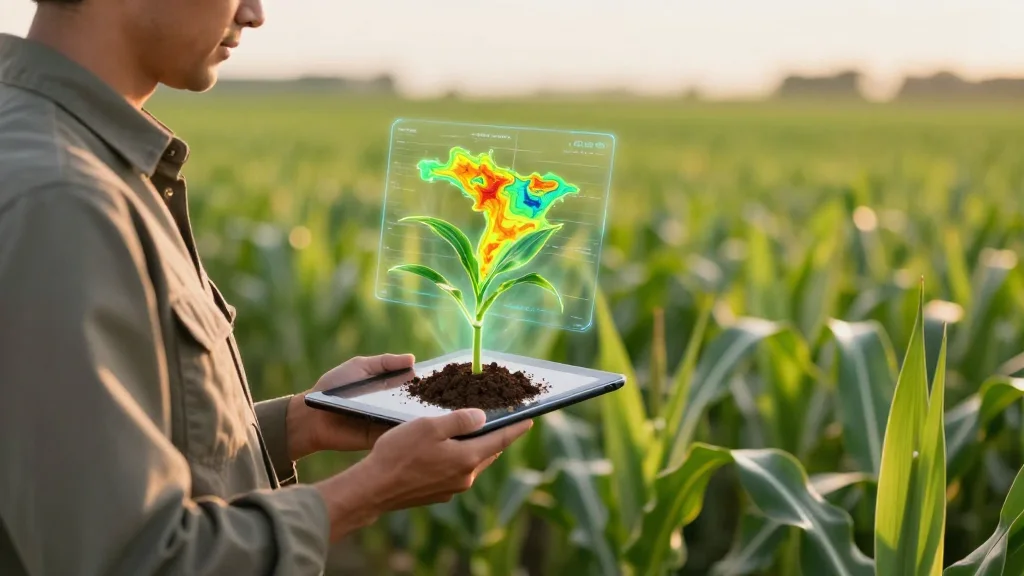
The agricultural sector is moving beyond the sensational headlines that portray AI as a job‑killer and toward a pragmatic model where technology augments human judgment. By embedding machine‑learning algorithms into recommendation engines, firms can process satellite imagery, soil sensors, and weather forecasts at scale, yet the final prescription still rests with a qualified agronomist. This human‑in‑the‑loop approach mitigates liability concerns, as retailers like those represented by Daren Coppock must stand behind every advisory output, ensuring compliance with existing regulations.
From a business perspective, AI‑enhanced decision support translates into measurable efficiency gains. Crop consultants equipped with predictive analytics can tailor input applications, reduce waste, and improve yield forecasts, directly impacting profit margins for both producers and suppliers. Companies such as Nutrien are investing heavily in training their 4,000 consultants on these tools, recognizing that data‑driven insights are a competitive differentiator. However, adoption hurdles remain, including data quality, integration with legacy farm management software, and the need for continuous skill development among field staff.
Looking ahead, the convergence of AI with IoT devices, drones, and blockchain promises a more transparent and sustainable food system. Real‑time sensor feeds will feed algorithms that not only optimize inputs but also track carbon footprints, aligning with ESG goals that investors increasingly demand. As the narrative shifts toward AI as an indispensable ally rather than a threat, capital will flow toward startups and agribusinesses that can demonstrate tangible ROI and robust risk management frameworks, cementing AI’s role as a catalyst for the next wave of agricultural innovation.
AI As a Human Tool, Not Standalone Option in Agriculture
Comments
Want to join the conversation?
Loading comments...