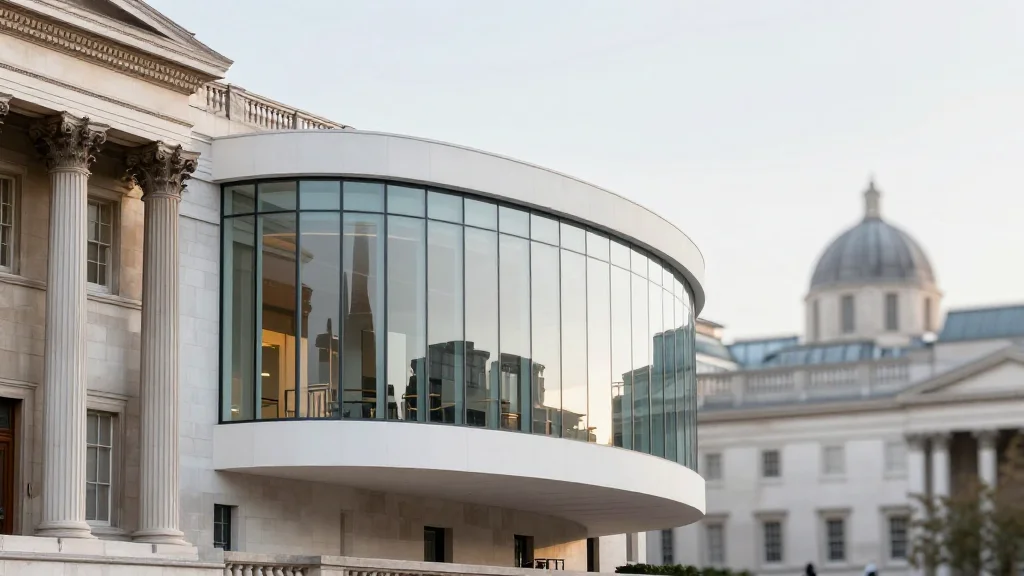
Kengo Kuma Wins £350 M Competition to Design National Gallery’s New Wing

Why It Matters
The National Gallery’s new wing will reshape one of London’s most visited cultural landmarks, offering expanded space for modern and contemporary art that has long been under‑represented in the collection. By integrating public realms between Leicester and Trafalgar Squares, the project also redefines how museums interact with their urban context, potentially influencing future museum expansions worldwide. Beyond the architectural prestige, the £350 million investment demonstrates the scale of financial commitment required to keep legacy institutions relevant in a digital age. The endowment tied to the wing’s operating budget provides a model for funding large‑scale cultural infrastructure without over‑reliance on public subsidies, a blueprint other museums may emulate.
Key Takeaways
- •Kengo Kuma and Associates wins £350 million (≈$464 m) commission for National Gallery’s new wing.
- •Project Domani, the gallery’s £750 million (≈$995 m) redevelopment, aims to add 15 % more exhibition space.
- •Design features Portland stone, stepped massing, and a roof garden linking Leicester and Trafalgar Squares.
- •Construction slated for 2026‑2031; standstill period ends 16 April 2026.
- •First major English project for Kuma, marking a shift toward context‑sensitive museum architecture.
Pulse Analysis
Kengo Kuma’s victory reflects a broader recalibration in cultural architecture, where the narrative is moving from iconic, stand‑alone statements to designs that weave seamlessly into their civic fabric. The National Gallery’s choice underscores a desire for a building that not only houses art but also acts as a public catalyst, echoing the success of recent projects like the V&A Dundee, which blended local materiality with global appeal. By prioritising natural light and pedestrian connectivity, Kuma’s proposal aligns with visitor‑centred trends that museums worldwide are adopting to compete with digital experiences.
Financially, the £350 million wing is a gamble that the gallery’s expanded programming will attract enough footfall and donor support to justify the outlay. The attached endowment is a strategic hedge, ensuring the new spaces remain operationally viable without draining the institution’s core budget. If successful, this model could inspire other heritage institutions to pair capital projects with dedicated revenue streams, reducing reliance on volatile public funding.
Looking ahead, the project will serve as a litmus test for how legacy institutions can modernise without alienating traditional audiences. Kuma’s design, praised for its “sensitivity” to Grade I exteriors, suggests a path forward where heritage and innovation coexist. The outcome will likely influence upcoming museum commissions in Europe and beyond, setting a precedent for architects who can balance reverence for the past with forward‑looking public engagement.
Kengo Kuma Wins £350 M Competition to Design National Gallery’s New Wing
Comments
Want to join the conversation?
Loading comments...