Nio's William Li Urges Battery and Chip Standardization to Curb EV Supply Chain Waste
Key Takeaways
- •Standardizing battery cells could unlock $14.6 bn industry savings.
- •Reducing chip varieties aims to cut Nio’s component count to 400.
- •Over‑50% of EV cost tied to batteries and semiconductors.
- •Nio posted Q4 profit of ¥1.25 bn (~$183 m) on ES8 sales.
Pulse Analysis
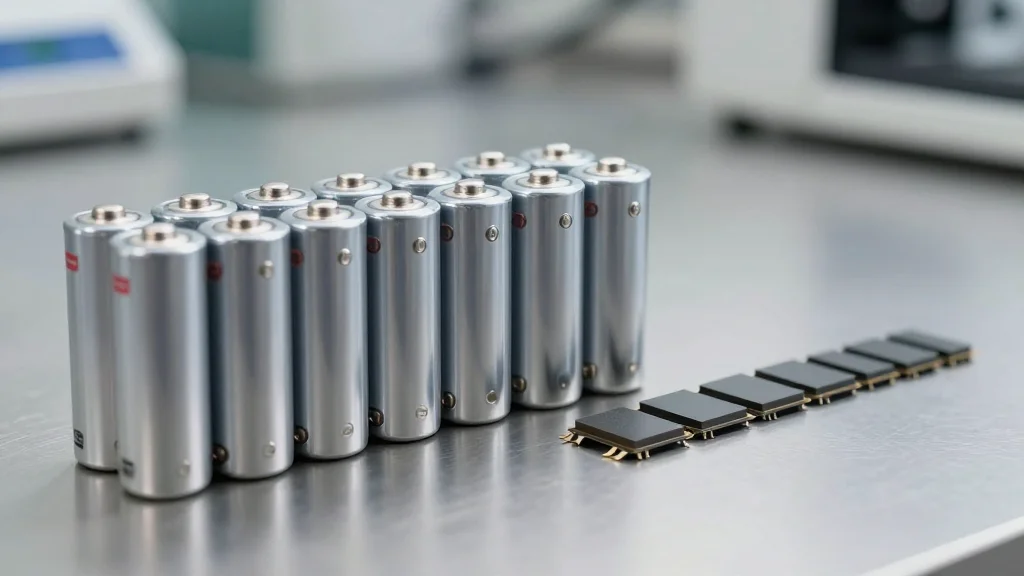
The Chinese electric‑vehicle market, now the world’s largest, is grappling with a paradox of rapid innovation and costly inefficiencies. Frequent model refreshes have outpaced the supply chain’s ability to align production with consumer demand, leaving automakers with excess inventory and sunk capital. William Li’s appeal for unified battery‑cell specifications targets a critical bottleneck: the current proliferation of formats forces manufacturers to hold diverse inventories, inflating costs and limiting flexibility. By converging on four or five standard cell types, the industry could streamline logistics, reduce waste, and respond more nimbly to market shifts.
Beyond batteries, the semiconductor landscape presents a similar challenge. Modern EVs like Nio’s ES9 integrate over 1,000 distinct chip types, driving up design complexity and procurement expenses. Li’s proposal to halve this variety to roughly 400 interchangeable parts aims to create economies of scale and lower unit costs. Standardized chips would also foster a more collaborative ecosystem among OEMs and suppliers, potentially accelerating innovation while curbing the capital drain associated with bespoke components. The projected ¥100 billion (≈$14.6 billion) savings underscores the financial magnitude of such reforms.
For investors and industry observers, Li’s strategy signals a shift toward operational efficiency as a cornerstone of profitability. Nio’s recent Q4 adjusted operating profit of ¥1.25 billion (≈$183 million) demonstrates that disciplined cost management can yield tangible results even amid intense competition. If the broader Chinese EV sector adopts these standards, margins could improve across the board, enhancing the attractiveness of EV manufacturers to global capital markets. Moreover, the move may set a precedent for other regions, prompting a worldwide reevaluation of component standardization as a pathway to sustainable growth.
Nio's William Li urges battery and chip standardization to curb EV supply chain waste
Comments
Want to join the conversation?