Why It Matters
Plastic’s outsized carbon footprint and looming oceanic overload are reshaping regulatory agendas and forcing businesses to adopt circular models or face costly compliance and reputational risk.
Key Takeaways
- •Plastics production surged during WWII for military needs.
- •Today, plastics cause over half of global carbon emissions.
- •Each person discards roughly one ton of plastic lifetime.
- •Ocean plastic weight could surpass total fish mass by 2050.
- •Single‑use items dominate waste, driving regulatory pressure.
Pulse Analysis
The rapid expansion of synthetic polymers began in the 1940s when Allied and Axis powers turned to petrochemicals to replace scarce natural resources. Military applications—from plastic‑coated bugles to Saran‑wrapped aircraft—demonstrated the material’s versatility, seeding a post‑war consumer boom. This historical pivot explains why plastics are now embedded in everything from packaging to electronics, creating a supply chain that is both resilient and deeply entrenched in modern economies.
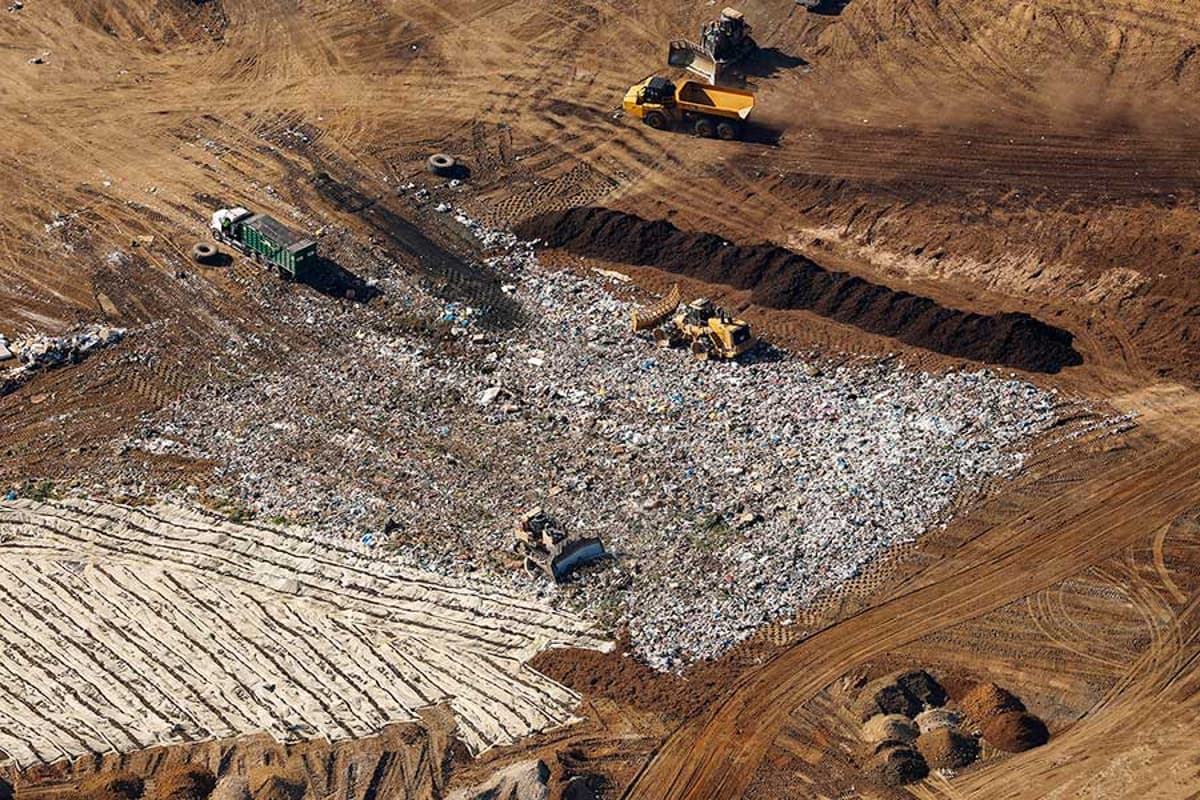
Fast‑forward to today, and the scale of plastic waste is staggering. With a global population of 8.2 billion, daily discards total 1.5 billion plastic cups, 250 million pounds of clothing, and millions of tires, contributing to more than 50% of worldwide carbon emissions. The cumulative effect is a projected oceanic plastic mass that will eclipse the total biomass of fish by 2050, threatening marine food webs and prompting urgent calls for mitigation. These figures underscore the environmental cost of a throwaway culture and highlight the urgency of systemic change.
For businesses, the implications are twofold: risk and opportunity. Governments are tightening bans on single‑use items and imposing extended producer responsibility fees, while investors increasingly favor companies with credible circular‑economy strategies. Companies that innovate in recyclable design, invest in advanced sorting technologies, or develop bio‑based alternatives can not only reduce compliance costs but also capture emerging market demand for sustainable products. In this evolving landscape, aligning supply chains with environmental stewardship is becoming a competitive imperative rather than a charitable add‑on.
The Throwaway Planet
Comments
Want to join the conversation?
Loading comments...